
University of Problems
Play University of Problems
University of Problems Screenshots

















University of Problems review
Master every choice, unlock all scenes, and maximize your college experience in this visual novel
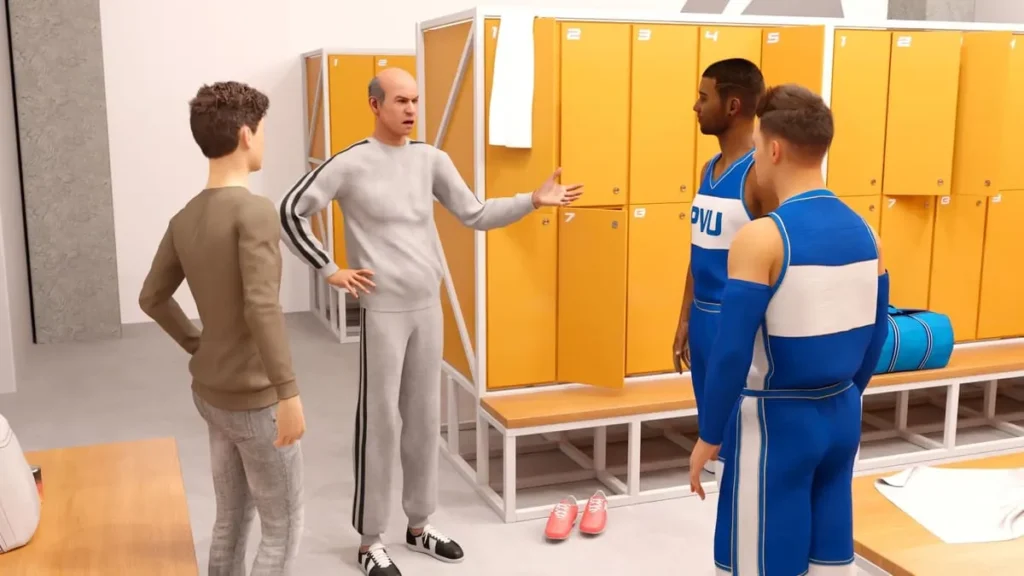
University of Problems is a choice-based visual novel that puts you in the role of a new college student navigating relationships, decisions, and unforgettable moments. Released in 2021 by Dream Now, this game has earned praise for its stunning graphics, realistic character models, and engaging storytelling that avoids unnecessary filler. Unlike traditional linear narratives, your decisions shape multiple branching storylines simultaneously, allowing you to develop relationships with various characters based on your choices. Whether you’re looking to understand the game mechanics, unlock specific scenes, or navigate complex relationship dynamics, this comprehensive guide covers everything you need to know about maximizing your University of Problems experience.
Understanding Game Mechanics and Relationship Systems
Ever feel like your college experience is just a series of predictable lectures and cafeteria food? 😴 Well, in University of Problems, your virtual university life is anything but! This choice-based visual novel gameplay hands you the reins to a wild, unpredictable story where every decision you make ripples through your entire academic (and romantic) career. Forget passive storytelling; here, you are the author, and your stats are your pen. 🖊️
Mastering this game isn’t about finding a single “right” answer. It’s about understanding a deep, interlocking system of stats, relationships, and narrative branches. One wrong (or brilliantly mischievous) move in Week 1 can lock you out of an entire character’s storyline by Week 10! 🚫 But don’t worry—that’s where this guide comes in. Let’s break down the core University of Problems game mechanics so you can stop worrying about missing out and start crafting your perfect, or perfectly chaotic, campus saga.
How Choice-Based Gameplay Works
At its heart, University of Problems is a masterclass in interactive narrative. Every conversation, every flirtatious glance, and even every seemingly innocent decision is a branch in the road. The dialogue choices and consequences are immediate and far-reaching. You’re not just picking what to say; you’re actively shaping your character’s personality, relationships, and the very order of events you’ll experience.
Think of it like this: in my first playthrough, I decided to play it cool with Roxy during an early library encounter. I chose polite, friendly options. What happened? Our relationship developed slowly, through study sessions and casual hangouts. On my second run, dripping with false confidence, I went for bold, flirty lines from the get-go. The game responded! 😏 That same library scene opened a completely different dialogue tree, leading to an invitation to a party that simply didn’t exist in my “friendly” playthrough. This is the essence of choice-based visual novel gameplay—the world literally reshapes itself around your decisions.
The game’s engine is constantly tracking your choices behind the scenes. It’s not just about what you say to someone, but also what you do about someone else. Agreeing to help one character might mean blowing off another, which that second character will remember and bring up later, often at the most inconvenient time! 🙈 This creates a fantastically dynamic and reactive world. The famous phone call mechanics are a perfect example. Your phone will ring based on who likes you enough (or is mad enough at you) to call, interrupting whatever you’re doing to offer new opportunities, advance a plotline, or potentially throw a wrench in your carefully laid plans with someone else.
Pro Tip: There is rarely a “skip dialogue” option for a reason. Pay attention! A throwaway line about a character’s hobby could be the key to a special scene three chapters later.
Character Relationship Tracking and Stats
This is where the magic—and the math—really happens. 🧙♂️ The relationship stat system in University of Problems is your invisible report card. It’s a complex web of numerical values that determines your eligibility for every special moment in the game. Ignore these stats, and you’ll hit invisible walls. Understand them, and you hold the key to the kingdom.
There are two primary types of stats: Global Stats and Character-Specific Love Points.
- Global Stats (Like LUST and STRENGTH): These define your protagonist’s overall traits. LUST isn’t just about being forward; it’s a measure of your character’s confidence and willingness to engage in risqué situations. Many dialogue choices and consequences are directly gated by these stats. You might see a tantalizing option in a conversation, but it’s greyed out because your LUST stat isn’t high enough. Similarly, STRENGTH might be needed for certain physical activities or to stand up to another character.
- Character-Specific Love Points (ROXY LOVE, KIM, CAROL, LEXI): This is the bread and butter of character relationship tracking. Every major character has their own hidden “love” meter. Every positive interaction—choosing supportive dialogue, giving them gifts, spending time with them—adds points to their meter. Negative interactions or blowing them off decreases it.
The real genius is how these systems interact. To unlock a specific, intimate scene with Roxy, you might need BOTH a high ROXY LOVE score AND a global LUST stat above a certain number. This ensures that relationships progress in a believable way; you can’t just be a sweet talker, you also have to have the personal boldness to take things to the next level. These requirements are the stat thresholds and unlocks that govern all premium content.
To keep it all straight, here’s a handy reference. Think of this as your cheat sheet to campus romance:
| Character | Primary Stat (Love Points) | Key Global Stat Synergies | What It Unlocks (Examples) |
|---|---|---|---|
| Roxy | ROXY LOVE | LUST, STRENGTH | Private parties, gym sessions, deeper emotional storylines. |
| Kim | KIM | LUST | Late-night adventures, secretive encounters, alternative event paths. |
| Carol | CAROL | INTELLIGENCE (implied) | Study dates, library scenes, intellectually intimate moments. |
| Lexi | LEXI | LUST, CONFIDENCE | Bold social scenarios, club-related events, competitive storylines. |
🎯 Remember, these stats are fluid. You can max out multiple characters’ love points simultaneously (hello, chaotic playthrough!), but your actions with one will often affect your opportunities with another. The game’s character relationship tracking is always watching.
Multiple Storylines and Branching Paths
Now, let’s see the big picture. All those individual choices and stat points combine to create the game’s true masterpiece: its branching storylines and paths. We’re not talking about a story that diverges into “Good Ending” and “Bad Ending.” We’re talking about a narrative tree so lush that two players might share almost no identical scenes after the first few hours. 🌳
The game’s timeline is not linear. It’s a collection of events and scenes that become available only when you meet the right conditions. Developing relationships with multiple characters doesn’t just give you more scenes; it literally creates different event sequences. For instance, if you’re deeply involved with Roxy, you might trigger a “Weekend Getaway” event. If you’re closer to Kim, that same weekend slot might be filled with a “City Adventure” event instead. The main story beats adapt to who you are as a person in the game world.
This is where the long-term dialogue choices and consequences truly shine. Let’s walk through a concrete example from my own experience.
The Early Choice: In the first week, Kim approaches you with a somewhat risky proposition—to help her play a prank on a frat. The game gives you a clear “Accept” or “Refuse” choice.
-
Path A (You Refuse): You play it safe. Kim’s KIM stat takes a small hit. She thinks you’re a bit boring. Because of this, her phone call event in Week 3 where she asks for a bigger favor never triggers. Without that second event, you never build the trust needed for her late-night storyline in Week 6. An entire chain of events, including a major plot revelation about her character, is completely absent from your game. Your branching storylines and paths have now permanently shifted away from Kim’s secrets.
-
Path B (You Accept): You embrace the chaos! Your LUST stat gets a bump, and Kim’s KIM love points increase. This unlocks her special phone call in Week 3. Helping her again then raises your stats further, making you eligible for the Week 6 event. This not only unlocks intimate scenes but also reveals crucial backstory that makes you understand her actions later in the game. Furthermore, being seen with Kim during the prank might lower your ROXY LOVE slightly if Roxy hears about it from someone else, demonstrating how character relationship tracking weaves a complex social web.
This example shows how stat thresholds and unlocks work in a narrative chain. A single early dialogue choices and consequences point created a domino effect, altering the availability and order of events many “weeks” later. The game is full of these intricate cause-and-effect chains, making each playthrough a unique discovery.
Mastering the University of Problems game mechanics is about embracing this complexity. Don’t be afraid to save often and experiment! See what happens if you focus on one character entirely, or try to balance them all. Watch how the phone calls change based on who you’ve recently impressed or annoyed. Pay attention to those stat thresholds and unlocks—they’re not barriers, they’re guideposts showing you what kind of story you’re telling. Your ultimate college experience is waiting, with all its messy, beautiful, and problematic branching storylines and paths ready for you to explore. Now go out there and make some unforgettable (and possibly regrettable) choices! 🎓✨
University of Problems stands out as a well-crafted visual novel that rewards player engagement through meaningful choices and interconnected storylines. By understanding the relationship stat system, character dynamics, and how your decisions branch the narrative, you can craft a personalized college experience that resonates with your playstyle. The game’s strength lies in its ability to support multiple simultaneous relationships while maintaining narrative coherence, allowing for vastly different experiences across playthroughs. Whether you’re pursuing a specific character’s storyline, attempting to unlock all available content, or simply enjoying the branching narrative, the mechanics reward both careful planning and experimental exploration. Take time to experiment with different choices, pay attention to stat thresholds, and don’t hesitate to replay sections to experience alternative paths. The combination of stunning visuals, engaging character writing, and consequence-driven gameplay makes University of Problems a memorable experience that encourages multiple playthroughs to fully appreciate its depth.