
The Theater of Sinners
Play The Theater of Sinners
The Theater of Sinners Screenshots
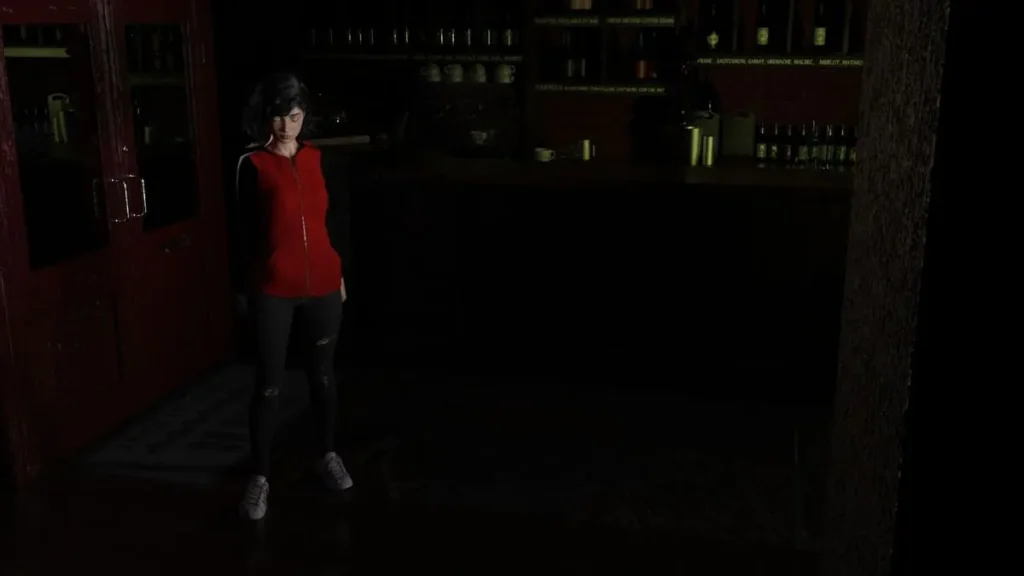
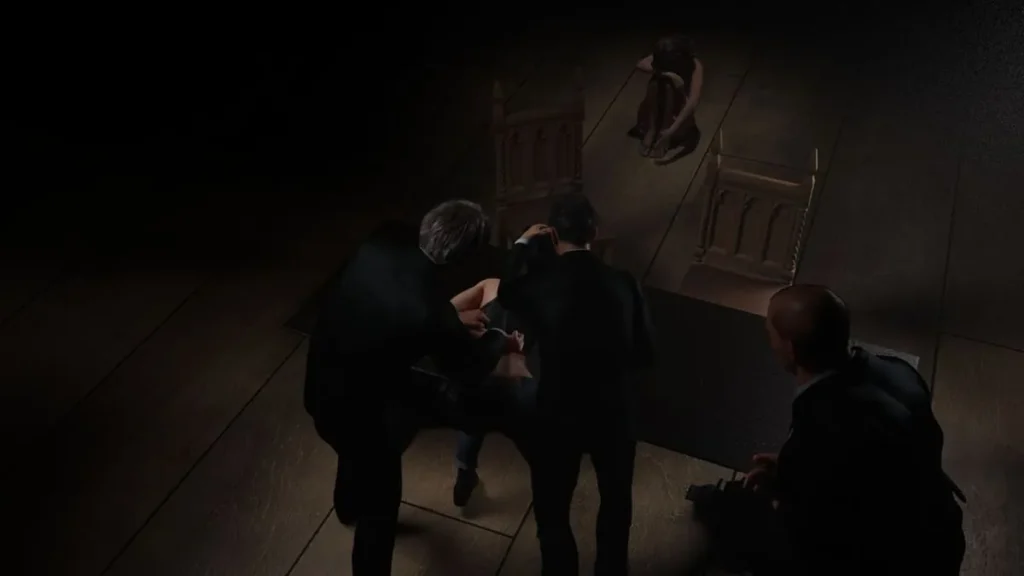
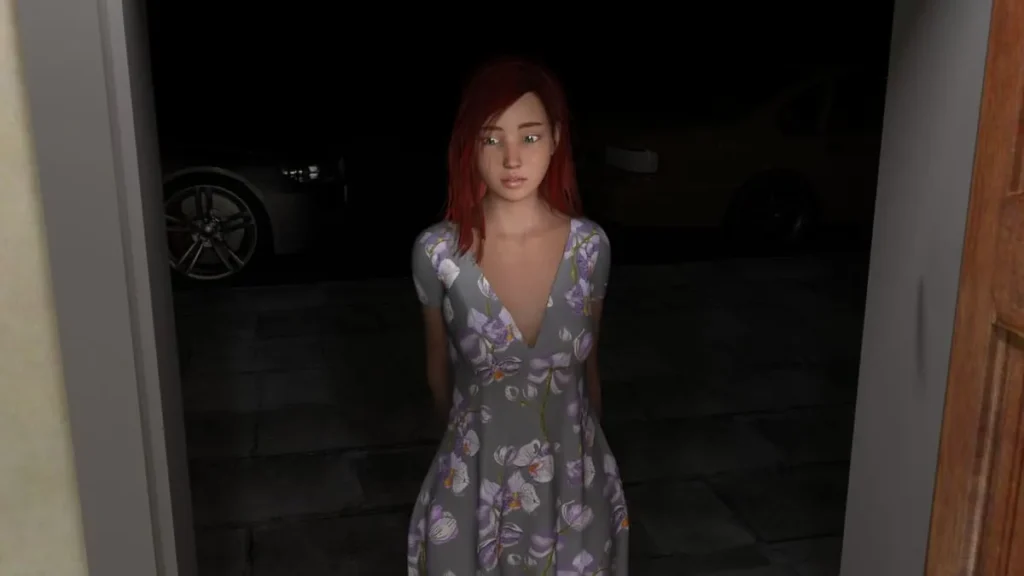
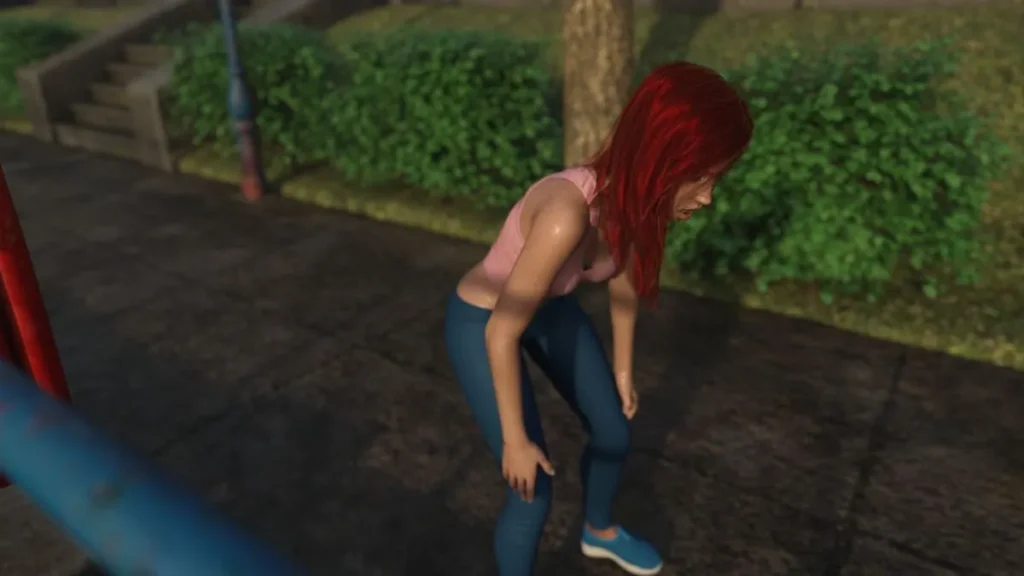


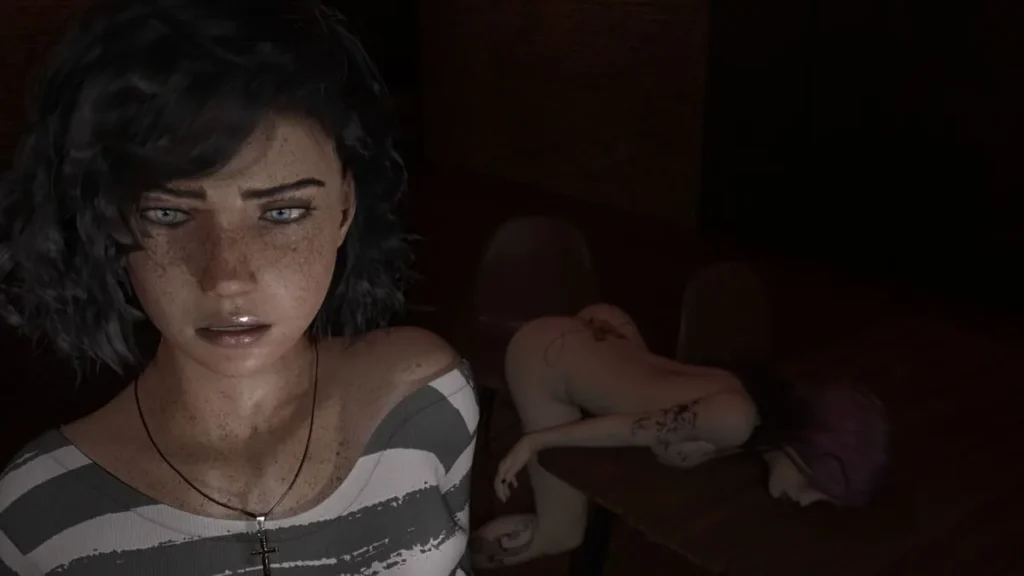



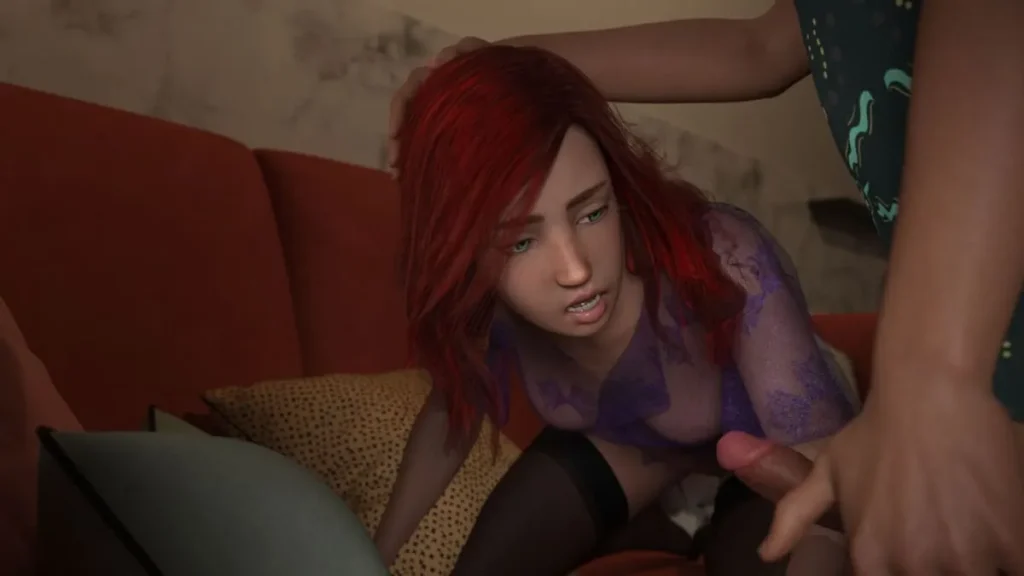
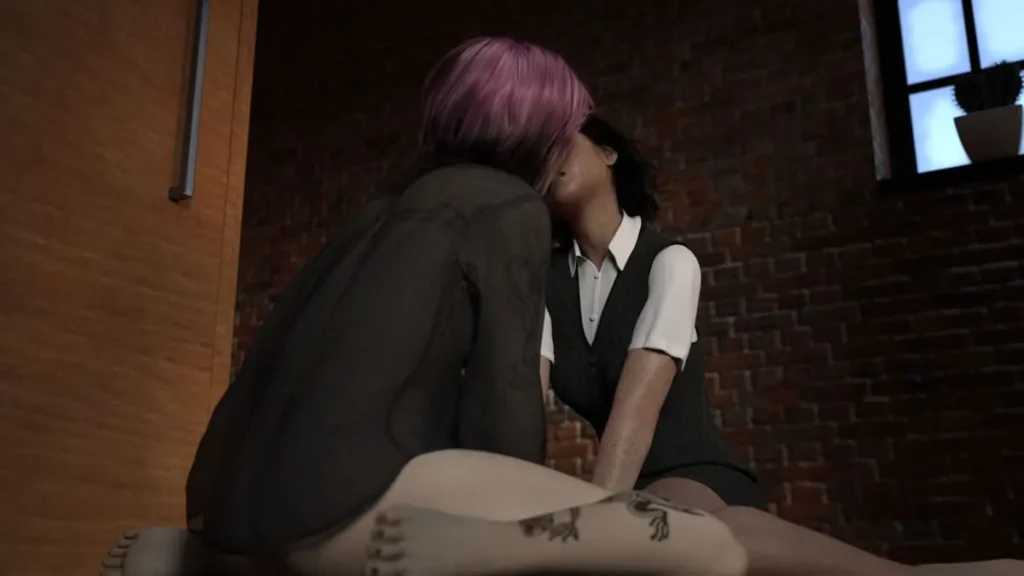
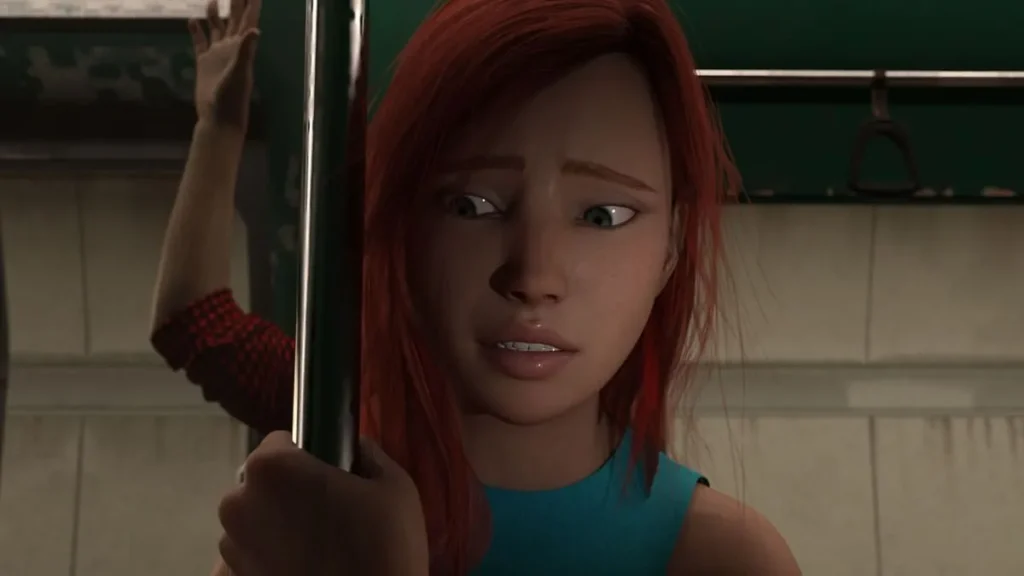


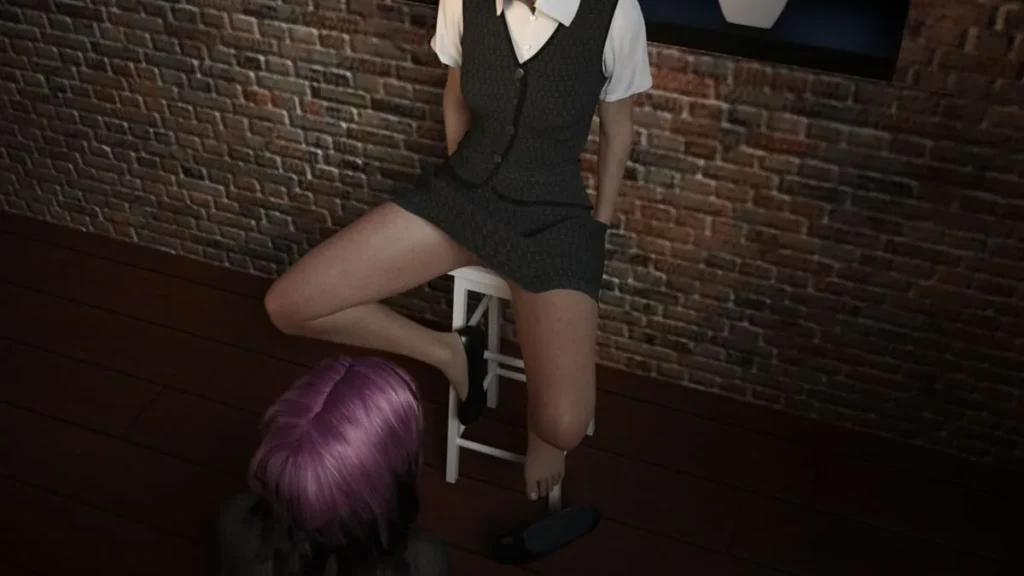
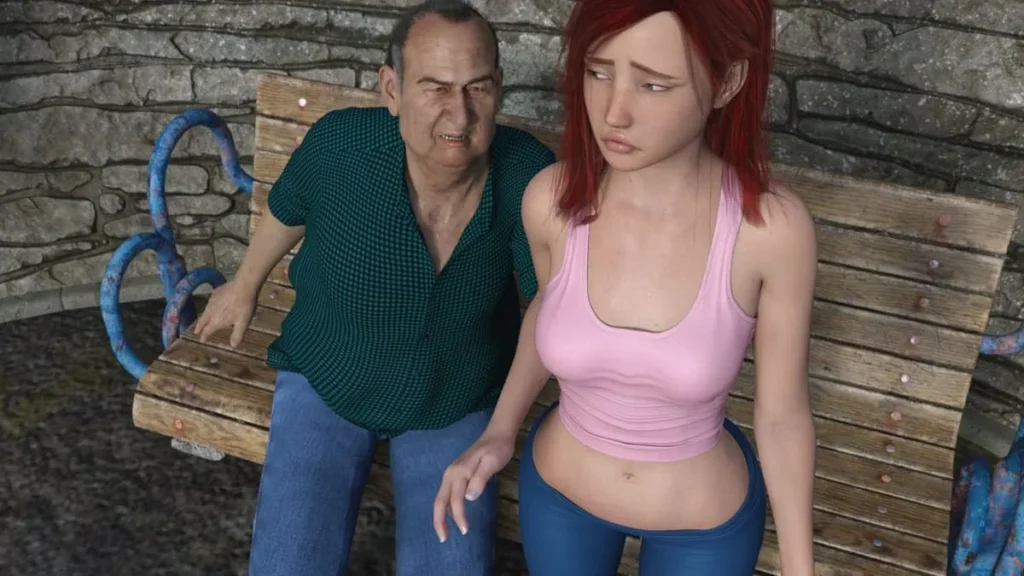
The Theater of Sinners review
An in-depth look at the story, mechanics, choices, and player experience
The Theater of Sinners is a decision-driven Ren’Py visual novel that blends psychological horror, dark romance, and adult themes to tell interleaved stories of damaged characters. In this guide I walk through the game’s premise, mechanics, major characters, and decision paths, share personal impressions from playing, and offer practical tips for navigating its branching narratives. If you’re curious about how the title handles tough themes and player agency, this article will prepare you to approach the game informed and intentional.
Story and Themes in The Theater of Sinners
Strap in, because the story of The Theater of Sinners is not your typical visual novel fare. It’s a raw, psychological deep-dive that uses its nonlinear narrative choices to construct a haunting mosaic of trauma and fragile humanity. Built in the powerful dark visual novel Ren’Py engine, this game doesn’t just tell you a story—it makes you complicit in its unfolding, forcing you to navigate a labyrinth of pain where every decision carves a new path through the darkness. If you’re looking for a light-hearted romance or a simple power fantasy, you won’t find it here. Instead, prepare for an unflinching exploration of some of life’s harshest realities. 🎭
Let’s pull back the curtain on this intense experience, starting with the foundation of it all.
What is the central premise?
At its core, The Theater of Sinners story is about the aftermath. It follows a fractured ensemble of protagonists, each bound together by shared experiences of profound suffering. The game’s central metaphor is the “theater” itself—a space where roles are performed, masks are worn, and private agonies are put on display, often against a person’s will. The narrative structure brilliantly mirrors this theme; you won’t experience the tale in a straight line.
Instead, the nonlinear narrative choices present the story as a series of interleaved scenes and visceral flashbacks. You might be guiding one character through a present-day confrontation, only to be suddenly thrust into another’s traumatic past. This isn’t just for artistic effect; it’s crucial for understanding. You piece together the full picture of what these people have endured—and who inflicted it—in the same broken way they themselves remember it: in fragments, echoes, and overwhelming emotional surges.
Your agency comes from stats and dialogue choices that influence relationships, mental states, and ultimately, the branching endings. Will you encourage a character to confront their abuser, or help them build a fragile peace through avoidance? The game tracks your decisions meticulously, ensuring that the The Theater of Sinners story you experience is uniquely shaped by your instincts, for better or worse.
Who are the main characters and their arcs?
The soul of this experience lies with its deeply flawed, beautifully rendered cast. Understanding The Theater of Sinners characters is key to navigating their world. They are not archetypes; they are survivors, often carrying the scars of their past in damaging ways. Player choices directly influence whether these arcs trend toward healing, stagnation, or further breakdown.
Here’s a closer look at the primary protagonists you will guide:
| Character | Backstory & Conflict | How Choices Shape Them |
|---|---|---|
| Kaelen | A once-vibrant artist whose spirit was systematically broken by a manipulative mentor. He struggles with severe anxiety, self-doubt, and the loss of his creative voice, believing his worth is tied solely to his usefulness to others. | Choices can either reinforce his subservience or gently challenge his negative self-image. Encouraging small acts of independence or confronting past figures can lead to a slow reclamation of his identity. |
| Elara | Grew up in a rigid, puritanical household where love was conditional on perfection. She internalized a deep sense of shame and now battles with compulsive behaviors, viewing any desire or mistake as a moral failure. | You can align with her harsh inner critic or offer consistent, non-judgmental support. Your responses to her episodes of shame critically affect her ability to practice self-compassion and break the cycle of punishment. |
| Ryen | Uses a facade of cynicism and aggression to protect himself from a childhood of neglect and betrayal. He pushes people away preemptively, equating vulnerability with inevitable pain and loss of control. | Deciding to tolerate his prickly exterior or call his bluffs can open a path to trust. Choices that respect his autonomy while demonstrating reliability are key to him learning that connection doesn’t always mean domination. |
| Mira | Survivor of a coercive, isolating relationship that framed abuse as devotion. She is disentangling her sense of love from possession and control, grappling with guilt for having loved her abuser and for wanting to leave. | Your dialogue options can either validate her complex, conflicting emotions or simplistically label her experiences. Helping her parse “care” from “control” is central to her arc toward understanding healthy boundaries. |
“This narrative explores complex, mature, and often disturbing themes including psychological manipulation and emotional trauma. It is intended for an adult audience capable of engaging with challenging subject matter. Discretion is strongly advised.” — Developer’s Note
I remember one scene with Elara that absolutely gutted me. 🥀 It was a simple flashback: she, as a child, had spilled ink on an important document. Her father’s reaction wasn’t loud anger, but a cold, silent disappointment followed by the methodical cleaning of the mess while she stood frozen. The game then snapped back to the present, where Elara had just made a minor mistake in a group task. The nonlinear narrative choices presented me with options: I could have the protagonist sigh in frustration, offer a quick “it’s fine,” or truly pause and say, “It’s just a spill. It doesn’t change your worth.”
Choosing that last option triggered a small, silent animation of Elara’s shoulders relaxing just a fraction. No grand speech, no magical fix—just a moment where one person’s reaction didn’t mirror the trauma. It was a powerful illustration of how The Theater of Sinners blends relentless narrative tension with delicate character development. The healing, when it comes, is in these microscopic, choice-driven moments.
Which themes and tones should players expect?
Brace yourself. The game themes abuse humiliation are not narrative set-dressing; they are the very fabric of the world and the core of the characters’ psychological reality. This is a dark visual novel Ren’Py project that earns its descriptor, presenting an emotional landscape that is consistently heavy, psychologically intense, and morally gray. Here’s what you should prepare for:
- Abuse, Recovery, and Complex Trauma: The story meticulously explores different forms of psychological and emotional harm—gaslighting, neglect, verbal degradation, coercive control. Its focus is less on the act itself and more on the lingering humiliation, the shattered self-esteem, and the arduous, non-linear path of recovery. Healing is never guaranteed and is portrayed as a daily struggle.
- Power Dynamics and Consent: Every relationship, past and present, is a potential power grid. The game themes abuse humiliation are deeply tied to the exploitation of power imbalances. The narrative also delves into the complexity of consent in compromised states—how can it be freely given when someone feels they have no other option, or when they’ve been taught their compliance is their value?
- Psychological Horror & Distorted Romance: The horror here is internal. It’s the horror of your own thoughts, the triggers that ambush you, and the way past trauma distorts present relationships. Some routes explore distorted romance, where characters might mistake dependency, obsession, or the re-enactment of harmful dynamics for love. These narratives are presented not as ideals, but as tragic pitfalls on the road to healing.
- Moral Ambiguity: You will rarely have a purely “good” or “evil” choice. Often, you’re choosing between two difficult, flawed responses. Should you push a character toward a painful truth now for potential long-term gain, or allow them a comforting illusion to survive today? The game refuses to judge you explicitly, making the weight of your decisions feel entirely your own.
Crucial Content Advisory: 🚨 Given the intense game themes abuse humiliation, this experience can be profoundly triggering. Scenes depict psychological breakdowns, panic attacks, self-loathing, and emotional manipulation in stark detail. Please heed the developer’s warnings. Use discretion, check community guides for specific content, and prioritize your well-being. It’s perfectly valid to step away or choose not to engage.
Understanding this thematic core is not just academic; it’s your essential guide for approaching every single choice. When you face a dialogue option in The Theater of Sinners, you’re not just picking what to say—you’re deciding which therapeutic principle to intuitively follow, which trauma response to validate or challenge, and what kind of emotional environment you want to create for these wounded characters. Role-playing isn’t about being a hero; it’s about attempting to be a humane presence in a deeply inhumane situation. That’s the raw, compelling heart of The Theater of Sinners story, and why its nonlinear narrative choices carry such immense, unforgettable weight. 🔗
The Theater of Sinners is a provocative, choice-driven visual novel that asks players to engage with dark themes and difficult moral decisions. Understanding the story’s structure, how stats and choices unlock branches, and where to safely obtain the game will help you shape the experience you want—whether you explore its darker arcs or steer characters toward different outcomes. Play intentionally: save often, respect your own limits, and consider supporting the developer if the game resonates with you. If you want, try the guided checklist in the gameplay chapter on your next session to map choices and discover alternate endings.