Peeping Dorm Manager Screenshots





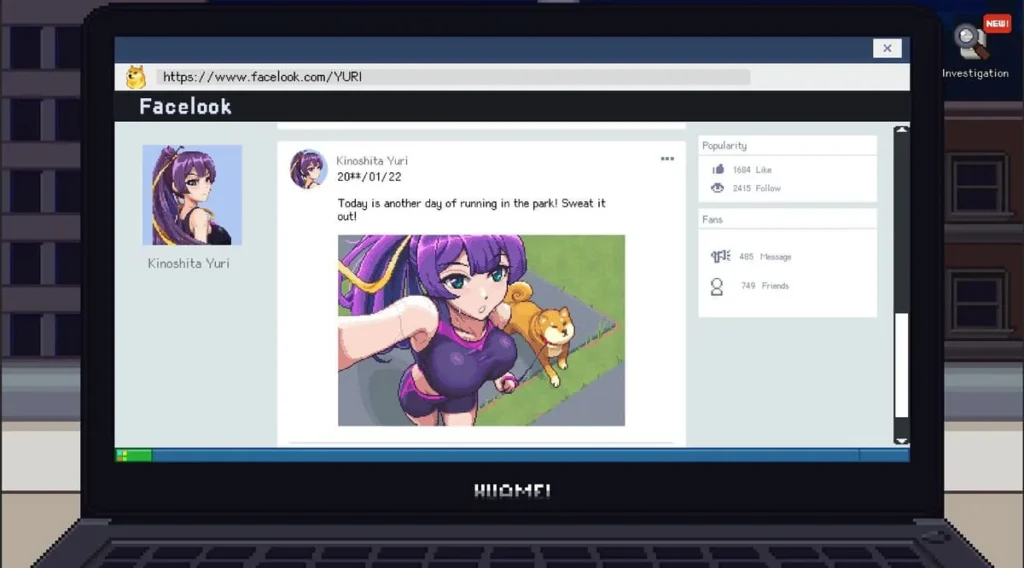
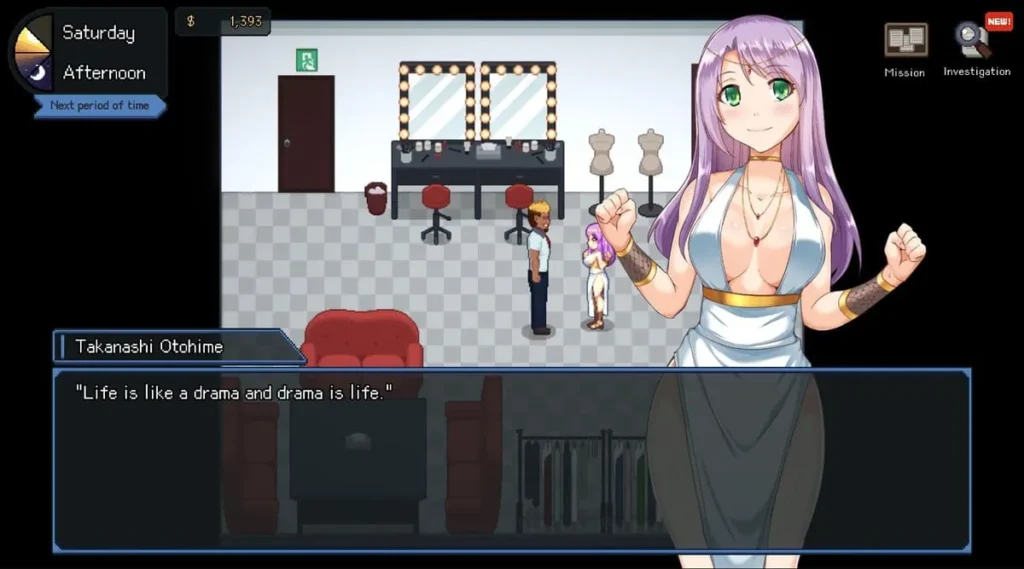
Peeping Dorm Manager review
Explore gameplay mechanics, features, and what makes this unique simulation experience stand out
Peeping Dorm Manager is a voyeuristic role-playing puzzle game that puts players in the role of a female dormitory manager. Your primary responsibilities involve maintaining and cleaning the dormitory while navigating complex character interactions and puzzle-solving elements. This unique simulation combines management mechanics with narrative-driven gameplay, offering an experience that blends strategy, puzzle-solving, and character engagement. Whether you’re a fan of simulation games or looking for something unconventional, understanding what this game offers is essential before diving in.
Understanding Peeping Dorm Manager: Core Gameplay & Mechanics
Ever booted up a game expecting one thing and getting something completely, wonderfully different? 🤔 That was my exact experience with Peeping Dorm Manager. I went in thinking it was a straightforward management sim, but within an hour, I was hooked on a clever blend of daily chores, brain-teasing puzzles, and a strangely compelling narrative driven by watching virtual lives unfold. It’s this unique fusion that makes the Peeping Dorm Manager gameplay so captivating.
At its heart, this is a dormitory management simulation, but it cleverly uses that framework as a stage for observation, deduction, and relationship-building. You’re not just changing lightbulbs and fixing leaks (though you’ll do plenty of that!). You’re a silent guardian, learning the routines and secrets of your residents to solve their problems, often before they even know they have them. Let’s dive into the mechanics that make this such a standout experience.
What Is Peeping Dorm Manager and How Does It Play?
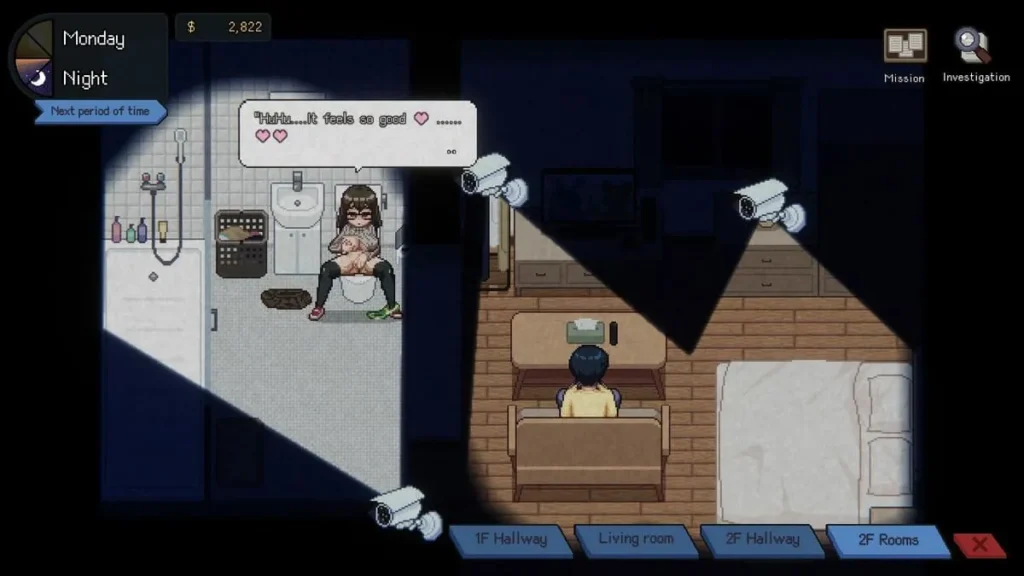
Imagine you’re the new superintendent of a bustling university dorm. Your job is to keep the place running smoothly, but your primary tool is a network of maintenance tunnels and peepholes. 👁️🗨️ No, it’s not as seedy as it sounds—it’s a genius gameplay device. You observe students in their private moments not for titillation, but for information. Is a student crying at their desk every night? Is another never sleeping, obsessively studying? Your role is to piece together these clues.
The core loop is brilliantly simple and addictive:
1. Observe residents through your peepholes during different times of the day.
2. Identify issues based on their behavior, dialogues, and room conditions.
3. Manage the dorm by fulfilling requests, repairing items, and purchasing upgrades.
4. Intervene by solving environmental puzzles or making choices that alter their stories.
This isn’t a game about direct conversation. It’s about silent stewardship. The character interaction system is passive but profound; you learn about them by watching, and you help them by manipulating their environment. It turns everyday dorm life into a compelling detective story. A successful Peeping Dorm Manager walkthrough isn’t just about completing tasks; it’s about understanding the rhythms of each character’s life.
To give you a clear idea of the scope, here’s a breakdown of your primary management duties:
| Management Task | Primary Objective | Typical Rewards |
|---|---|---|
| Room Repairs & Maintenance | Fix broken furniture, leaky faucets, and electrical issues reported by students or observed directly. | Prevented complaints, student happiness increase, small cash payment. |
| Dorm Facility Upgrades | Use earned funds to improve shared spaces like the lounge, kitchen, or bathrooms. | Unlocks new student behaviors, reduces frequency of certain breakdowns, attracts new resident types. |
| Hygiene & Cleanliness Monitoring | Ensure trash is collected and common areas are clean to avoid pest infestations or health penalties. | Maintains overall dorm “Health” score, prevents negative events. |
| Stealth & Observation Management | Time your movements in the tunnel network to avoid being detected by residents, which causes panic. | Successful, uninterrupted observation periods crucial for gathering clues. |
Key Gameplay Mechanics and Management Systems
The management layer of this dormitory management simulation is deceptively deep. 🏢 You start with a basic, rundown dorm and a handful of residents. Your interface is clean and intuitive, usually split between a main observation screen, a map of the tunnel network, and a management menu for your tasks and finances.
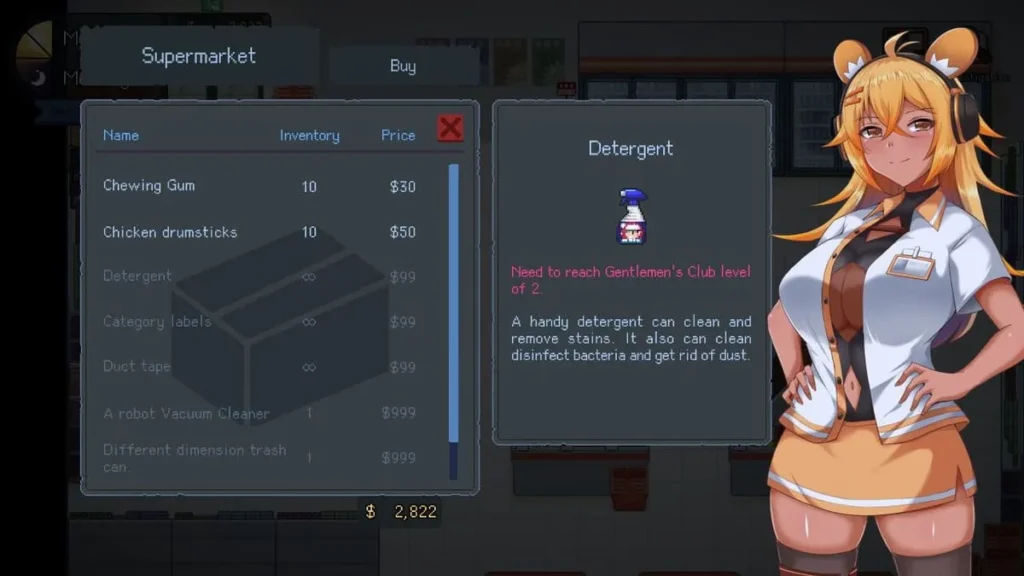
The financial system is straightforward: you earn money by completing repair jobs and advancing the stories of your residents. This cash is your lifeblood for progression. You’ll spend it on:
* Tool Upgrades: Better screwdrivers, wrenches, and later, high-tech gadgets that let you interact with the environment in new ways.
* Dorm Improvements: A better lounge might encourage students to socialize, revealing new interactions. A kitchen upgrade could lead to a character discovering a love for cooking.
* Tunnel Expansions: Some areas of the dorm are initially locked. Paying to open new tunnel sections is essential to accessing new residents and storylines.
Where the Peeping Dorm Manager gameplay truly shines is in its passive storytelling. You don’t have quest logs that say “Help Anna with her anxiety.” Instead, you notice Anna’s room is unusually dark, she paces at night, and she has torn-up paper littering her floor. You deduce she’s stressed about an exam. The “puzzle” is figuring out how to help. Maybe you buy a better desk lamp for her room type. Perhaps you ensure the noisy student next door is out when she studies. The game doesn’t hold your hand; it trusts you to connect the dots. 🧩
This is where the much-discussed voyeuristic element is fully integrated as a mechanic, not a gimmick. The peepholes are your data collection points. The feeling is less about intrusion and more about the quiet satisfaction of being a helpful ghost, solving problems from behind the walls. The role-playing game features come from the identity you craft for yourself as the manager—are you a minimalist who does just enough, or an angel investor in these students’ wellbeing?
Puzzle-Solving Elements and Character Interactions
This is where all the threads come together. The puzzle-solving mechanics are environmental and deductive. They are seamlessly woven into the character interaction system. You’re not moving blocks on a grid; you’re altering a living ecosystem to produce a desired outcome.
Let’s walk through a detailed example from my own playthrough. Early on, I noticed two residents: “Leo,” a messy artist, and “Maya,” a neat-freak botanist. Their rooms were adjacent.
* Phase 1 – Observation: Leo’s trash can was always overflowing, and he often looked frustrated, kicking his trash. Maya was constantly annoyed, and her precious plants near the shared wall looked wilted.
* Phase 2 – Deduction: I needed to make Leo cleaner to improve Maya’s environment. A direct order wasn’t an option. I checked the upgrade menu and saw a “Recycling Bin” upgrade for artist-type rooms.
* Phase 3 – Intervention & Puzzle: I earned enough cash and bought the upgrade for Leo’s room. The next day, his behavior changed—he started using the bin. But Maya’s plants were still dying. I observed more closely and saw her room was too dark. The puzzle expanded: I needed to improve her lighting without entering her room.
* Phase 4 – Solution: Using my tunnel access, I found a control panel for the window blinds in her room section. Through a small peephole, I could see the mechanism was jammed. Using a timing-based mini-game (a simple click-when-the-meter-is-green puzzle), I repaired the blinds remotely, letting in sunlight.
* Phase 5 – Result: Within two in-game days, Maya’s plants flourished, her mood improved dramatically, and I was rewarded with a significant cash bonus and a new, cheerful animation for her character. Their story evolved because of my silent intervention.
This example shows how management, puzzles, and character arcs are one and the same. The puzzle-solving mechanics are the “how,” and the character interaction system is the “why.” Each resident has a web of such mini-stories, often interconnected. Helping one might inadvertently create a problem for another, presenting a delightful ethical and strategic challenge.
The game progression and difficulty scales beautifully with this. Early puzzles involve simple repairs and obvious cause-and-effect. Later, you’re managing chains of events: helping a homesick student might require you to first help a cook rediscover their passion to make a certain comfort food, which requires fixing the oven, which needs a part from a reclusive engineer resident you haven’t even met yet! 🔧 The difficulty isn’t in brutal failure states, but in the complexity of the relational web you must navigate.
For anyone looking for a Peeping Dorm Manager walkthrough, the best advice is to be patient and observant. Rush, and you’ll miss crucial clues. The joy is in the discovery. The role-playing game features are subtle—you role-play as the most dedicated, empathetic property manager ever. Your choices on who to help first, and how, shape the narrative of the dorm.
In conclusion, Peeping Dorm Manager stands out because it confidently blends genres into something fresh. Its gameplay is a thoughtful, engaging cycle of watch-learn-act. It’s a simulation about the quiet impact we can have on others, a puzzle game about human behavior, and a role-playing experience about building a community, one hidden intervention at a time. It proves that the most compelling stories aren’t always told through epic dialogue, but sometimes through a fixed leaky pipe and the grateful smile it brings.
Peeping Dorm Manager offers a distinctive gaming experience that combines dormitory management, puzzle-solving, and character-driven narrative in an unconventional package. The game’s unique approach to simulation gameplay, coupled with its focus on character relationships and story progression, creates an engaging experience for players seeking something different from mainstream titles. Whether you’re drawn to the management mechanics, the puzzle elements, or the narrative depth, this game delivers a comprehensive experience that rewards exploration and player engagement. If you’re considering diving into this title, understanding its core mechanics, character dynamics, and technical requirements will help you determine if it aligns with your gaming preferences. The active community and ongoing development suggest a game that continues to evolve and improve based on player feedback.