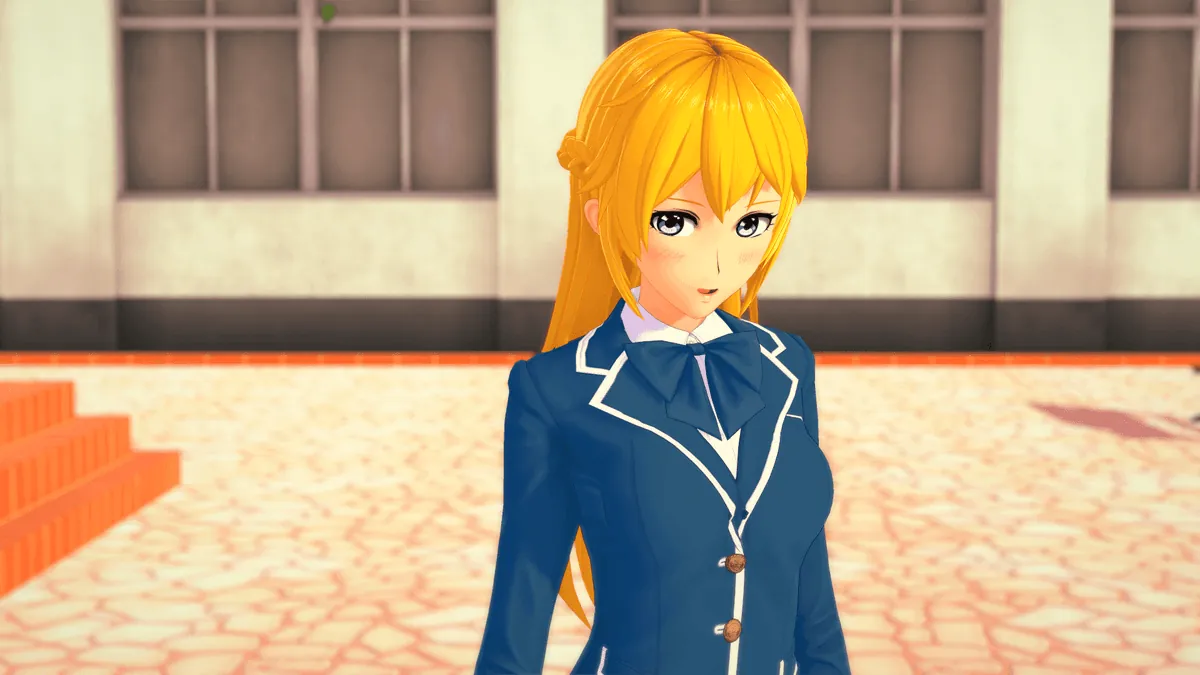
Happy Summer
Play Happy Summer
Happy Summer Screenshots
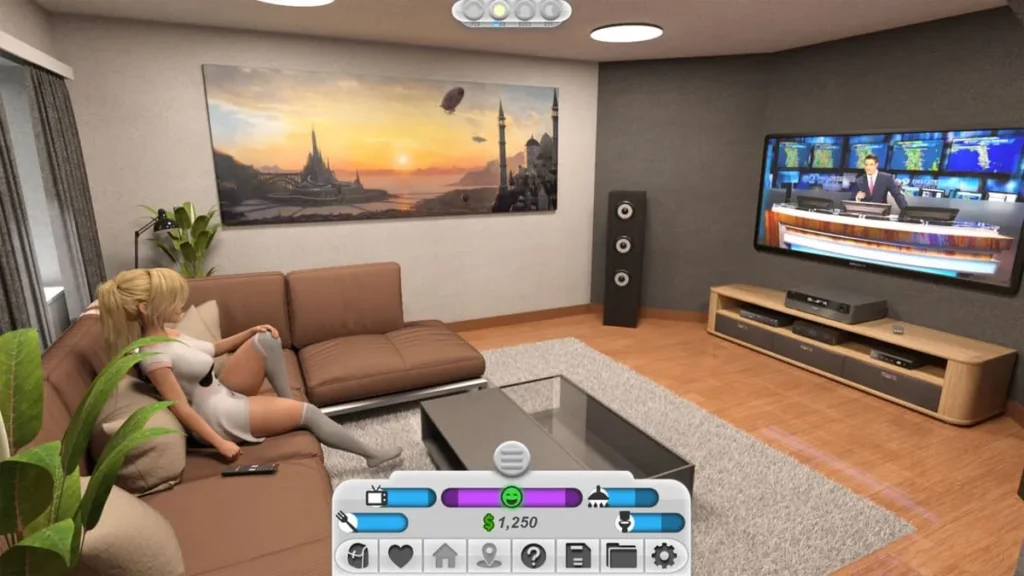
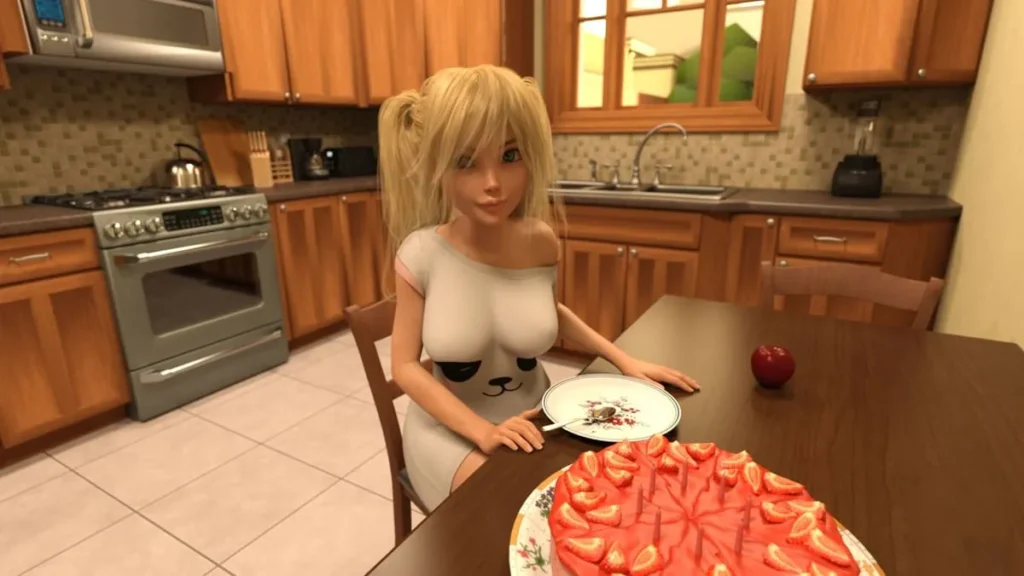
Happy Summer review
Explore story, characters, and smart play tips for Happy Summer
Happy Summer is a story-driven game that blends relaxed vacation vibes with character-focused storytelling and interactive choices. If you have ever wondered whether Happy Summer is worth downloading, how the narrative unfolds, or how to make smart decisions as you play, this guide is for you. We will walk through the game’s premise, structure, and mechanics, sharing personal impressions and practical tips drawn from real play sessions so you can decide if Happy Summer matches what you are looking for.
What Is Happy Summer and Why Do Players Enjoy It?
So, you’ve heard the name floating around and you’re wondering, what is Happy Summer? Is it just another game, or is it something more? Let me paint you a picture. Imagine the last day of school 🎒, that final bell ringing, and the entire, glorious, empty stretch of summer vacation laid out before you. No alarms, no homework, just endless possibility. That feeling—the sun-soaked, lazy-afternoon, ice-cream-dripping-down-your-hand feeling—is precisely what the Happy Summer game captures and turns into an interactive experience.
At its heart, Happy Summer is a narrative-focused visual novel. You step into the shoes of a character (often customizable) who is spending their summer break in a new or familiar town. The core idea is beautifully simple: live out those summer days. This isn’t about saving the world from a dragon; it’s about saving your cousin from a bad haircut or figuring out if your childhood friend has grown up in more ways than one. The Happy Summer story unfolds through daily life—waking up late, deciding how to spend your free time, and most importantly, choosing who to spend it with.
The structure is built around a calendar of summer days. Each day, you’re given the freedom to explore different locations—the bustling boardwalk 🎡, the quiet library, the sunny beach 🏖️, or the local cafe. Where you go determines who you meet and what conversations you’ll have. Every dialogue choice, no matter how small it seems, nudges your relationships forward, unlocking new events and slowly peeling back the layers of each character’s personal story. It’s a gameplay overview of connection, built one choice at a time.
Happy Summer Overview: Story, Setting, and Core Idea
The basic premise of the Happy Summer game is your anchor. You’re typically a visitor or a local kid with time to kill. Maybe you’re staying with relatives in a coastal town, or perhaps you’re reconnecting with old friends after a year apart. The setting is intentionally relatable—a slice-of-life paradise filled with locations that evoke nostalgia.
The Happy Summer story isn’t a single, rigid plotline. Instead, it’s a collection of intertwined character arcs that you discover based on where you focus your attention. There’s the aspiring artist who sketches at the pier, the sporty rival who’s always at the courts, the quiet bookworm hiding in the shade of the old oak tree. Your summer becomes the story of getting to know them. The core idea is agency within relaxation. You have total control over how you experience this vacation, but the goals are personal: build friendships, uncover secrets, and maybe even find a summer romance.
Think of it less like following a script and more like writing your own summer diary. The game provides the setting, the characters, and the prompts, but the memories you create are uniquely yours. From helping organize a chaotic town festival to sharing a heartfelt conversation under fireworks, the narrative weight comes from these accumulated, small moments. This visual novel style of storytelling is perfect for it, putting the writing and character development front and center.
How the Vacation Atmosphere Shapes the Happy Summer Experience
This is where the magic truly happens. The Happy Summer gameplay overview is fundamentally shaped by its vacation vibe, and this is the biggest reason players fall in love with it. The atmosphere isn’t just a backdrop; it’s the main character.
The pacing is deliberately slow, mirroring the stretch of a real summer day. There’s no rush. You’re encouraged to meander, to revisit the same spots and see how they—and the people in them—change from morning to evening, from sunny day to starlit night. This relaxed rhythm allows for a focus on small, everyday moments that other games skip over. The joy isn’t in a epic cutscene, but in the tenth conversation with a character where they finally drop their guard and tell you what they’re really worried about.
When I first played, the opening days felt exactly like arriving at a family reunion or a new town. You’re a bit adrift, just walking around, talking to everyone, and testing dialogue choices to see who reacts well to a joke versus a sincere question. The appeal isn’t in racing to an ending credit roll; it’s in the slow, satisfying build-up. It’s in the teasing banter that becomes a private joke, and the incremental story reveals that make you feel like you’ve earned a character’s trust.
The free schedule and lack of urgent “missions” mean you have all the time in the world for extra activities and side scenes. Did you notice the stray cat near the market? Go back every day with a different snack and see what happens. Heard about a hidden swimming spot? Spend an afternoon trying to find it. This casual exploration makes the world feel alive and full of secrets waiting for the curious player.
Pro Tip: Don’t try to “complete” a day quickly. The charm often hides in the routine. Visiting the same character at their usual hangout spot multiple times can trigger unique, sequential scenes that you’d miss if you were always chasing new faces.
So, why do players sink hours into this laid-back experience? The reasons are deceptively simple:
- The Relaxed Pacing: It’s a game you play to unwind, not to get pumped up. It’s the video game equivalent of a hammock and a good book.
- The Character Focus: You become deeply invested in these digital people. Their successes feel like your successes, and their problems become your summer projects.
- The Replayable Choices: Knowing that saying “I’ll help you study” instead of “Let’s go to the beach!” leads to a completely different path is irresistible. It begs you to play again.
Who Is Happy Summer Really For?
Let’s cut to the chase: is Happy Summer worth playing? The answer is a resounding yes, but with a clear understanding of what it is and isn’t. This isn’t a game for everyone, and that’s its strength. It knows exactly what it wants to be.
So, who is Happy Summer for? Primarily, it’s for the storytellers and the relationship-builders. If you’re the type of player who gets more satisfaction from navigating a complex emotional conversation than a complex combat combo, this is your beachfront property. It’s for those who love branching narratives and seeing how small choices butterfly-effect into different outcomes days later.
This Happy Summer game rewards patience, careful reading, and attention to detail. It’s for the player who notices that a character mentioned disliking loud noises, and then chooses the quiet picnic option over the noisy arcade later on. There’s no combat, no platforming, and no intricate skill trees—just you, the dialogue, and your decisions.
The replay value is a huge part of the package. A single playthrough will only show you a slice of the possible Happy Summer story. Trying different choices, focusing on different characters, and exploring new locations in each run is where you uncover the full tapestry of the game’s world. You might discover a hidden argument between two friends you never saw before, or unlock a tender scene that completely changes your view of a character.
It’s perfect for players who enjoy:
* Visual novel style games with strong writing.
* Character-driven, slice-of-life anime or manga.
* Games that prioritize mood and atmosphere over action.
* Making choices that feel meaningful in a social context.
If you need constant adrenaline, fast-paced gameplay, or a clear-cut objective list, you might find the pace challenging. But if you’ve ever wanted to virtually experience the nostalgia and potential of a perfect summer, then Happy Summer is calling your name.
Your Happy Summer Questions, Answered
Is Happy Summer more story or gameplay?
It is almost entirely story-driven. The gameplay consists of making choices during exploration and dialogue. Think of it as directing a movie where you also play the lead role. The interactive elements are all in service of shaping the narrative and relationships, so the focus is overwhelmingly on the story.
How long does a typical playthrough of Happy Summer feel?
A single playthrough can feel like a leisurely week-long vacation. In real-time hours, it might take you several sittings, but the genius is that the in-game calendar and slow pace make it feel elongated and immersive—just like a real summer should. It’s a game best enjoyed a few in-game days at a time, letting the vacation atmosphere sink in.
Happy Summer is best approached as a slow, relaxing story that you settle into rather than rush through. When you understand that it is about living through a summer season with a small cast, making thoughtful choices, and watching relationships evolve over time, the experience becomes far more rewarding. If you enjoy narrative-focused games, taking your time with dialogue, and exploring different paths through repeat playthroughs, Happy Summer can be a satisfying way to spend a few evenings. Consider giving it a try with an open mind and a relaxed pace, and let the summer setting work its charm.