
Tales of Unity
Play Tales of Unity
Tales of Unity Screenshots

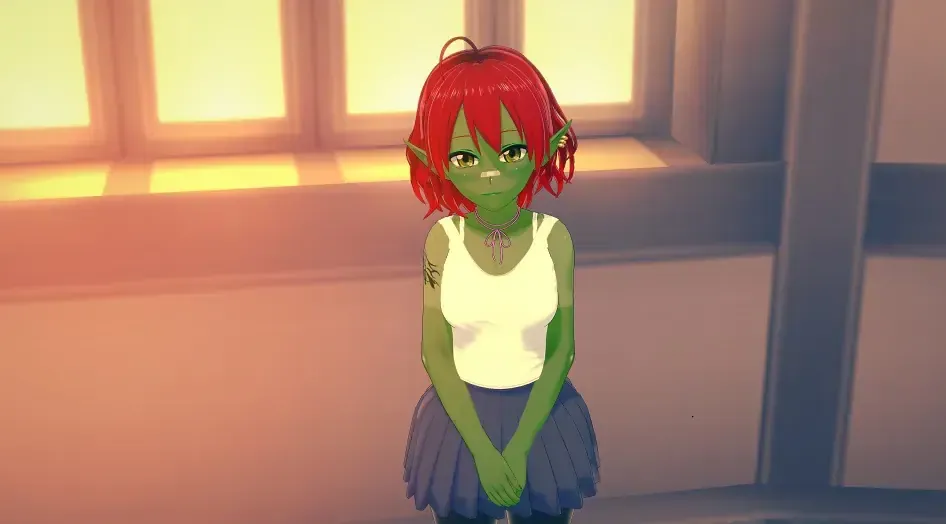
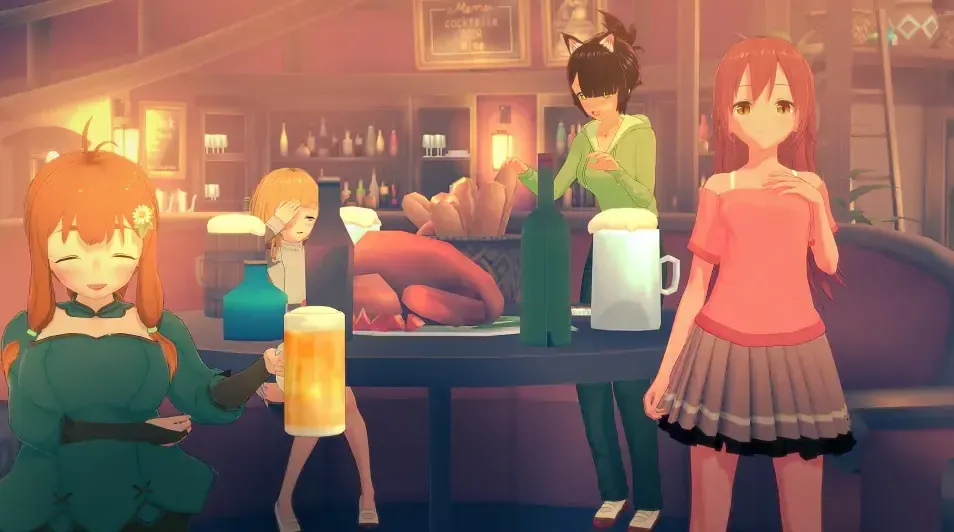
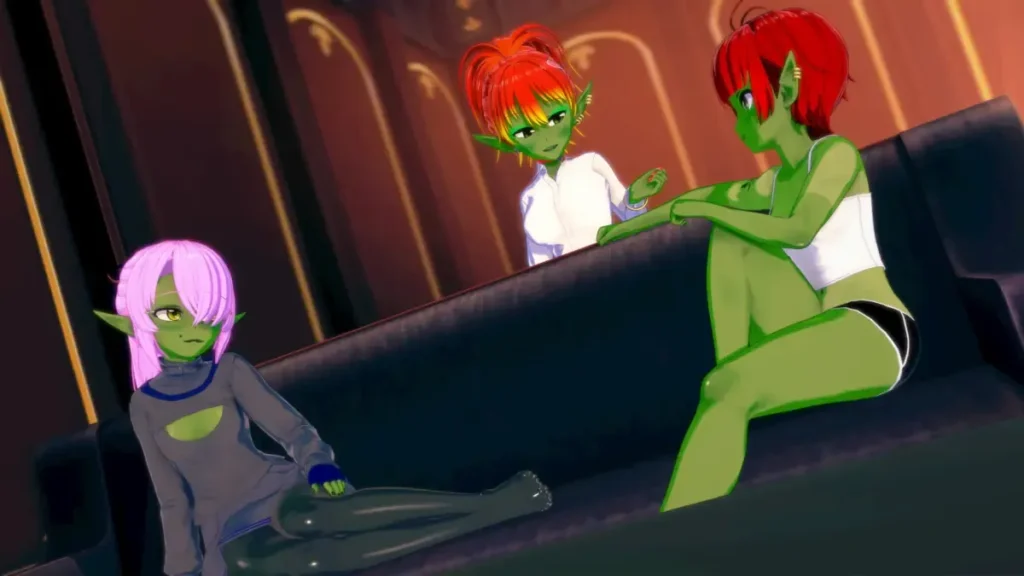
Tales of Unity review
An in-depth look at Tales of Unity, its story, gameplay and community reception
Tales of Unity is one of those adult-focused story games that people talk about long after they finish the last scene. From the outside it might look like just another indie title, but once you dive in, you quickly realize there is a surprising amount of world-building, character depth, and player choice packed into it. In this guide, I’ll walk you through what makes Tales of Unity stand out, how its choices shape both story and mature scenes, and what you can expect as a new player coming in for the first time.
What Is Tales of Unity and Why Do Players Talk About It?
So, you’ve heard people whispering about Tales of Unity in forums or seen some captivating art pop up on your feed, and you’re wondering what the buzz is all about. 🤔 Let me pull up a virtual chair and give you the real scoop. Think of this as that late-night chat where I explain why this game has been living rent-free in my head for weeks.
At its heart, Tales of Unity game is a beautifully crafted, story-driven experience that blends the depth of a narrative adventure with the intimate focus of a visual novel. It’s an indie gem that isn’t afraid to wear its heart on its sleeve—or explore more mature, complex relationships. You step into a rich, original fantasy world, but one that feels grounded and familiar, filled with political intrigue, magical societies, and very real, flawed people. The atmosphere is a masterful mix of the epic and the personal; you might be navigating the tense power structures of a noble court in one scene, and sharing a vulnerable, quiet moment in a cozy tavern the next.
Your role is as the protagonist, a character whose past is a blank slate for you to define through choices. Your typical motivation? Survival, discovery, and connection. You’re building a life and relationships in a world that can be as treacherous as it is beautiful. This is the core magic of the Tales of Unity gameplay: your decisions, from the seemingly trivial to the morally weighty, don’t just change a dialogue tree—they reshape your story, your alliances, and your heart.
Core premise and setting of Tales of Unity
Let’s break down what you’re actually getting into when you hit ‘New Game’. Forget sprawling open worlds with a thousand map markers; Tales of Unity is about depth, not breadth. It’s a choice based adult game that prioritizes narrative consequence above all else. The setting is a lush, high-fantasy realm where magic is real and political factions are constantly vying for power, but the lens is intensely personal. You’ll experience this world through conversations, explorations of beautifully illustrated locations, and making choices that carry real emotional weight.
The tone is a brilliant cocktail. One moment you’re laughing at a character’s sharp wit, and the next, you’re gut-punched by a revelation about their past or forced to make a decision with no clear “good” outcome. It’s this mix of light-hearted bonding and serious, dramatic conflict that makes the world feel alive. You’re not just reading a story; you’re living a life inside it.
General progression is organic. The opening hours are about finding your footing—meeting the key Tales of Unity characters, learning the rules of this new world, and establishing your initial bonds. As you invest time in these relationships and pursue story threads, you naturally unlock deeper arcs and more intimate scenes. Nothing feels gratuitous or rushed; it all flows from the story you’re co-authoring with your choices.
So, why are players so hooked? Here’s the short list:
* Story Depth: The Tales of Unity story has twists and turns that feel earned, not just shocking for shock’s sake.
* Character Relationships: Every connection you build is nuanced, with its own history, baggage, and growth potential.
* Meaningful Choices: You feel the impact of your decisions, which makes every playthrough uniquely yours.
* Visual Style: The art is stunning, from character sprites that brim with personality to evocative backgrounds that pull you into the scene.
Story, characters and themes that define the experience
This is where Tales of Unity truly shines. The Tales of Unity story isn’t about saving the world from a faceless evil; it’s about saving yourself, your found family, and defining what you believe in. Themes of trust, loyalty, personal agency, and the messy, beautiful complexity of romance are woven into every interaction. It explores how relationships form in the shadow of power imbalances and how true strength often lies in vulnerability.
Your protagonist is a canvas. Are you a pragmatic survivor, a charismatic leader, or a compassionate peacemaker? The game doesn’t lock you into a class, but into a personality. Your choices determine if you become a respected figure of authority, a beloved friend, or a lonely outsider. This flexibility is central to the Tales of Unity gameplay loop.
Now, let’s talk about the people who will make you laugh, cry, and possibly throw your mouse in frustration (in the best way). While I won’t spoil everyone, a few standout Tales of Unity characters define the experience:
- Kaelen: The seemingly stoic captain of the guard with a heart hidden under layers of duty and past regret. Winning his trust is a slow burn, but uncovering the idealist beneath the armor is incredibly rewarding. He represents the theme of duty versus desire perfectly.
- Lyra: A brilliant, energetic mage whose curiosity is both her greatest gift and her biggest flaw. Her route is often filled with wonder and humor, but it also tackles themes of ethical responsibility and the price of knowledge.
- Seraphina: A noble with a razor-sharp mind and a guarded heart. Interacting with her is a delicate dance of politics and genuine emotion, exploring power dynamics and whether true connection can exist across social chasms.
Let me give you a personal example of how this all comes together. In my first run, I met Lysandra, a charismatic merchant with a mysterious past. Early on, she presented me with a seemingly small choice: cover for a minor oversight of hers to smooth a business deal, or uphold strict honesty. Thinking little of it, I chose to cover for her, a simple act of casual kindness.
Weeks later in the game, during a moment of crisis where my character was isolated and doubted by everyone, Lysandra was the one who stepped forward as my unwavering ally. She referenced that tiny moment from ages ago, saying, “You saw a person, not a transaction. No one forgets that.” A throwaway dialogue choice had quietly cemented a bond of fierce loyalty that altered the entire trajectory of that playthrough. That’s the magic here—the Tales of Unity game remembers, and it makes those memories matter. ❤️
How mature content fits into Tales of Unity
This is a big point of curiosity and, frankly, a place where many games stumble. Tales of Unity integrates its mature content with a finesse that sets it apart in the realm of adult visual novel game titles. First and foremost, nothing is random or detached from the narrative. Explicit scenes are locked behind story progress and relationship milestones. You can’t just click a button; you have to build a connection, establish trust, and make choices that lead two characters to that point of intimacy. It feels like a natural culmination, not a detached reward.
The game places a strong emphasis on consent and communication. Characters have clear boundaries, their reactions feel authentic, and the pacing of physical intimacy mirrors the emotional pacing of the relationship. This respectful approach makes the mature moments feel more impactful and grounded.
Practical Tip: If you’re here primarily for the rich story, don’t worry about “missing out.” Focus on dialogue choices that align with the character you’re role-playing and the relationships you genuinely want to foster. The intimate scenes will arrive when they feel right for the story. If you skip dialogue, you’ll miss the nuanced character development that makes those scenes meaningful.
For those curious about pacing, reaching the first explicit scenes typically takes a dedicated focus on a single character’s route over several hours of play. The game encourages you to invest time in getting to know someone, solving problems together, and sharing vulnerable moments first. It’s a journey, not a sprint.
So, how should you approach your first playthrough? Your goals dictate your strategy. Here’s a quick guide:
| Your Primary Interest | Recommended Playstyle | Key Impact on Outcomes |
|---|---|---|
| Deep Narrative & Lore | Read all dialogue carefully. Explore every location and talk to everyone. Spread your attention early to learn about the world. | Unlocks hidden story context, reveals character backstories, and opens up unique diplomatic or intellectual solutions to problems. |
| Romance & Character Relationships | Focus your choices consistently on one or two characters. Choose empathetic and supportive dialogue options with them. | Deepens affinity rapidly, unlocks personal character quests and exclusive scenes, leading to more nuanced relationship endings. |
Ultimately, the mature content in this choice based adult game is a component of its larger mission: to tell a human story about connection in all its forms. It treats intimacy as part of character development, not separate from it.
So, is Tales of Unity worth playing? 🎮 If you crave a game where your choices echo, where characters feel like real companions, and where story is king, then absolutely. It’s a testament to how powerful and emotionally resonant a well-written, choice-driven narrative can be. It’s more than just an adult visual novel game; it’s a beautifully crafted experience about finding your place, your people, and your own truth in a captivating fantasy world. Your unique tale is waiting to be written.
Tales of Unity manages to blend a character-driven narrative with explicit content in a way that feels surprisingly personal and reactive to your choices. When you slow down, read the dialogue, and experiment with different approaches, you start to see just how many little decisions shape relationships, tension and payoffs. If you enjoy story-heavy games where your actions matter and you do not mind mature themes woven into the plot, Tales of Unity is well worth giving a chance. Try a first playthrough where you simply follow your instincts, then circle back for a second run to explore the paths and scenes you might have missed.