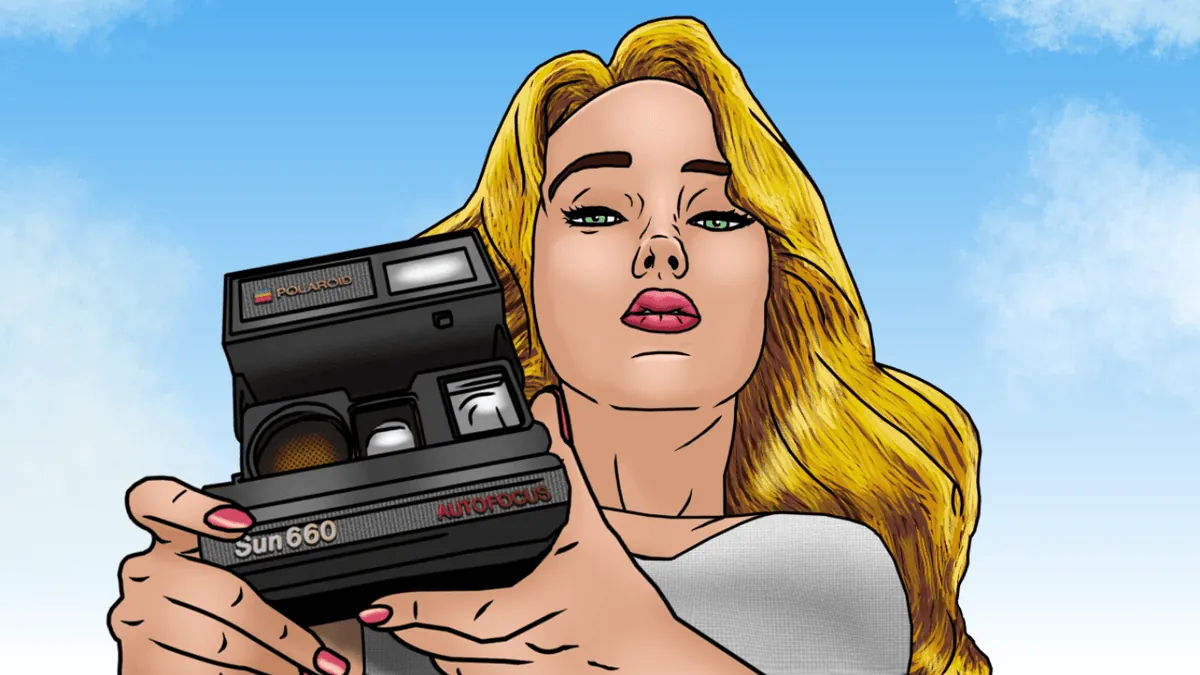
TableTop BornStar
Play TableTop BornStar
TableTop BornStar Screenshots

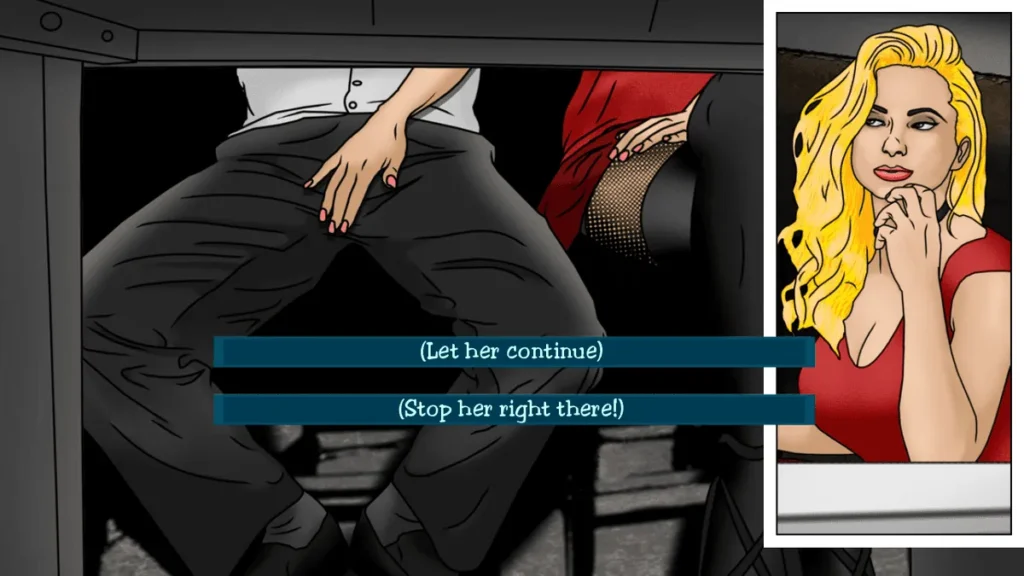
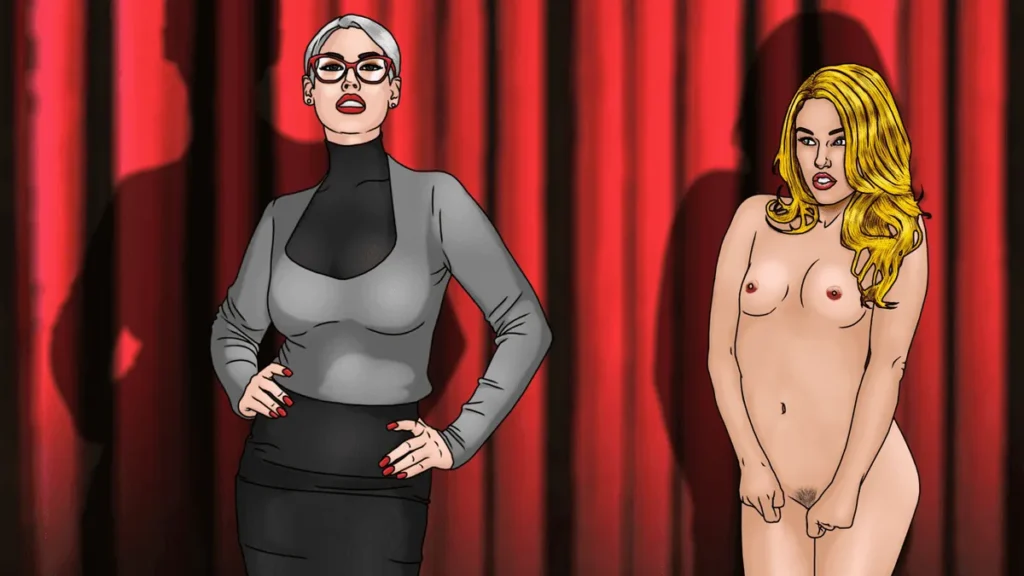
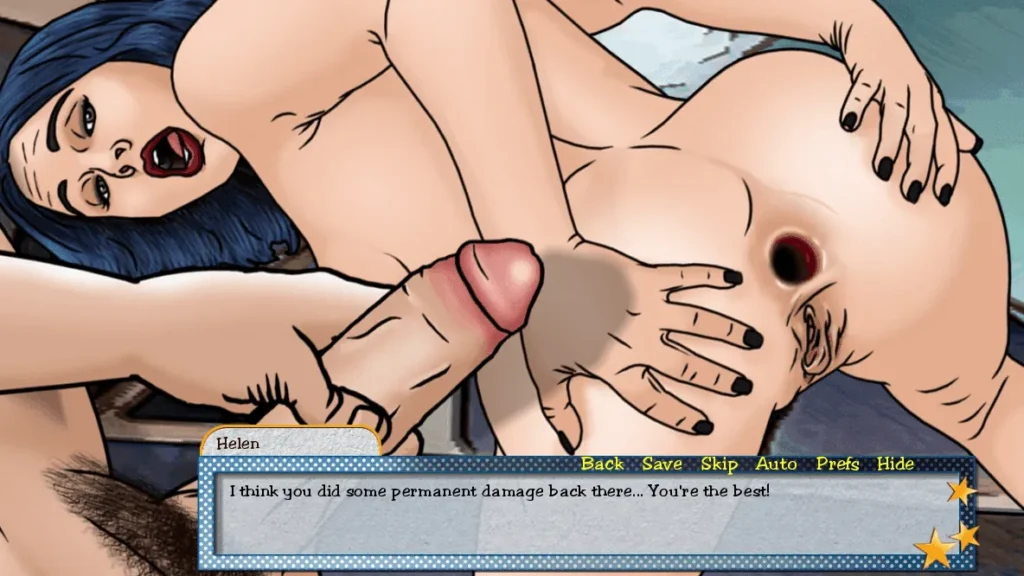


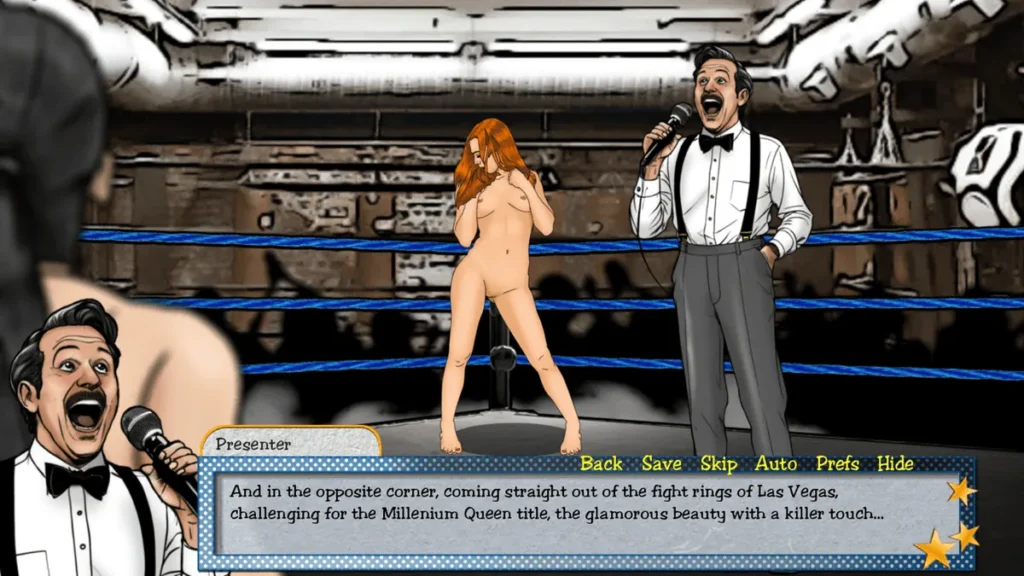

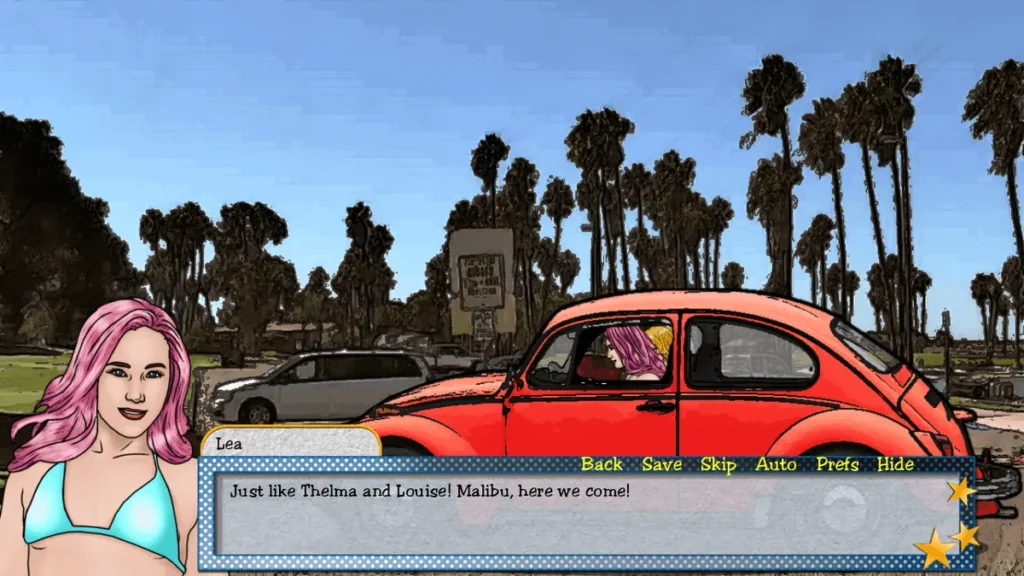
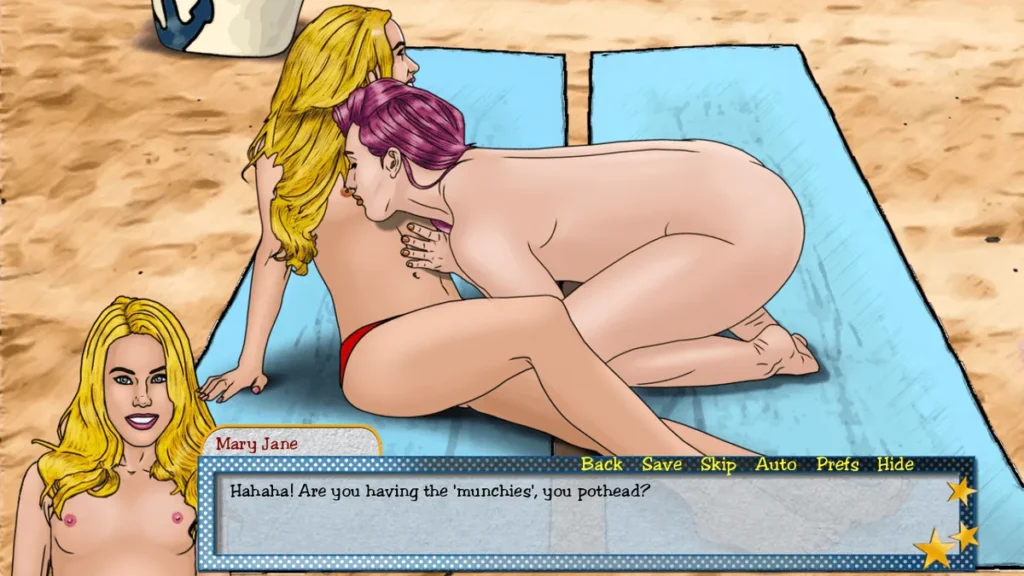
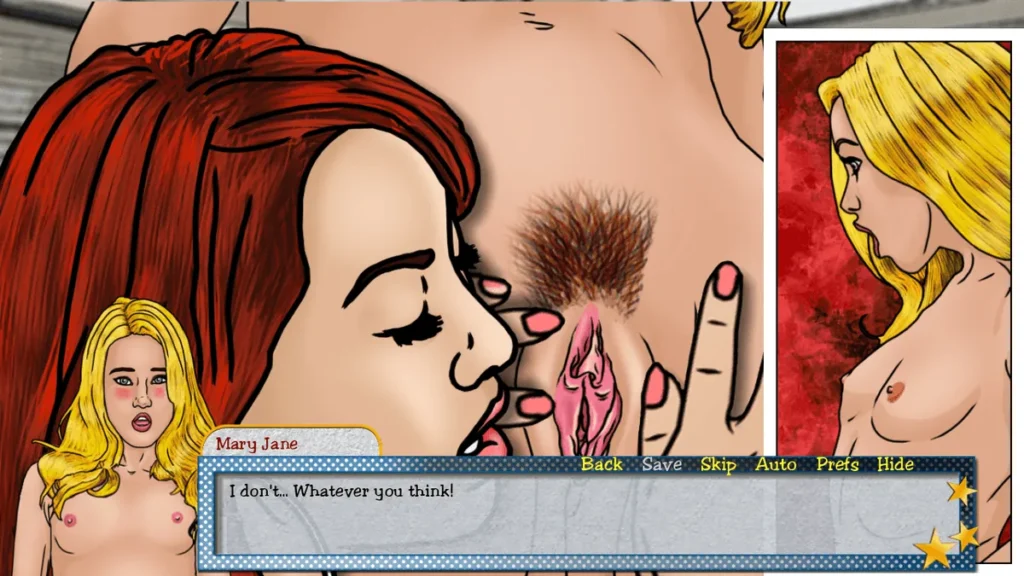
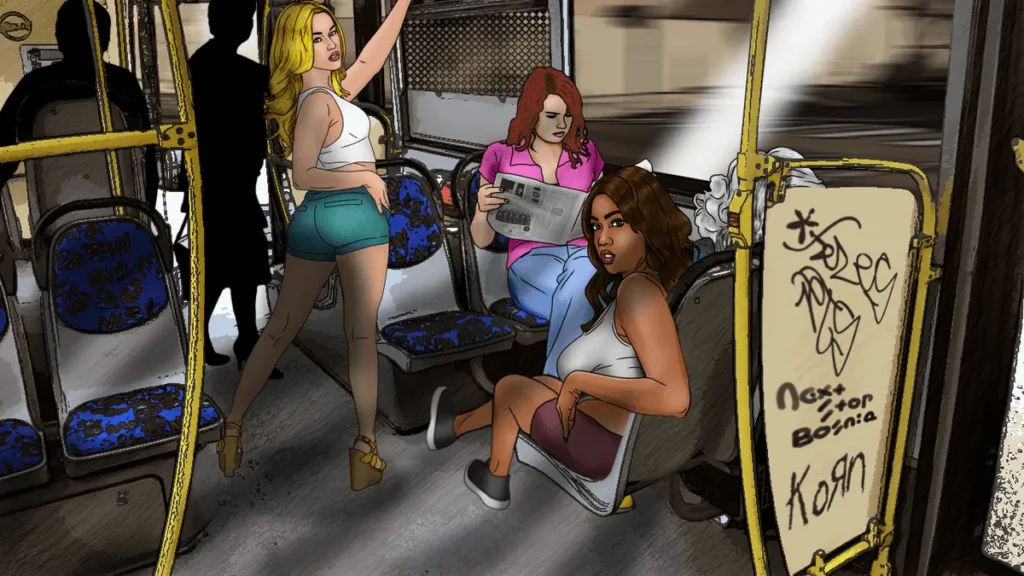
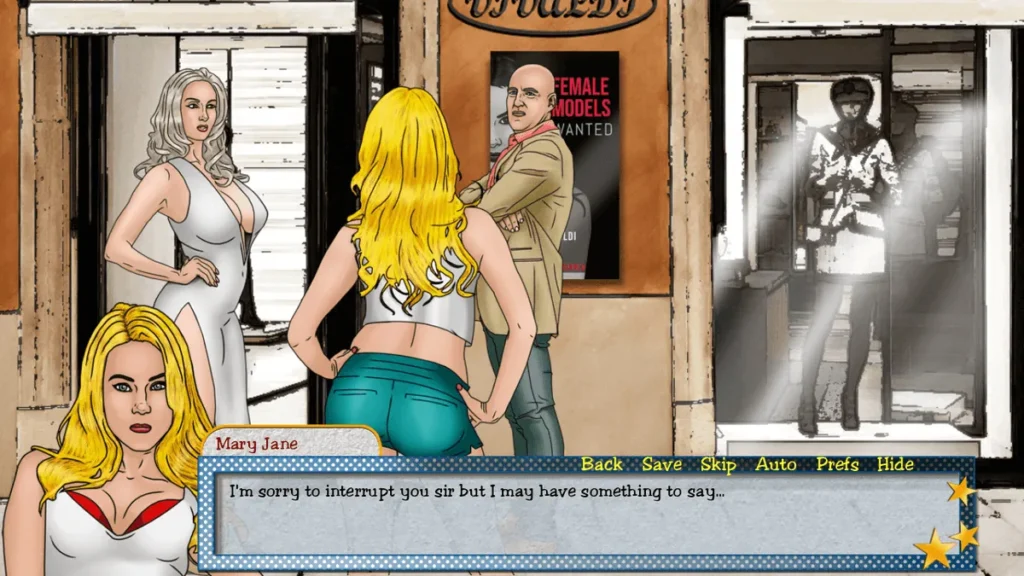
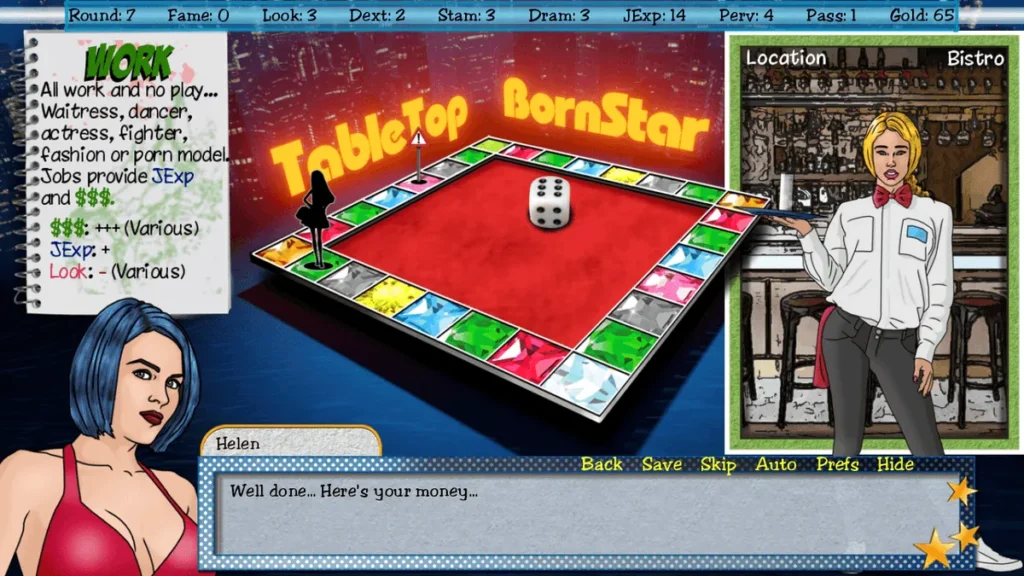

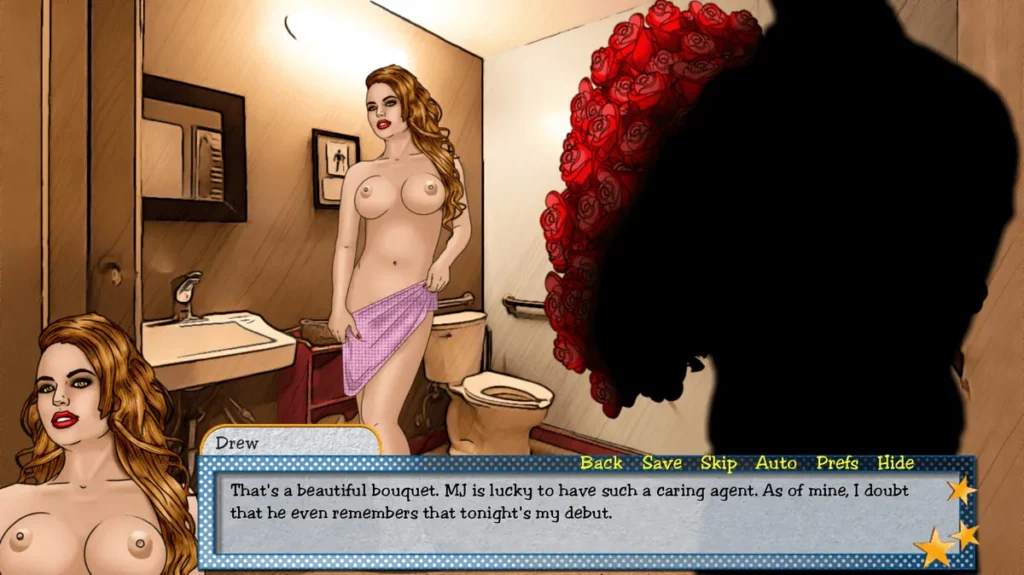

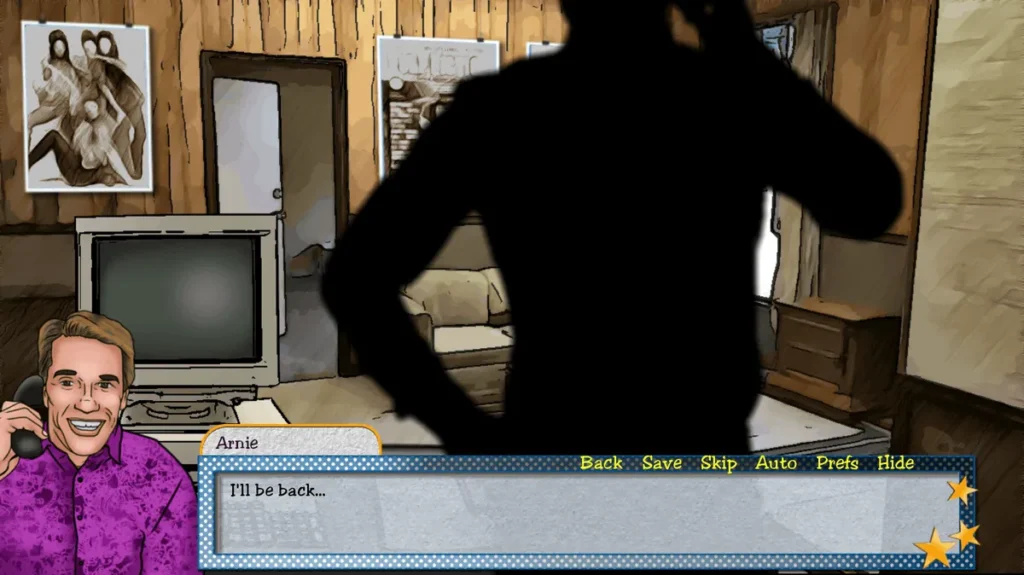

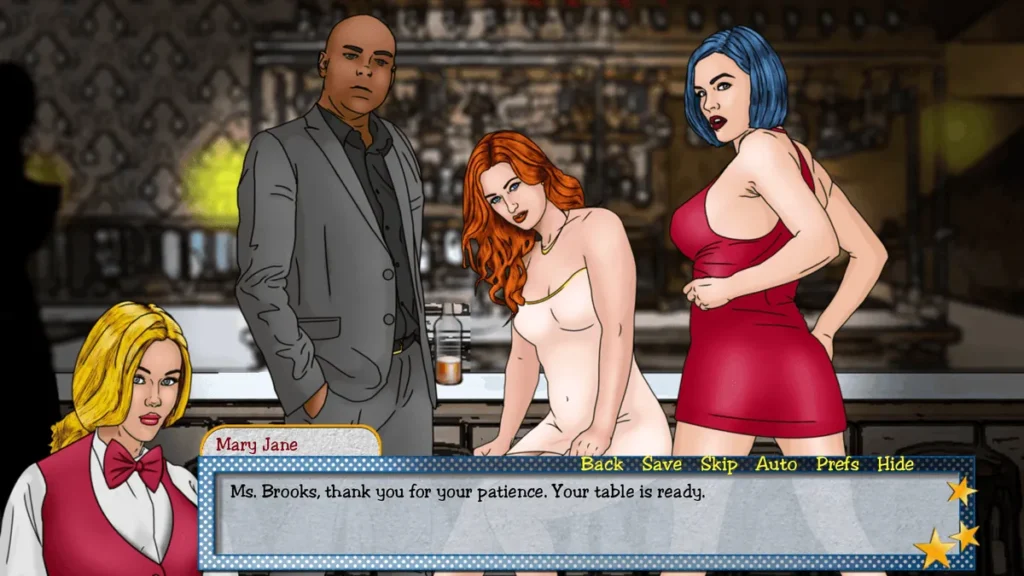



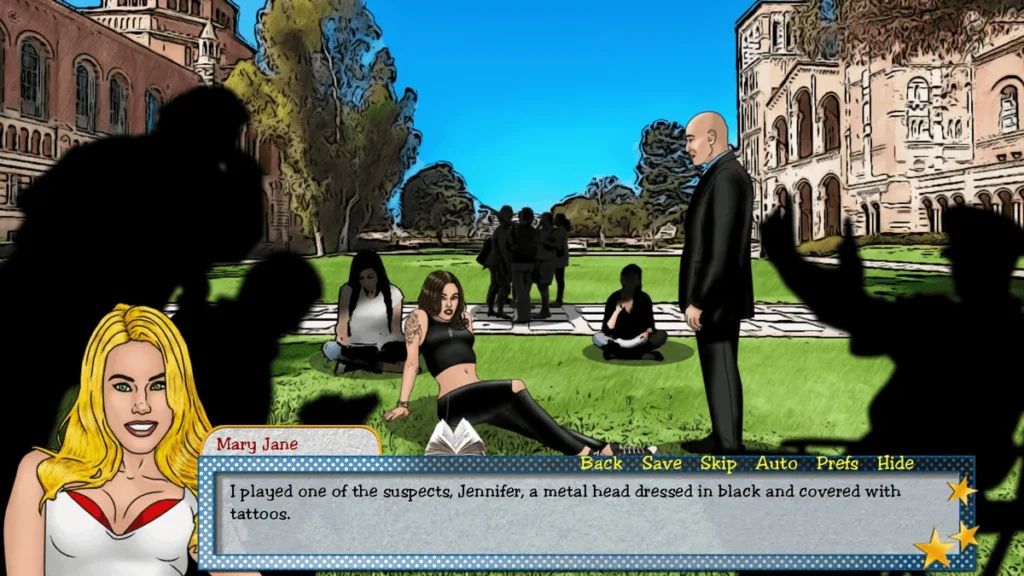
TableTop BornStar review
Explore the immersive adult visual novel combining tabletop mechanics with Hollywood storytelling
TableTop BornStar stands out as a unique adult visual novel that seamlessly blends tabletop gameplay with narrative-driven storytelling. Set in the glamorous yet corrupt world of 1999 Hollywood, this game puts you in the role of a washed-up talent agent under house arrest, tasked with guiding Mary Jane, an ambitious young actress, toward stardom. The game’s innovative combination of dice and card mechanics with meaningful story choices creates an engaging experience where every decision shapes the outcome. Whether you’re interested in strategic gameplay, compelling character development, or exploring morally complex narratives, TableTop BornStar offers a refreshing take on adult gaming that prioritizes player agency and replayability.
Understanding TableTop BornStar: Core Gameplay Mechanics
Ever felt like you’re just clicking through a story, watching a movie where you have no real say? That’s what hit me with so many visual novels. The art can be stunning, the stories interesting, but I wanted to play a game, not just read one. I wanted the thrill of a risky gamble, the weight of a strategic choice, and the feeling that my brain was just as engaged as my heart. That’s exactly the void TableTop BornStar fills. It’s not just another story; it’s an interactive experience where you wield the tools of a tabletop master to shape a cinematic drama.
This game is a revelation. Imagine sitting down for a classic pen-and-paper roleplaying session, but instead of graph paper and a dungeon, you’re in the glittering, cutthroat world of Hollywood, guiding an aspiring starlet’s career and life. TableTop BornStar gameplay mechanics seamlessly blend the strategic depth of tabletop gaming with the rich, branching narratives of a visual novel. It turns passive viewing into active creation. You’re not just making a choice; you’re rolling for its success, playing a card to bolster your chances, and watching the narrative ripple out from your actions. Let’s dive into the brilliant system that makes this all possible.
How Tabletop Elements Enhance the Visual Novel Experience
At its core, TableTop BornStar is built on a simple but powerful idea: uncertainty. In a standard visual novel, you pick Option A or B, and the story proceeds down a predetermined path. Here, your choices have weight precisely because they aren’t guaranteed. This is where the magic of tabletop mechanics storytelling comes alive.
Think of it this way: you’re Mary Jane’s agent. She has a fragile dream and a complex personality. You can’t just command her to “be confident” for a big audition. You have to nurture that trait, create situations that build it, and then, when the crucial moment arrives, you have to roll for it. This layer of chance mimics real life. You can prepare perfectly, coach her tirelessly, but on the day, a burst of nerves (a low roll) can still throw everything off. This creates incredible narrative tension and moments of genuine triumph or heartbreaking failure that feel earned. 🎭
The game masterfully uses its mechanics to break the “illusion of choice.” Your decisions matter on multiple levels:
* Strategic Resource Management: Your cards and dice are limited resources. Do you use your powerful “Method Acting” card now on a minor role to guarantee a boost, or save it for the career-defining audition later?
* Character-Driven Challenges: Mary Jane’s own stats—like Composure, Talent, and Ambition—directly influence the difficulty of challenges. Asking someone with low Composure to handle a hostile talk show is a high-risk, high-reward gamble.
* A Living, Reactive World: The game’s narrative-driven tabletop game systems mean the story adapts to more than just your dialogue choices. It reacts to your successes, your failures, and the very methods you use to achieve them.
To give you a clear picture, here are the key gameplay mechanics that form the engine of this experience:
| Mechanic | Tool/Element | Primary Function | Impact on Story |
|---|---|---|---|
| Dice Rolls 🎲 | Virtual Dice (D6, D10, etc.) | Determine the success/failure of actions and choices. Adds a layer of exciting uncertainty. | A failed roll can lead to unexpected, often more interesting, narrative branches than a simple success. |
| Card Selection 🃏 | Deck of Ability & Scenario Cards | Provides modifiers, special abilities, and narrative advantages. Represents your preparation and tools as an agent. | Cards can unlock hidden story paths, bypass challenges, or deepen character relationships in unique ways. |
| Decision Points ⚖️ | Dialogue & Action Choices | The classic visual novel choice, but now layered with mechanical weight (influencing roll difficulty). | Directs the core narrative branch, defining Mary Jane’s personality and moral direction. |
| Outcome Determination 📊 | Combination of Stats + Roll + Cards | The game calculates results using a transparent formula, making success/failure feel logical. | Creates a cohesive cause-and-effect chain, where every stat point and card played has tangible consequences. |
This framework transforms you from a reader into a director and strategist. You’re managing resources, assessing odds, and guiding a human being through a turbulent life. It’s this beautiful synthesis that defines the TableTop BornStar gameplay mechanics.
Dice and Card Mechanics: Strategy Meets Storytelling
This is where TableTop BornStar truly separates itself from the pack. The dice and card gameplay visual novel hybrid isn’t a gimmick; it’s the core nervous system of the entire experience. Let’s break down how these tools work together to tell a deeper story.
The dice are your moment of truth. When Mary Jane steps onto a film set for a difficult scene, you won’t just click “Perform Scene.” You’ll initiate an action that calls for a Talent check. The game will show you the target number based on her current skill and the scene’s difficulty. You hold your breath, click roll, and the digital dice clatter across the screen. That tension—the pure, unscripted possibility of a critical success or a devastating failure—is electric. It means no two playthroughs are ever identical, even if you make the same high-level choices. A botched roll during a crucial audition might lead her down a path of desperation, while an unexpected critical success at a party could open doors you never planned for.
The cards are your agency, your preparation. Your deck represents everything you can bring to bear as an agent: connections, coaching techniques, pep talks, and resources. 🧠
For example, you might have a card called “Veteran’s Coaching.” When played, it could add a +3 bonus to a Talent roll for an acting challenge. But maybe you also have “Tabloid Leverage,” a shadier card that applies a penalty to a paparazzo’s roll against you. How you build and use your deck becomes a statement about your character. Are you a nurturing guide with cards focused on skill-building and emotional support? Or are you a ruthless operator whose deck is filled with manipulation, blackmail, and shortcuts?
Pro Tip: Don’t hoard your powerful cards for a “perfect moment.” Sometimes, using a strong card to guarantee success on a minor challenge can prevent a downward spiral of negative status effects that would haunt you later. This dice and card gameplay visual novel loop is all about risk assessment.
The beauty is in the interplay. A difficult roll might seem impossible, but the right card can turn the tide. Conversely, you might attempt a risky action with a low chance of success, banking on a lucky roll, to conserve your cards for later. This strategic layer adds a phenomenal puzzle to the narrative progression, making how to play TableTop BornStar a uniquely engaging mental exercise.
Character Control and Decision-Making Systems
So, how do you actually guide Mary Jane’s destiny? This is where the TableTop BornStar character control and the visual novel choice system fuse into something incredibly nuanced. You are not controlling her like a puppet. You are influencing her as an agent: shaping her opportunities, managing her resources, and advising her at critical junctures. The control is indirect but profoundly powerful.
Your primary interface is the talent agent’s dashboard. Here, you see Mary Jane’s core attributes, her current state (stressed, inspired, confident, etc.), your deck of cards, and the ongoing opportunities (script offers, events, media appearances). You don’t tell her “go to the party.” You select the “Industry Gala” opportunity from the calendar and then decide how to approach it. Do you spend a card to arrange a “Chance Meeting” with a specific director? Do you advise her to play it cool or to network aggressively? Each approach sets different narrative flags and requires different checks.
The moral choice system is the soul of the game. From the very first scenes, you are presented with a fundamental dichotomy in your role: will you exploit Mary Jane for quick fame and profit, or will you genuinely help her build a sustainable, healthy career? This isn’t just a binary good/evil slider. 💫
It manifests in countless small decisions:
* Exploitative Path: Pushing her to do a lurid, high-paying photoshoot to quickly raise fame and cash, damaging her Composure. Using cards like “Tabloid Leak” to manufacture scandalous publicity. Accepting shady deals from powerful producers that advance her career at a deep personal cost.
* Nurturing Path: Turning down quick-money gigs to focus on a lower-paying but critically-respected indie film that builds her Talent. Using cards like “Therapy Session” or “Authentic Press Coaching” to strengthen her mental health and public image. Protecting her from predatory figures in the industry, even if it means slower progress.
Let’s look at a concrete example of how a single choice branches the narrative. Imagine a scene where a powerful producer offers Mary Jane a starring role, but his intentions are clearly inappropriate.
Your Choice (Decision Point): Advise her to “Play along to get the role” (Exploit) or “Politely decline and leave” (Nurture).
- If you choose “Play along”…
- You might play a card like “Calculated Charm” to aid the ensuing Composure roll.
- Success: She gets the role immediately. Her Fame soars, but her Morale and Innocence stats plummet. The producer becomes a recurring, menacing figure in her story.
- Failure: The situation backfires horribly. She is humiliated, loses the role, and gains a powerful enemy. Her stats crash, and a new storyline about trauma and recovery may open.
- If you choose “Politely decline”…
- You might play a card like “Principled Stand” to fortify this choice.
- Success: She leaves with her dignity intact. She gains a boost in Self-Respect and may later attract the attention of a different, more respectful director who heard about her integrity.
- Failure: The producer is insulted and blacklists her. Immediate career opportunities dry up, forcing you to seek alternative, harder paths to stardom.
See how one interaction can spiral into entirely different plot threads, relationship dynamics, and character developments? This is the visual novel choice system amplified by the tactical tabletop layer. Every major story beat, from auditions and film shoots to personal relationships and media crises, is structured this way. Your TableTop BornStar character control is about setting the direction and providing the tools, while the dice decide how the turbulent waters of fate respond.
This architecture is what creates the game’s legendary replayability. With dozens of major branching points, multiple stats that influence outcomes, and a vast deck of cards that enable different strategies, you can play five times and see five radically different versions of Mary Jane’s rise (or fall). You might guide her to become an Oscar-winning artist, a hollow tabloid celebrity, a burnt-out casualty of the system, or someone who walks away from it all to find peace. The story is genuinely in your hands—and in the fateful roll of the dice.
Ultimately, TableTop BornStar is more than the sum of its parts. It’s a narrative-driven tabletop game that respects your intelligence and rewards your engagement. It understands that the best stories are those we have a hand in creating, with all the risk, strategy, and unexpected twists that entails. By mastering the TableTop BornStar gameplay mechanics, you’re not just learning a rule set; you’re learning how to weave a unique, personal, and utterly compelling Hollywood tale. So, gather your cards, ready your dice, and step into the agent’s chair. Your starlet is waiting.
TableTop BornStar represents an innovative approach to adult gaming by successfully merging visual novel storytelling with strategic tabletop mechanics. The game’s 1999 Hollywood setting provides an authentic and immersive backdrop for exploring themes of corruption, ambition, and moral complexity. With its emphasis on meaningful player choices, diverse character interactions, and multiple possible endings, the game delivers substantial replay value and player agency. The combination of stunning visuals, engaging narrative, and strategic gameplay mechanics creates a unique experience that appeals to players seeking depth beyond traditional visual novels. Whether you’re drawn to the strategic elements of dice and card gameplay, the compelling character development, or the morally challenging narrative choices, TableTop BornStar offers a comprehensive gaming experience that continues to evolve through regular updates and expanded content.