Short Sad Stories
Play Short Sad Stories
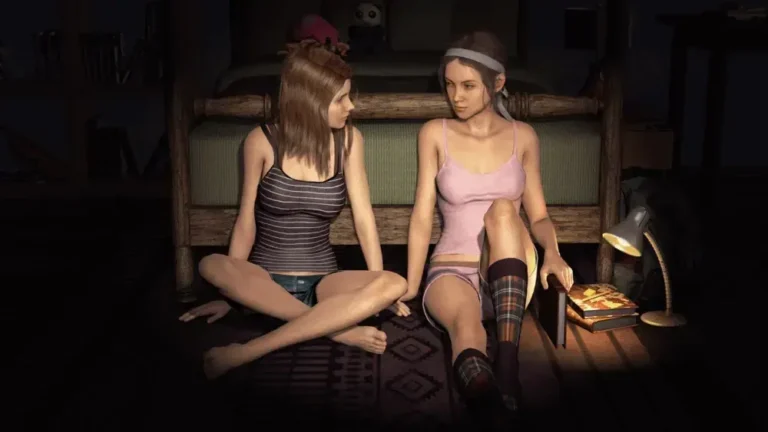
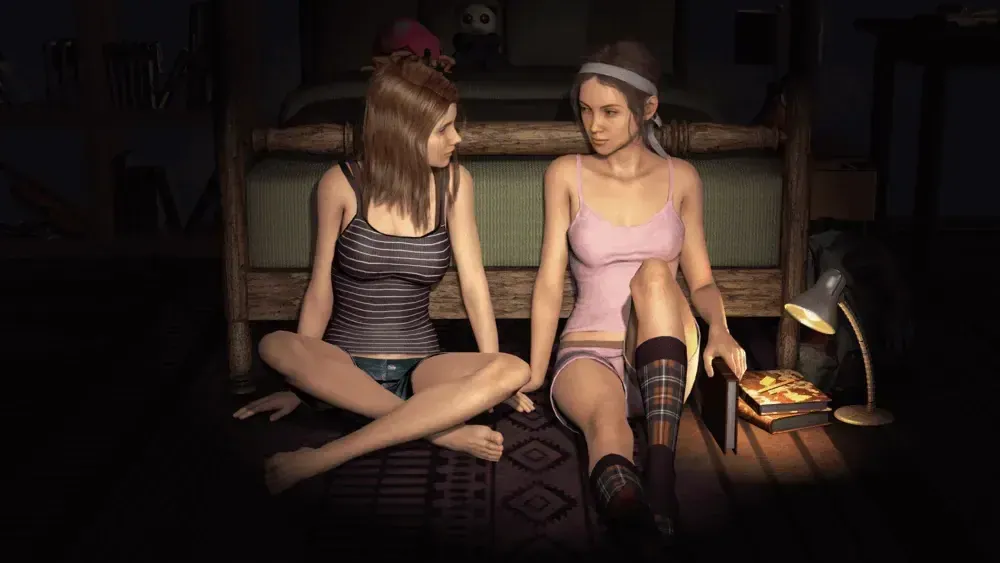
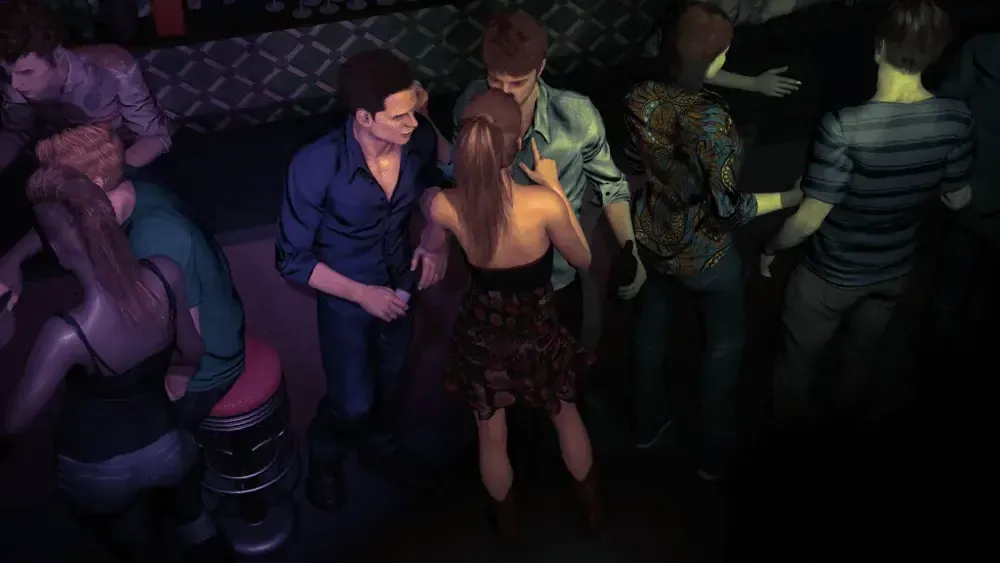
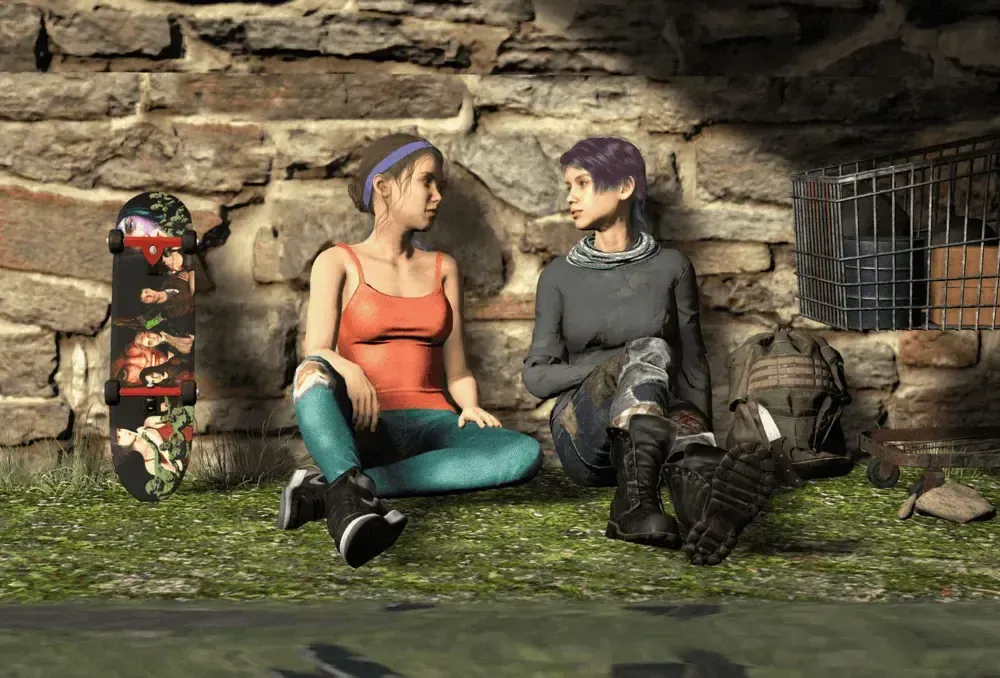
Short Sad Stories Screenshots


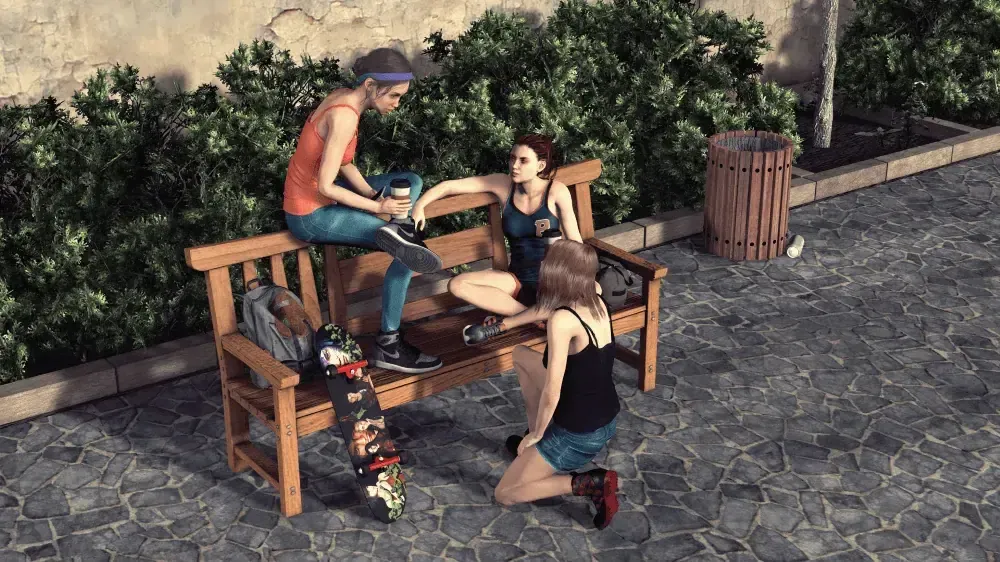
Short Sad Stories review
Dive into heartfelt narratives, player choices, and poignant gameplay
Imagine stepping into a world where every choice tugs at your heartstrings, blending reality and fantasy in the most bittersweet way. Short Sad Stories, the captivating visual novel by Pent Panda, pulls you into Alice’s dreamy life filled with dilemmas, complex relationships, and unexpected twists. As a shy protagonist navigating love, loss, and growth, your decisions shape branching paths that lead to profound emotional outcomes. I’ve replayed it multiple times, each run revealing new layers of heartbreak and hope. This guide uncovers why Short Sad Stories stands out in interactive storytelling, offering tips to maximize your experience in this narrative-driven gem.
What Makes Short Sad Stories Gameplay So Addictive?
I still remember my first playthrough of Short Sad Stories. I’d made it to the final chapter, feeling a fragile hope that maybe, just maybe, Alice could find a sliver of happiness. Then, I made a single, seemingly minor choice—I encouraged her to keep a worn-out concert ticket instead of throwing it away. I thought I was preserving a happy memory. The game had other ideas. That ticket became a haunting symbol of clinging to the past, and my ending was one of quiet, profound regret. I sat there, stunned, as the credits rolled. It was in that moment I truly understood the power of Short Sad Stories gameplay. It doesn’t just tell you a sad story; it makes you an architect of that sadness through every visual novel choice you make.
This is the core of its addictive pull. Unlike games where you fight for a triumphant victory, here, you are navigating the delicate, inevitable ache of being human. Your agency isn’t about changing fate, but about discovering how Alice walks her path. The branching narratives visual novel design means your Short Sad Stories decisions impact the texture of the sorrow, the flavor of the loneliness, and the specific regrets that will linger with you—and with Alice—long after you’ve put the controller down.
How Player Choices Shape Heartbreaking Narratives
So, how do choices work in a story that’s fundamentally sad? This is where Alice Short Sad Stories shines. The game masterfully separates outcome from experience. You cannot prevent the overarching themes of loss and change, but you have immense control over Alice’s emotional journey and relationships.
Think of it like curating a museum of a life. Your visual novel choices determine which artifacts go on display, which memories are highlighted, and which connections are strengthened or frayed. Will you have Alice spend her afternoon with the pragmatic but caring friend, Leo, delving into their shared history? Or will you choose the more volatile, artistic path with her romantic interest, Kael, knowing it might lead to a more passionate but painful clash? These decisions don’t create “good” or “bad” endings in a traditional sense. Instead, they create your version of Alice’s story—one that might focus on the solace of friendship, the sting of romantic missteps, or the heavy weight of familial silence.
The genius of the Short Sad Stories gameplay loop is that it turns reflection into a mechanic. You’re constantly asked: What is worth holding onto? This is made literal in moments of item curation, where you decide which mementos from Alice’s past to keep or discard. Each object is a story fragment, and your choice to hold on or let go directly influences her internal monologue and available dialogue later. Keeping too much can trap her in the past; discarding everything can feel like a brutal erasure of self. Finding the balance is the heart of the game.
Pro Tip: Your first playthrough should be guided by your gut. Don’t try to “game” the system. Let your instincts choose. The authenticity of that first, unspoiled journey is a unique emotional experience.
Exploring Alice’s World: Reality vs Fantasy
A huge part of understanding how to play Short Sad Stories is learning to read its two distinct layers: the bleak, often lonely reality of Alice’s daily life, and the vibrant, dangerous fantasy world she escapes into. The game’s emotional game mechanics are deeply tied to this dichotomy.
In reality, interactions are muted. Colors are desaturated, music is minimal, and dialogue options often revolve around withdrawal, polite deflection, or cautious engagement. This is where you manage Alice’s energy and build (or neglect) her real-world relationships. Then, there are the fantasy segments. Triggered by specific items or emotional states, these are lush, surreal, and symbolic. Here, her internal struggles manifest as epic quests, mythical beasts, and magical allies that represent her fears, hopes, and repressed emotions.
The critical Short Sad Stories decisions impact comes from how you navigate between these worlds. Do you use the fantasy as a healthy coping mechanism to process grief, or as a total escape that further disconnects Alice from her real life? The game tracks this balance. Spending too much time in the fantasy can lead to endings where Alice feels completely untethered, while brutally rejecting the fantasy can result in a cold, emotionally barren conclusion. The most cathartic paths involve using the insights gained in the fantasy to make small, brave changes in reality.
This is the poignant core of Alice Short Sad Stories: the struggle to integrate our painful realities with the inner worlds we build to survive them. Your choices are the needle and thread attempting that delicate, often failing, repair.
Key Mechanics for Deeper Emotional Connections
Beyond the big narrative branches, Short Sad Stories employs subtle, brilliant mechanics that transform you from a passive reader into an active participant in Alice’s emotional state. This is where the Short Sad Stories gameplay truly becomes immersive.
Environmental Interaction: Almost every scene allows you to click on objects—a rain-streaked window, a cold cup of coffee, a flickering streetlight. These aren’t just for flavor. They pull you into Alice’s headspace, offering silent, poetic observations that build her character far more than exposition ever could. You learn her sadness through the way she sees a wilting plant or an empty chair.
Memory Replay: Found in the main menu after certain choices, this feature lets you re-experience key moments. But it’s not just a simple rewind. You can now see faint, ghostly outlines of the paths not taken—the other dialogue option you could have picked, the different emotional tone you could have set. It’s a mechanic designed specifically to evoke regret and curiosity, directly fueling the desire for another playthrough.
The Dialogue Timer: Many crucial conversations don’t let you pause indefinitely. A subtle, pulsing circle gives you a few seconds to choose. This creates a gentle pressure that mirrors social anxiety and the fleeting nature of real-life conversations, making your visual novel choices feel more urgent and authentic.
To see how these mechanics weave together to create different emotional journeys, let’s break it down:
| Story Arc Theme | Core Game Mechanics Involved | Typical Emotional Payoff |
|---|---|---|
| Loss & Letting Go | Item Curation, Memory Replay | Bittersweet catharsis; a lightened, but aching, heart. |
| Romantic Longing & Missed Connections | Timed Dialogue Choices, Fantasy/Reality Balance | Poignant melancholy; the “what could have been” ache. |
| Friendship as an Anchor | Branching Narrative Paths, Environmental Storytelling | Warm sorrow; sadness shared feels less isolating. |
| Confronting Internal Demons | Fantasy World Gameplay, Symbolic Item Use | Painful clarity; a harder, but more honest, peace. |
The emotional game mechanics are never just for show. Each one is a tool for you to sculpt the specific shade of blue that will color your version of Alice’s story.
My Personal Advice for Getting the Most Out of It: This game changed how I view player agency. To truly feel its depth, you must commit to multiple playthroughs. I recommend 3-5 to see the major narrative branches. The full version contains 9 chapters of rich content (compared to the demo’s 6), and the “Final + DLC” edition adds essential side stories that deepen the context for characters like Leo and Kael immensely. Each new path reveals how a different Short Sad Stories decisions impact can echo through the entire tale, making you re-contextualize scenes you thought you understood.
Ultimately, how to play Short Sad Stories is to play it slowly, attentively, and emotionally. Savor the quiet, introspective moments. Listen to the ambient sounds. Read the descriptions. Let yourself sit with the discomfort. The game’s greatest reward isn’t an achievement pop-up; it’s that lump in your throat or that moment of quiet reflection it inspires in you long after you’ve finished.
Here are my top tips for your first steps into this beautiful, heartbreaking world:
- Follow Your First Heart 😢 – Resist the urge to look up guides. Your initial, instinctive playthrough is uniquely valuable and personal.
- Talk to Everyone, Twice – Characters often have new, more vulnerable dialogue after key events. Revisiting them is key to unlocking deeper branching narratives.
- Embrace the “Memory Replay” – After a chapter, use this feature. Seeing the ghost of the unchosen path is a powerful narrative tool and the best teaser for your next run.
- Journal Your Thoughts – Keep a simple note of major choices and how they made you feel. It will enhance your appreciation of the narrative cause-and-effect on subsequent plays.
- Invest in the Final + DLC Version 📖 – The additional content isn’t filler; it’s foundational material that makes the core Alice Short Sad Stories experience feel complete and profoundly richer.
Short Sad Stories lingers long after the credits roll, transforming simple choices into unforgettable emotional journeys through Alice’s world of dreams, regrets, and quiet hopes. From curating memories to navigating tangled relationships, every playthrough offers fresh insights into loss and resilience. I still think back to my paths that ended in lonely fantasy versus hard-won reconciliation—each one felt real and raw. If you’re craving a visual novel that hits deep, grab the Final + DLC version and dive in today. Share your own endings in the comments; what choice broke your heart the most? Your story awaits.