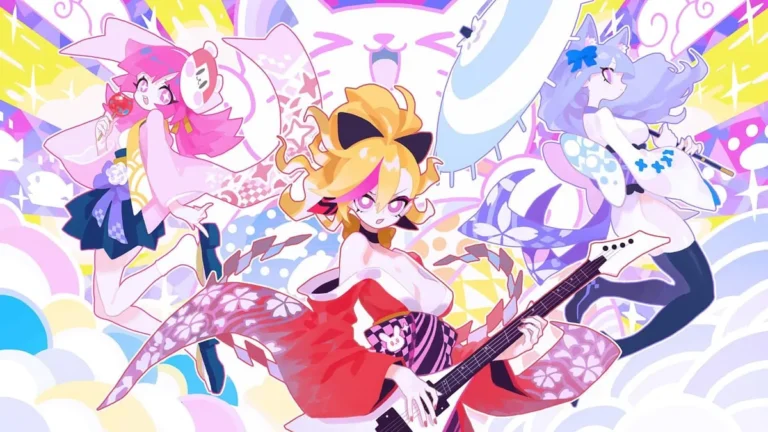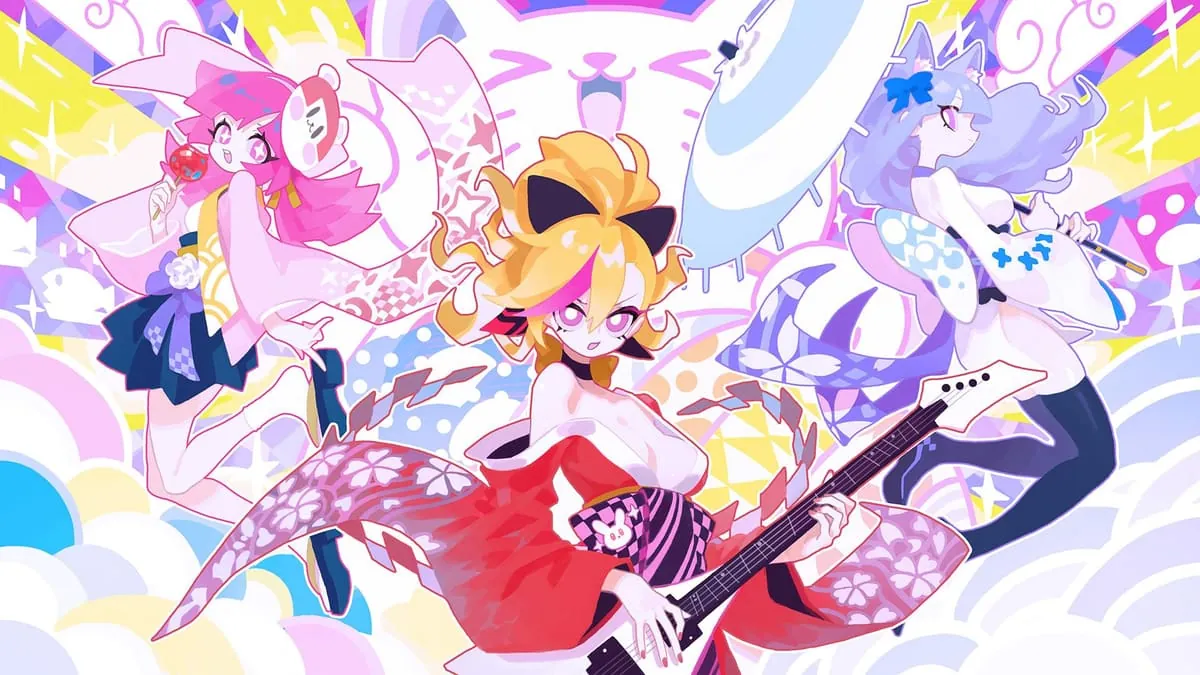
Muse Dash Screenshots
Muse Dash review
Discover the addictive beat ’em up gameplay and vibrant tunes in this indie gem
Hey there, rhythm lovers! Have you ever jumped into a game where every beat feels like a personal dance party? That’s Muse Dash for you—a side-scrolling rhythm-action blast that hooks you from the first song. Picture this: cute anime heroines dashing through colorful worlds, smashing enemies in perfect sync with pounding J-POP tracks. I remember my first full combo; it was pure adrenaline! In this guide, we’ll dive into Muse Dash gameplay, unlock secrets, and share tips to master those tricky levels. Whether you’re a newbie tapping notes or a pro chasing perfect scores, get ready to groove.
What Makes Muse Dash Gameplay So Addictively Simple?
I remember the first time I loaded up Muse Dash. I was expecting a complex set of inputs, the usual wall of notes and lanes you see in many rhythm titles. My fingers were already tensing up for a workout. What greeted me, instead, was a vibrant, side-scrolling world with a cute character and a simple, daunting instruction: hit the enemies to the beat. My brain short-circuited. “That’s it?” I thought. Ten minutes later, I was completely hooked, my head bobbing and my thumb muscles getting their first true taste of rhythmic joy. The secret sauce? An addictively simple core loop that anyone can grasp in seconds, but which offers a depth that will keep you chasing perfection for hours. 😄
This is the magic of Muse Dash gameplay. It strips away the intimidating complexity of the genre and replaces it with pure, pulsating fun. It’s a rhythm action game that feels more like a dynamic, musical platformer where you are the beat.
How Do the Basic Controls Work in Muse Dash?
At its heart, understanding how to play Muse Dash is a lesson in elegant minimalism. You only need two actions:
* Ground Attack (or Tap): Hit enemies on the ground lane.
* Jump/Air Attack: Hit enemies in the air lane.
That’s it. No complex chords, no four-lane spread, no scratching or turntables. On a keyboard, it’s often just two keys. On a touchscreen or controller, it’s two buttons or tap zones. This elegant simplicity is the foundation of all Muse Dash controls.
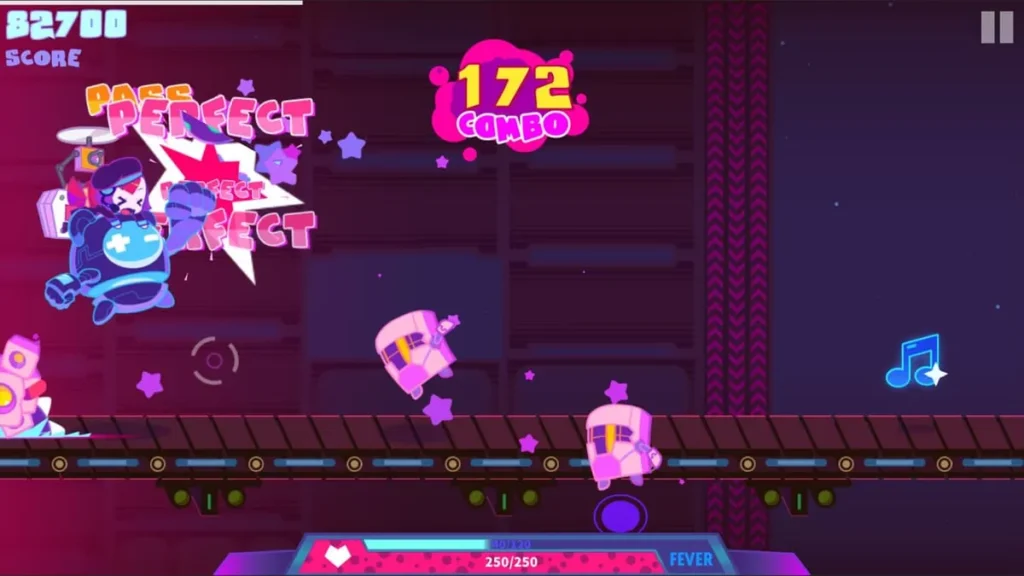
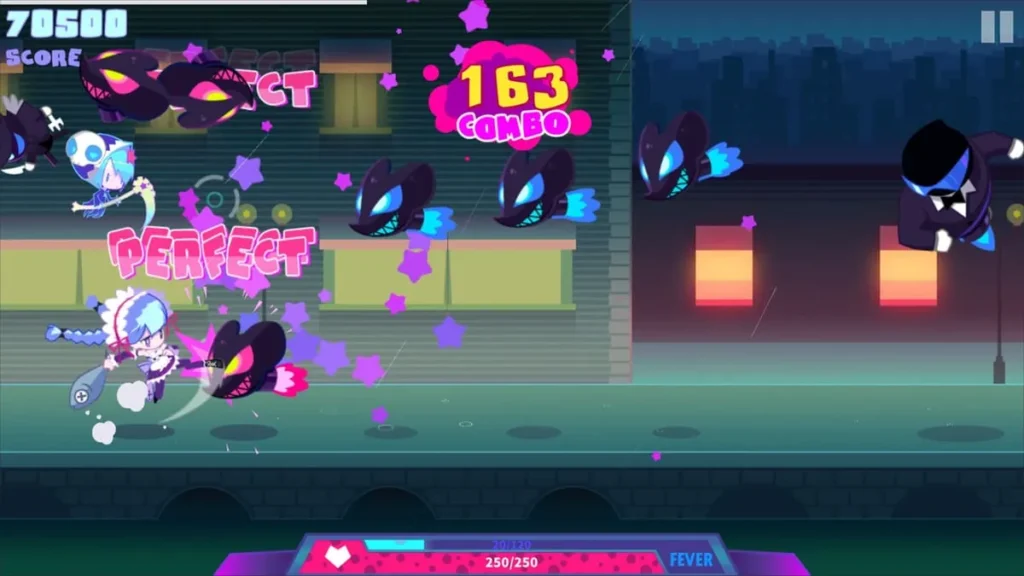
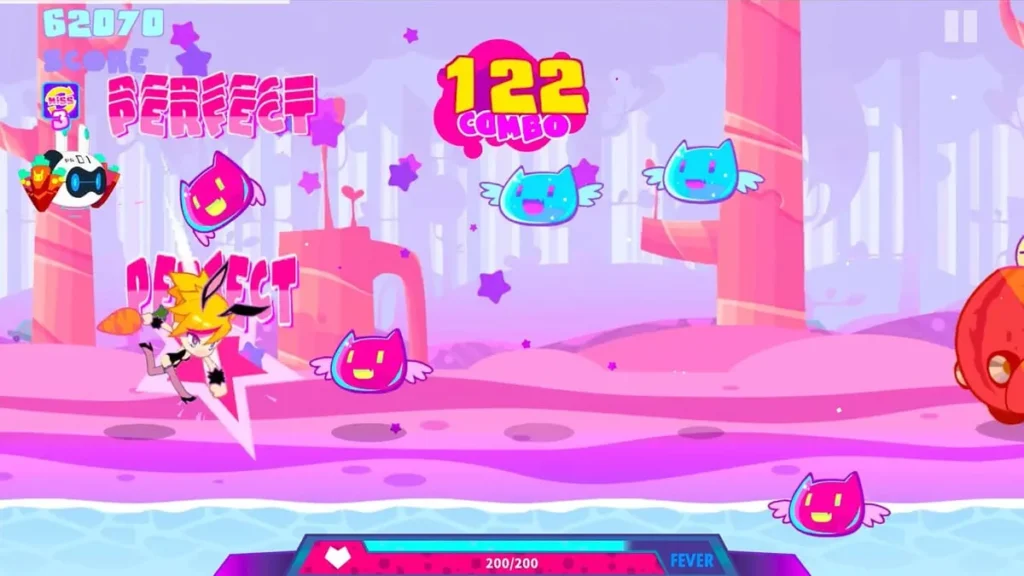
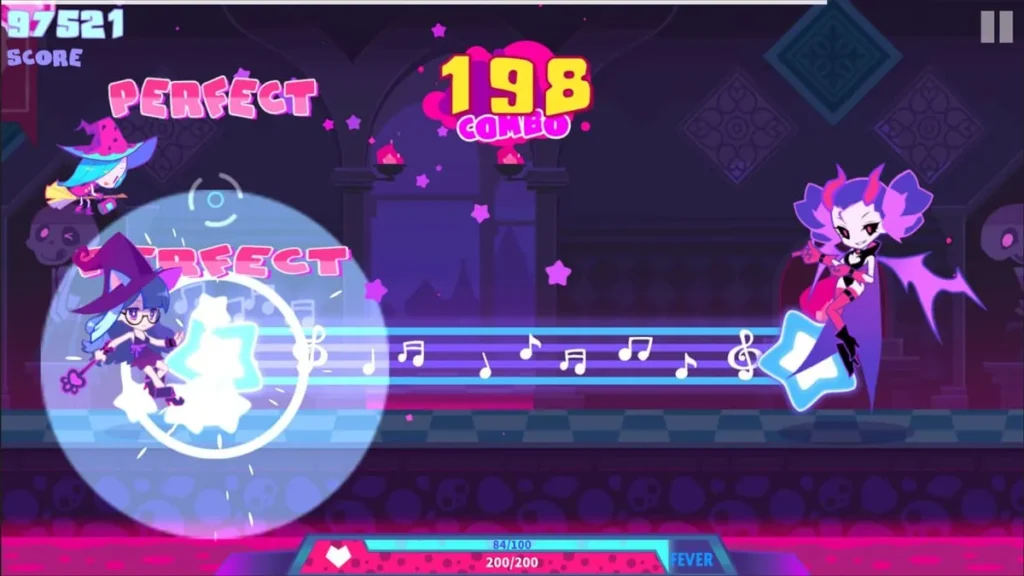
You control a “Runner” (your chosen character) who automatically dashes from left to right. Muse Dash enemies—which are actually musical notes disguised as adorable ghosts, floating cupcakes, menacing sawblades, and more—stream towards you from the right side of the screen. Your job is to strike them in time with the music’s beat. Hit a ground foe with your ground attack. Jump to punch a flying enemy. The game’s genius is in how these Muse Dash enemies synchronize perfectly with the soundtrack, making the rhythm tangible. You’re not just pressing buttons to music; you’re physically interacting with the music.
Here’s a quick breakdown of what you’ll encounter and how to handle it:
- Ground Enemies: 👣 Simply tap your ground attack button as they line up with your runner.
- Air Enemies: 🕊️ Press and hold your jump button to attack. A short press does a quick hop-attack, while a longer hold lets you float for sustained beats or sequences.
- Dual-Lane Enemies (Hearts/Sprites): 💖 These require you to press both attack and jump buttons simultaneously. They’re a great test of coordination!
- Obstacles (Saws/Spikes): ⚠️ You must avoid these by either jumping over low ones or ducking under high ones (by not jumping when in the air lane). A collision here costs health.
The immediate feedback is incredibly satisfying. Hit an enemy on the perfect beat, and you’re rewarded with a brilliant flash and a crisp sound effect. Miss one, and your combo counter resets with a disappointing “clunk.” Let an enemy pass, or run into an obstacle, and you lose a chunk of your health bar. You can recover health by collecting the pink hearts that occasionally appear. Managing this risk-reward—going for a risky full combo Muse Dash run versus playing it safe to survive—is a constant, thrilling tension.
Pro Tip: When starting, don’t just watch the enemies. Listen to the music. Your ears will often guide your fingers better than your eyes alone. The Muse Dash gameplay is designed to be an auditory experience first.
Why Does the Rhythm-Action Formula Click So Well?
So why does this two-button formula work so brilliantly? It’s because Muse Dash masterfully merges two classic genres. It has the reflex-based, pattern-recognition challenge of a rhythm action game, combined with the immediate, kinetic satisfaction of a side-scrolling “beat ’em up.” You’re not just a passive recipient of notes; you’re an active participant dashing through a musical landscape, cleaning house.
The “easy to pick up, hard to master” appeal is off the charts. Within one song, you understand the rules. Within ten, you’re chasing higher scores and longer combos. The real depth comes from the variety and density of Muse Dash enemies. As you move from Easy to Hard and finally to the grueling Master difficulty, the game doesn’t just make notes come faster. It creates intricate patterns.
- Sequences might have you rapidly alternating between ground and air attacks like a drummer doing a fill.
- Boss fights transform the screen, requiring rapid, rhythmic taps to defeat a large foe.
- Sawblades and spikes force you to integrate precise jumps and ducks into your attack routine.
This is where the pursuit of a full combo Muse Dash becomes a glorious obsession. A “full combo” (FC) means hitting every single note in a song without missing or taking damage. On a hard track, achieving this feels like a monumental accomplishment—a perfect fusion of you, the character, and the music. Your fingers dance, your focus narrows to a tunnel, and for three minutes, you are the rhythm. I’ve lost count of the nights I’ve spent grinding one particular J-POP track, each run getting me a little closer to that elusive, beautiful “FC” rating on the results screen. 🎯
The Muse Dash controls are so direct that they get out of the way, letting you focus entirely on this flow state. Whether you’re using touch controls on mobile/Switch or keys on PC, the connection between your intent and the on-screen action is instantaneous.
Unlocking Songs and Characters: Your Progression Path
One of the biggest hooks in Muse Dash gameplay is the constant sense of reward and discovery. You don’t start with 100+ songs. Instead, you embark on a delightful progression path. Every song you play earns you XP (Experience Points). Fill your XP bar, and you level up. Each new level unlocks something: a brand new song, a fresh character, or a cute pet/elfin that provides gameplay modifiers.
This system is genius. It turns the natural desire to replay a favorite song into meaningful progress. You might play an upbeat electronic track five times because it’s fun, but those five plays also get you 20% closer to unlocking a mysterious new J-core or classical piece. It makes the entire game feel like a gift that keeps on giving.
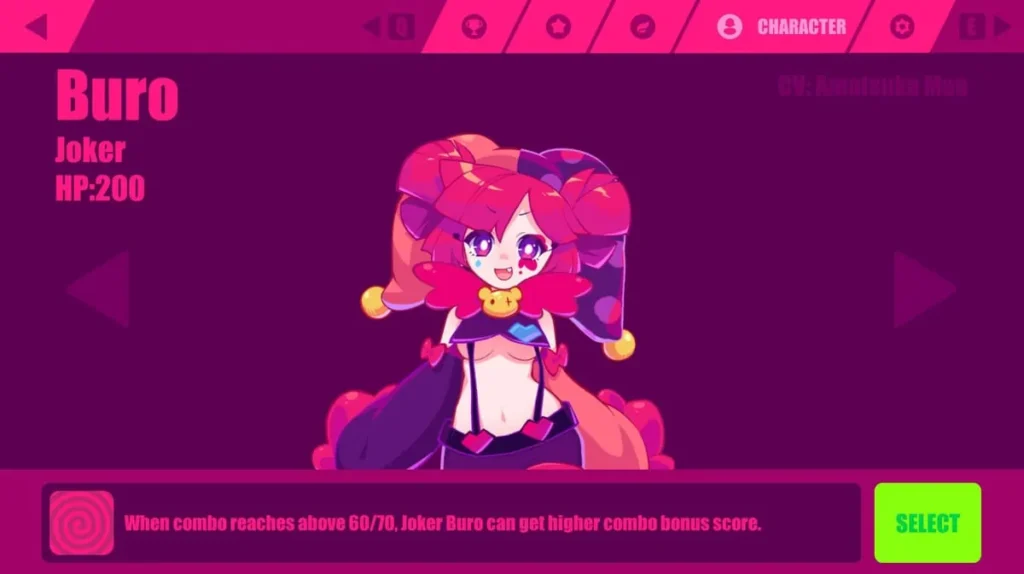
Characters aren’t just cosmetic in Muse Dash. Each one has unique abilities. One might start with a larger health bar, perfect for beginners. Another might give you a score multiplier but make you more fragile, ideal for experts going for a top rank. This adds a wonderful strategic layer to how to play Muse Dash for score attacks. Do you choose the safe runner to survive a tough track, or the high-risk, high-reward character to climb the leaderboards?
The difficulty spectrum is where the game truly unfolds. Here’s a quick look at what to expect as you progress:
| Difficulty | Enemy Density & Speed | Note Patterns | Perfect for… |
|---|---|---|---|
| Easy | Low, relaxed pace. Great for learning the melody. | Basic ground/air alternation. Very few obstacles. | Absolute beginners, chilling out, or enjoying a song’s tune. |
| Normal | Moderate. The “true” way to experience most songs. | Introduces simple dual-button notes and occasional obstacles. | Players who know the basics and want a satisfying challenge. |
| Hard | High! Fast streams of enemies demand quick reflexes. | Complex patterns, rapid alternations, and tricky obstacle sequences. | Rhythm veterans chasing high scores and full combos. |
| Master (Hidden) | Extreme. A brutal test of memorization and precision. | Devilish patterns that often redefine the song’s rhythm. | The elite few seeking the ultimate **Muse Dash gameplay** challenge. |
My best piece of practical advice? Start on Easy, even if you’re a genre veteran. Use it to internalize a song’s melody and basic structure. Then move to Normal to learn its core rhythm patterns. Once that feels comfortable, take the plunge into Hard. This gradual approach is the fastest route to improvement and will save you from frustration.
The loop is irresistible: play a song, earn XP, unlock a new song or character, try it out, earn more XP, and on and on. With a base library of over 50 tracks spanning genres from dubstep and rock to classical and anime openings—plus massive expansion packs—there’s always a new rhythm to conquer and a new full combo Muse Dash achievement to chase.
This beautiful simplicity, married to deep, rewarding challenge, is what makes Muse Dash so special. It understands that the joy of a rhythm action game comes from becoming one with the music, not from fighting a complicated control scheme. Now that you know what makes the core Muse Dash gameplay tick, you’re ready to dive in and start your own rhythmic journey. But how do you go from beginner to high-score hero? In the next section, we’ll break down the essential tips and tricks that will transform your approach to every track and every one of those Muse Dash enemies.
There you have it—Muse Dash is the ultimate rhythm-action escape with its simple controls, catchy tunes, and endless replay value. From my late-night sessions chasing full combos to unlocking those hidden characters, it’s a game that keeps pulling you back. Whether you’re dodging saws or battling bosses, the joy is in the groove. Grab your controller (or fingers for touch play), dive into the music, and start your dash today. What’s your favorite track? Share in the comments and let’s jam together!