Lost in Paradise
Play Lost in Paradise
Lost in Paradise Screenshots






Lost in Paradise review
Exploring the world, story, and gameplay of Lost in Paradise
Lost in Paradise is a unique title that blends immersive storytelling with a distinctive visual style. For fans of narrative-driven experiences, this game offers a journey into a mysterious, dreamlike world filled with emotion, atmosphere, and personal discovery. In this article, we’ll take a close look at what makes Lost in Paradise stand out, from its setting and characters to how it unfolds across its runtime. Whether you’re curious about playing it or just want to understand what it’s about, this guide covers everything you need to know about Lost in Paradise.
Understanding Lost in Paradise
Have you ever had one of those days where you just want to disconnect? To step into a space that’s beautiful, quiet, and just for you? I remember feeling exactly that—overwhelmed by notifications and to-do lists—and stumbling upon the Lost in Paradise game was like a deep, digital breath of fresh air 🍃. It promised an escape, not into a world of challenges and combat, but into a state of mind. That promise, I’m happy to report, is one it delivers on beautifully.
This isn’t your typical action-adventure. If you’re looking for a Lost in Paradise walkthrough full of boss strategies or hidden item locations, you might need to adjust your expectations. Instead, think of it as a piece of interactive poetry. The entire Lost in Paradise experience is crafted to make you feel, reflect, and simply be within its hauntingly lovely world. Let’s pull back the curtain and understand what makes this journey so special.
What is Lost in Paradise about?
At its heart, the Lost in Paradise story is one of introspection and emotional archaeology. You find yourself in a breathtaking, yet strangely empty, coastal paradise. The sun is always setting in a perpetual golden hour, the water is serene, and silence is your main companion. Who are you? Why are you here? These aren’t questions answered with lengthy cutscenes, but with subtle clues and atmospheric storytelling.
The narrative unfolds through discovery. You might find a weathered photograph half-buried in the sand, a forgotten note in a deserted beach hut, or a piece of furniture that triggers a vague, poignant memory. The brilliance of the Lost in Paradise narrative is in its restraint. It doesn’t tell you a story so much as it provides the pieces of one, allowing you to assemble the emotional truth in your own mind. It’s about the quiet ache of nostalgia, the bittersweet nature of memory, and the peace that can sometimes be found in solitude.
My personal “aha” moment came when I found a simple, abandoned swing overlooking the sea. Interacting with it didn’t give me an item or a quest marker. Instead, it just… let me sit. And in that quiet moment, the game’s purpose crystallized for me. It was creating a space for my own memories and feelings to surface.
This is the core of the Lost in Paradise premise: a personal journey where the most significant discoveries happen within you, prompted by the serene world around you.
Gameplay and structure of Lost in Paradise
If the story is about introspection, the Lost in Paradise gameplay is the vehicle that drives it. Calling it “gameplay” in a traditional sense almost feels incorrect. There are no fail states, no health bars, and no complex puzzles designed to stump you. The core loop is beautifully simple and deliberately paced:
- Exploration: You walk, you look, and you absorb. Movement is slow and deliberate, encouraging you to appreciate the environment.
- Interaction: You click on objects of interest—a journal, a music box, a view. These interactions often reveal a fragment of text, a piece of music, or a visual cue that advances the mood.
- Contemplation: The game gives you space and silence to process what you’ve found. The pacing is its own character, asking you to slow down to its rhythm.
This structure means a Lost in Paradise walkthrough would essentially be a map of emotional beats rather than puzzle solutions. It would guide you to ensure you don’t miss the subtle vignettes that piece the story together. The “goal” is simply to explore until the experience naturally concludes, which typically happens in a single, emotionally resonant sitting.
To give you a clear snapshot of what to expect, here’s a breakdown of its key aspects:
| Genre | Estimated Playtime | Platforms | Main Themes |
|---|---|---|---|
| Narrative Exploration / Walking Simulator | 1.5 – 3 hours | PC, Major Consoles | Memory, Loss, Solitude, Nostalgia, Peace |
As you can see, this is a concise, focused Lost in Paradise game. It’s about the quality of the time spent, not the quantity. The value is in the emotional resonance, making every quiet moment feel significant ✨.
Art style and atmosphere
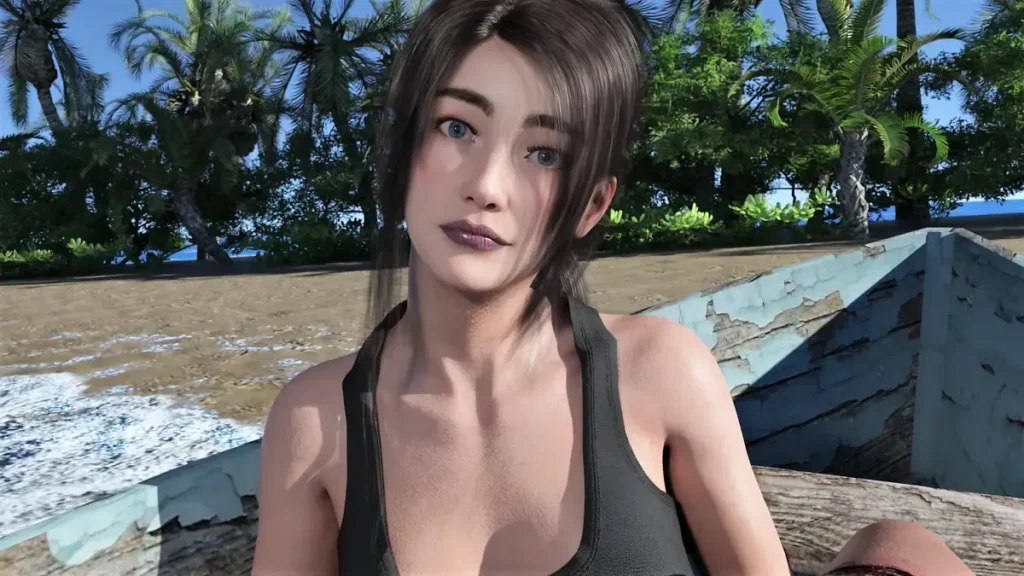
The world of Lost in Paradise is undoubtedly its star. The visual design is a masterclass in supporting tone. This isn’t a hyper-realistic tropical island; it’s a dreamlike impression of one. Artists have used a palette of soft pastels—blushing pinks, muted aquas, and warm golds—that make every frame look like a living painting.
Lighting is everything here. The sun casts long, deep shadows and bathes everything in a hazy, ethereal glow. This creates a sense of timelessness, as if you’re wandering through a cherished but fading memory. The environments, from lonely piers to overgrown gardens, feel authentically weathered and full of untold stories.
This art style does more than please the eye; it directly shapes the Lost in Paradise experience. The calm beauty invites contemplation, while the slight surreal edge—a path that seems to loop, a structure that feels just out of place—subtly reinforces the themes of memory and disconnection. The atmospheric sound design, often just the whisper of waves and wind, completes this immersive, meditative bubble.
In my Lost in Paradise review of the atmosphere, I’d give it top marks. It’s a world that stays with you long after you’ve left it, not because of epic events, but because of how it made you feel: calm, reflective, and beautifully, peacefully lost 🏝️. It’s a poignant reminder that sometimes, the most powerful journeys don’t require a map, just a willingness to look, listen, and feel.
Lost in Paradise offers a quiet, reflective experience that stands out for its mood and storytelling rather than action or challenge. It’s a game that invites players to slow down, explore, and connect with its world on an emotional level. If you enjoy atmospheric, story-driven titles that focus on personal journeys and dreamlike settings, this is definitely one worth experiencing. Give it a try when you’re in the mood for something thoughtful and immersive.