Hero Party Must Fall
Play Hero Party Must Fall
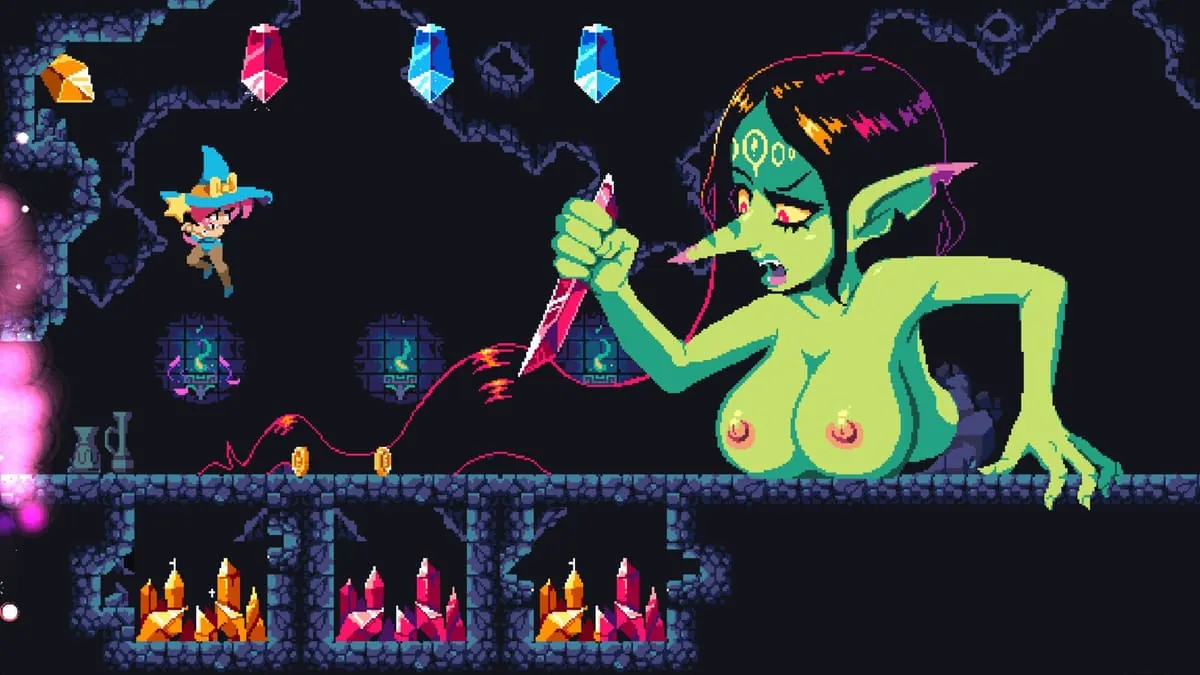
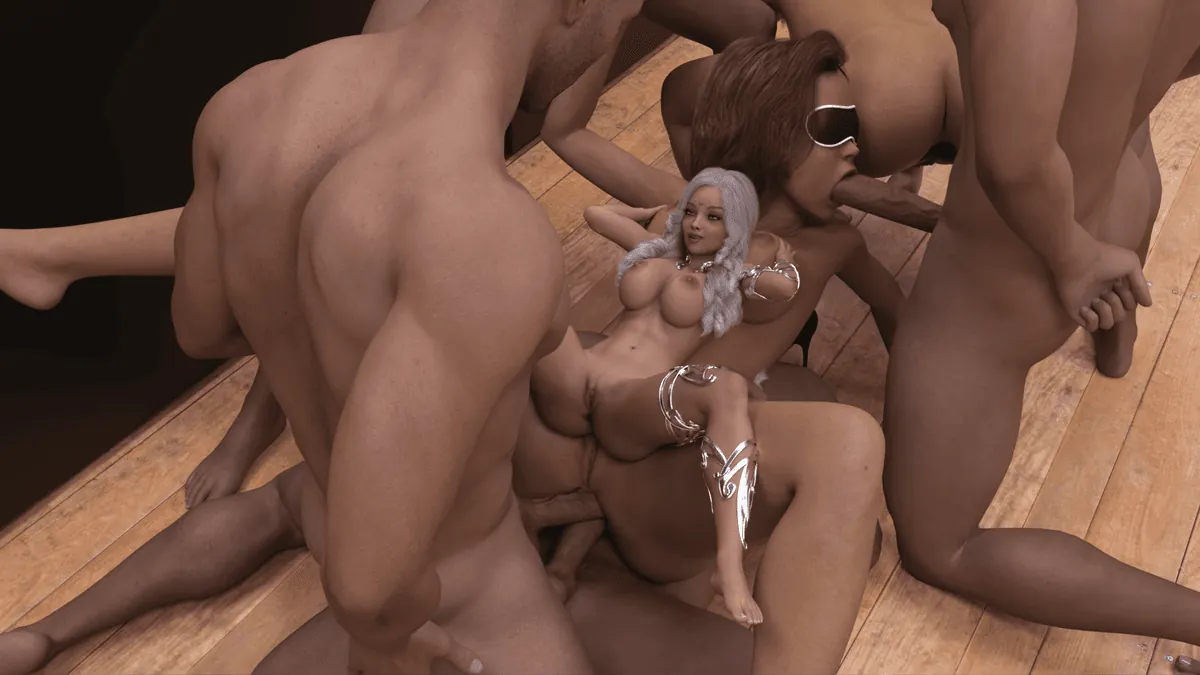
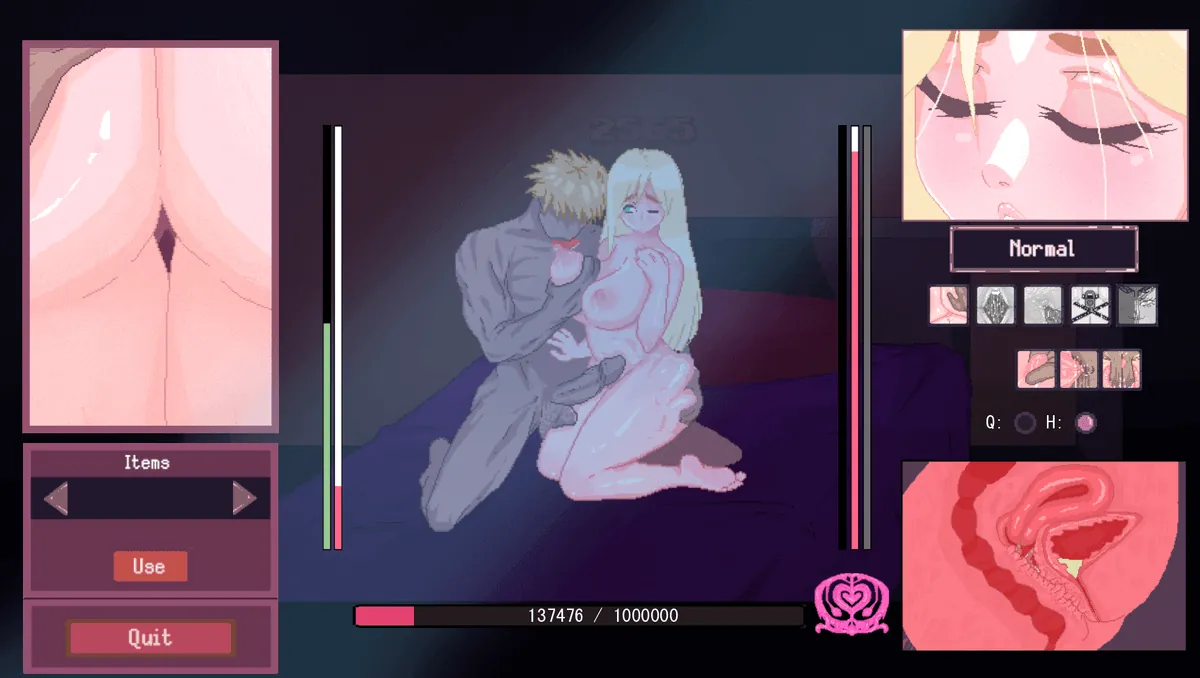
Hero Party Must Fall Screenshots
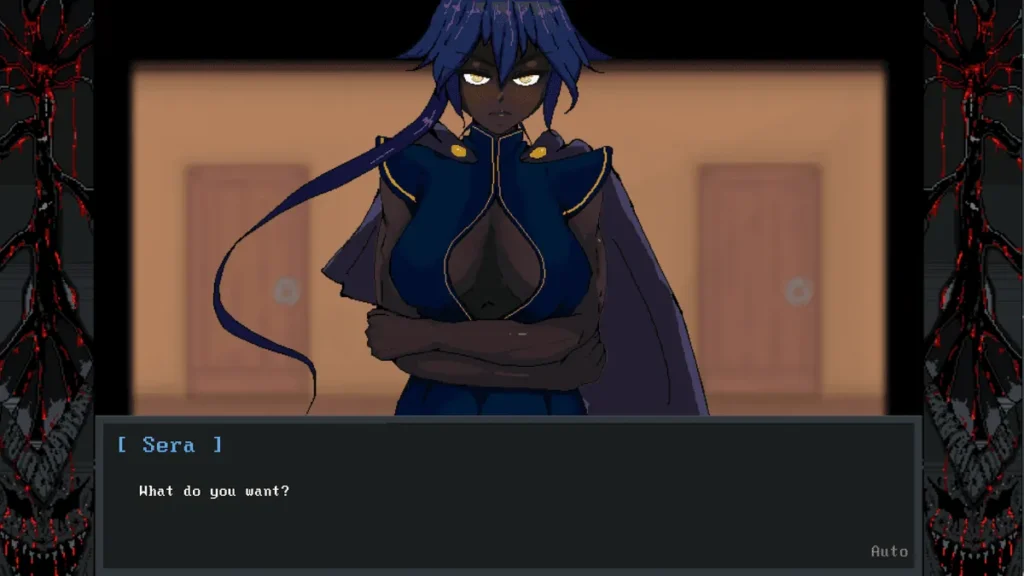
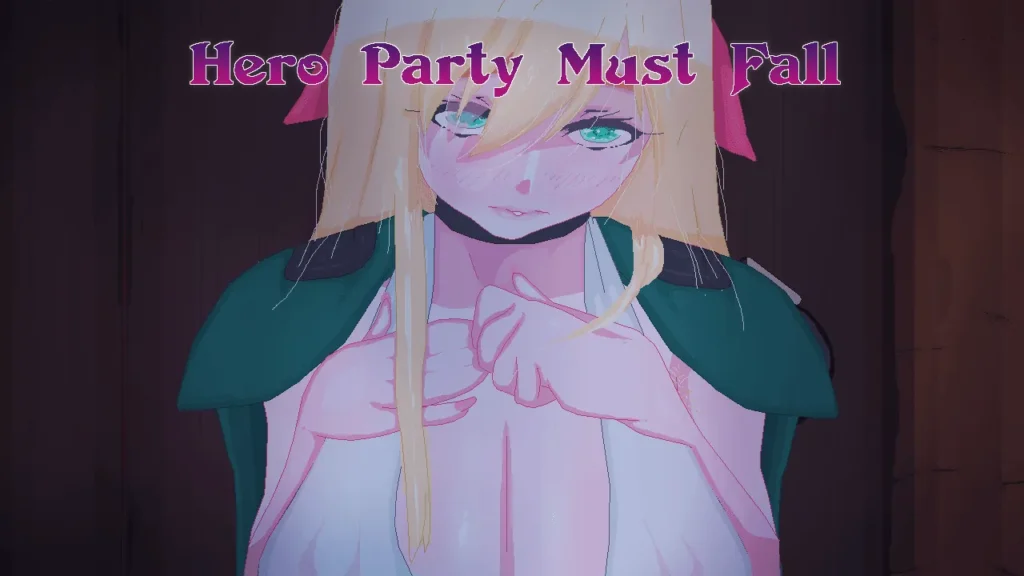
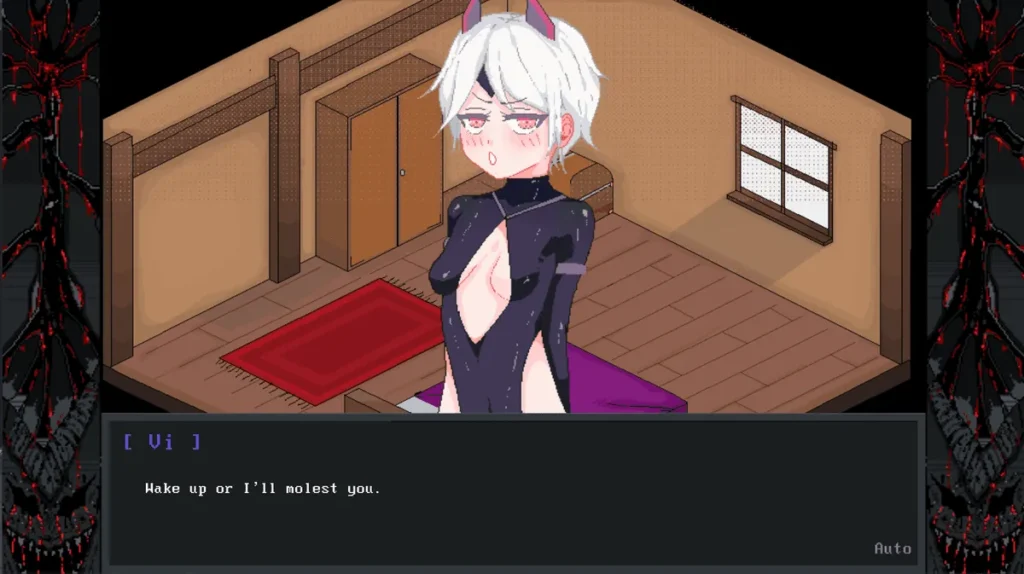
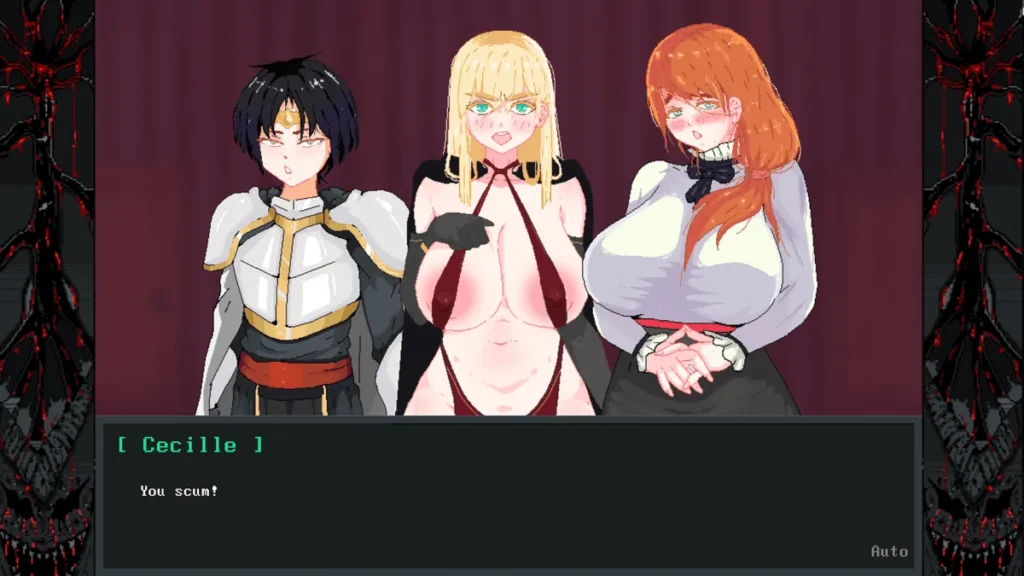
Hero Party Must Fall review
Explore the unique mechanics, character interactions, and strategic elements of this indie adventure title
Hero Party Must Fall is an indie adventure game that offers a distinctive twist on traditional RPG gameplay. Developed by Nitrolith, this title combines dungeon exploration, character relationship building, and strategic decision-making in a way that sets it apart from conventional hero-focused narratives. The game allows players to take on a unique role within a party dynamic, managing resources, training characters, and navigating complex social interactions. Whether you’re interested in understanding the core mechanics, exploring character development systems, or discovering strategic approaches to progression, this guide provides comprehensive insights into what makes this game compelling for players seeking something different from mainstream RPG experiences.
Core Gameplay Mechanics and Systems
Ever felt like you’re just along for the ride in a typical RPG? 🎮 You know the drill: you’re the chosen one, the party hangs on your every word, and the biggest strategic choice is whether to use a potion now or later. Hero Party Must Fall takes that familiar formula, throws it in a dungeon locker, and asks a brilliantly subversive question: what if you’re not the hero? What if your job is to secretly manage the heroes, all while making sure they spectacularly fail without ever suspecting you? 🤫 This indie adventure flips the script, and its core gameplay mechanics are a masterclass in deceptive strategy.
Let’s pull back the curtain on this deliciously clever game. We’ll break down everything from your unique role as the party’s “supporter” to the intricate systems that let you subtly sabotage their destiny. Get ready to explore the party dynamics and player role, master resource management systems, and devise cunning character development strategies. This is your guide to becoming the ultimate behind-the-scenes mastermind.
Understanding the Party Dynamics and Player Role
Forget swinging a legendary sword or casting world-ending spells. Your power in Hero Party Must Fall is far more subtle and infinitely more satisfying. Your official title is the Party Quartermaster, but think of yourself as the puppet master. 🧵 The “heroes”—Valerius the stubborn knight, Elara the arrogant mage, and others—see you as a glorified pack mule and logistics coordinator. They’re the stars; you’re the help.
This unique party dynamics and player role is the game’s brilliant foundation. You don’t control them in combat directly. Instead, your influence is everything around the combat. You equip them, you train them, you prepare their expeditions. And within each of those systems lies a myriad of opportunities to, let’s say, “adjust” their chances of success. It’s a constant dance of maintaining appearances while undermining their efforts.
I learned this the hard way in my first playthrough. I thought I could play it straight, be a good quartermaster. I gave Valerius the best sword I could find, trained everyone diligently, and sent them off to a minor forest dungeon. They returned triumphant, laden with loot, and their egos—and my own workload—ballooned. 😩 I realized then that success was my enemy. The game rewarded me with more demanding tasks from an increasingly confident (and obnoxious) party. The core strategic loop became clear: visible compliance, hidden sabotage.
Your interactions are a web of dialogue choices, task management, and resource allocation. Do you spend your limited gold on a shiny new helmet that looks impressive but offers little real protection? Do you “accidentally” pack insufficient healing items for a long delve? Every decision shapes the party dynamics and player role, allowing you to carefully erode their competence while keeping your cover intact. It’s a psychological game as much as a strategic one, and it makes you feel brilliantly sinister.
Resource Management and Reward Systems
If the party dynamics are the stage, then resource management systems are the props and pulleys you use to direct the play. Gold, crafting materials, and equipment aren’t just tools for progression; they’re instruments of controlled chaos. 💰🛠️
Gold is your primary currency, earned mostly from the spoils of dungeon expeditions (more on those soon!). You’ll spend it at the town’s shops on gear, supplies, and training hall fees. The twist? You’re in charge of the purse strings. Do you invest in that expensive, fragile crystal armor for Elara that shatters after one solid hit? Or do you buy the cheap, rusty sword that’s more likely to snap than slay? Budgeting for failure is a unique and perversely enjoyable challenge.
Materials and Equipment come from dungeon loot. Successful runs bring back more and better loot, which is a double-edged sword. Better gear can make the party look stronger, allowing you to send them into more dangerous situations where failure has greater consequences. I once used a haul of rare mythril to craft beautifully ornate, yet statistically mediocre, weapons. The party felt invincible marching into a dragon’s den… and the results were, for my secret goals, perfectly disastrous. 🐉
The dungeon expeditions and rewards system is the core engine of this economy. You select a destination from the guild board, each with a difficulty rating and potential loot table. You then prepare the expedition kit: weapons, armor, healing potions, and camping supplies. This is your main point of sabotage.
Pro Tip: “Forgetting” to pack enough Camping Kits is a classic move. It means the party arrives at the boss already exhausted, suffering significant stat penalties.
A successful expedition returns the party with resources and gold, but also boosts their confidence and renown. A failed expedition, however, can result in lost equipment, injuries that require costly rest days, and a serious blow to party morale. Balancing occasional, plausible successes with devastating failures is key to managing the resource management systems without raising suspicion.
To give you a clear picture of how these interconnected systems stand, here’s a breakdown of their current state in the game’s development:
| Gameplay System | Core Function | Development Status |
|---|---|---|
| Dungeon Expedition & Loot | Primary source of resources and failure events. | Fully Functional |
| Shop & Inventory Management | Spending gold, purchasing gear and supplies. | Fully Functional |
| Training Session Minigames | Core method for stat progression via player skill. | Partially Functional (2/4 live) |
| Character Relationship Dialogues | Influence party morale and interactions. | Fully Functional |
| Advanced Crafting & Enchanting | Creating custom, sabotage-ready gear. | In Development |
| Extended Dungeon Variants | More complex expedition types with multi-stage goals. | Planned |
Training Sessions and Character Progression
This is where your hands-on sabotage truly shines. Training sessions and character progression in Hero Party Must Fall are active, engaging, and packed with strategic depth. You don’t just click a “train” button and watch numbers go up. You directly participate in stamina and minigame mechanics that determine how well—or how poorly—your “heroes” improve.
When you send a party member to train, you engage in a small, skill-based minigame. For example, Valerius’s strength training might be a timing-based game where you swing a log. Succeed perfectly, and he gains a solid stat boost. Perform poorly, and the gains are minimal, or he might even strain a muscle, applying a temporary debuff. 😅 It’s a genius system that directly ties your player skill to their progression, in both directions.
Currently, two of the four planned training minigames are fully implemented and incredibly polished. The Stamina Management aspect is crucial here. Each character has a stamina bar that depletes during training and recovers over time (faster if they are resting in town after a failed expedition, hint hint). Pushing them to train while exhausted guarantees poor results and increases injury risk, a perfect character development strategy for the discerning saboteur.
Position mechanics add another layer. Some training exercises are more effective from certain stances, which you can influence. Recommending an “advanced” but unstable position for Elara’s mana control exercises might lead to magical feedback, slightly draining her max MP instead of increasing it. It’s all about the plausible accident.
To master the art of guided failure, follow this step-by-step guide for optimizing your training sessions and character progression:
- Assess the Target: Identify which hero is becoming too competent or too popular with the group. This is your primary focus for “corrective” training.
- Manage Stamina: 🥱 Wait until their stamina is below half before initiating a training session. This lowers the baseline for success and increases the chance of penalties.
- Choose the Minigame: Select the training type for the stat they least need for the next planned expedition. Improving a mage’s strength before a puzzle-based dungeon is a wonderful misallocation of effort.
- Execute with “Intent”: During the minigame, aim for a mediocre score. Not so bad it looks intentional, but not good enough for meaningful gains. Practice makes imperfect!
- Blame the Equipment or Technique: Use the dialogue options afterward to suggest the failure was due to “faulty practice gear” or “a flawed understanding of the advanced technique,” subtly denting their confidence for next time.
By intertwining stamina and minigame mechanics with your long-term goals, you craft a narrative of a party that’s chronically unlucky, poorly coordinated, or just not as talented as they think they are. This hands-on approach to character development strategies is what sets Hero Party Must Fall apart. You’re not just managing stats; you’re crafting a story of believable decline, one botched training session at a time.
The beauty of Hero Party Must Fall gameplay mechanics lies in how all these systems—the deceptive party dynamics, the cunning resource management, and the hands-on training sessions—interlock. Every piece of gear you buy, every dungeon kit you prepare, and every minigame you play is a move in a grand, unspoken strategy. It’s a game that rewards cleverness over brute force, and narrative manipulation over simple power-leveling. Whether you’re orchestrating a flawless disaster in a dragon’s den or simply ensuring your knight trips over his own two feet during sparring, the power is in your hands. The party must fall, and you, the humble quartermaster, hold all the strings to make it happen. 🪢
Hero Party Must Fall stands out as a unique indie title that reimagines traditional RPG structures through innovative gameplay systems and character interaction mechanics. The game’s combination of dungeon exploration, strategic resource management, and character development creates an engaging experience that appeals to players seeking something beyond conventional hero narratives. While some gameplay elements remain in development, the core systems demonstrate thoughtful design and player agency. As the game continues to evolve with regular updates, players can expect expanded minigames, additional character events, and refined mechanics that deepen the strategic experience. Whether you’re drawn to the relationship-building aspects, the resource management challenges, or the unique party dynamics, Hero Party Must Fall offers a compelling adventure that rewards exploration and strategic thinking. Keep an eye on future updates to see how the developers expand and refine these engaging systems.