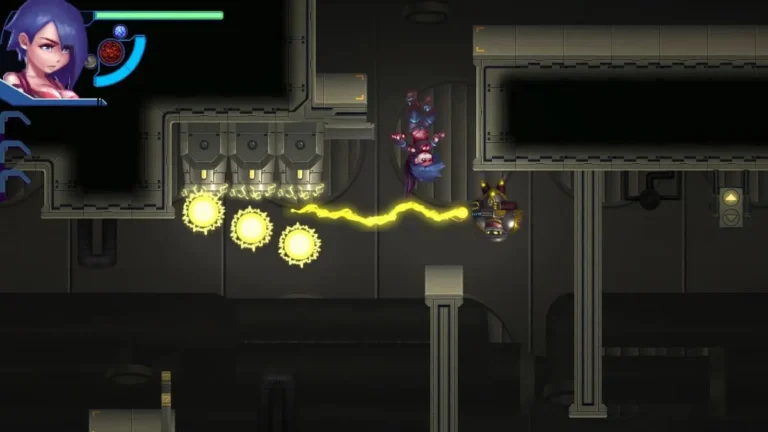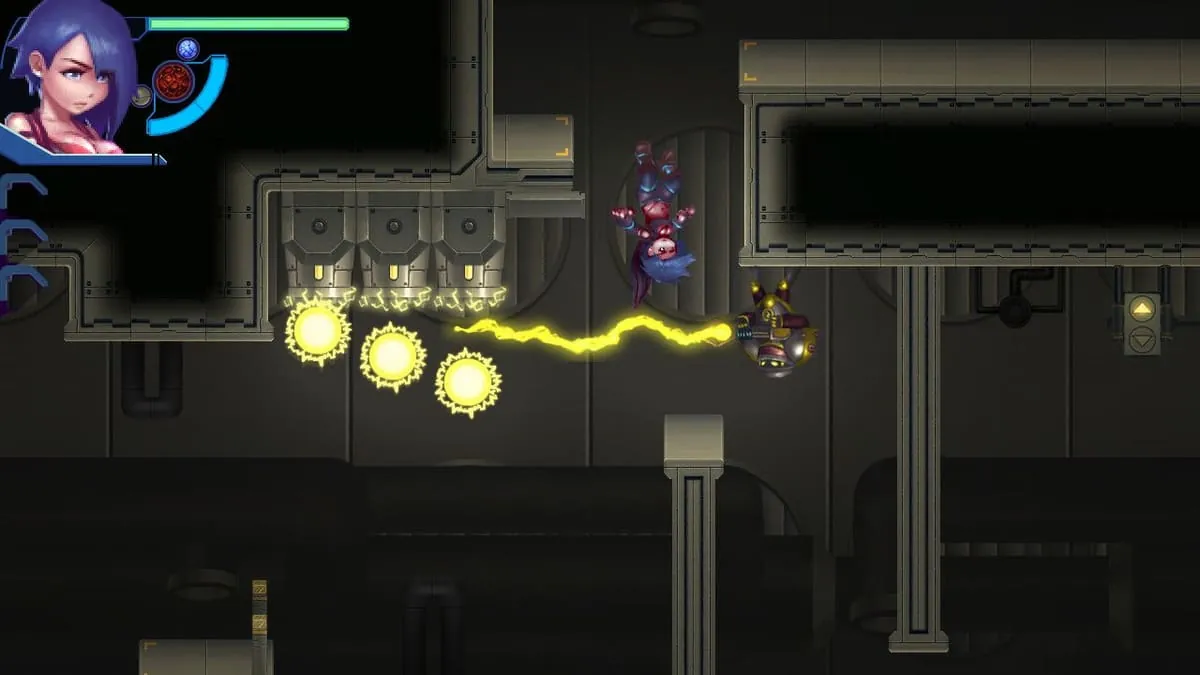
Future Fragments Screenshots
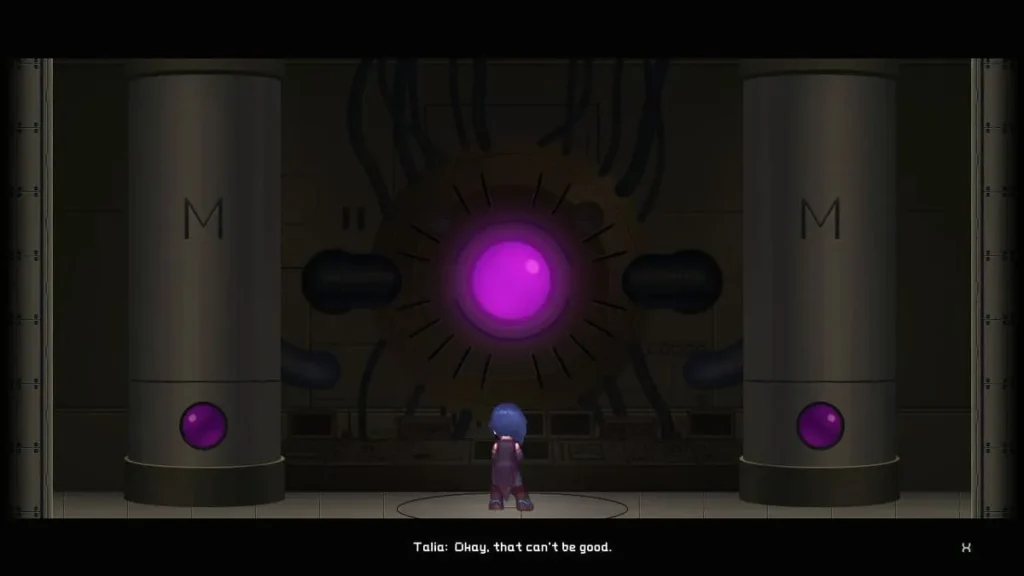
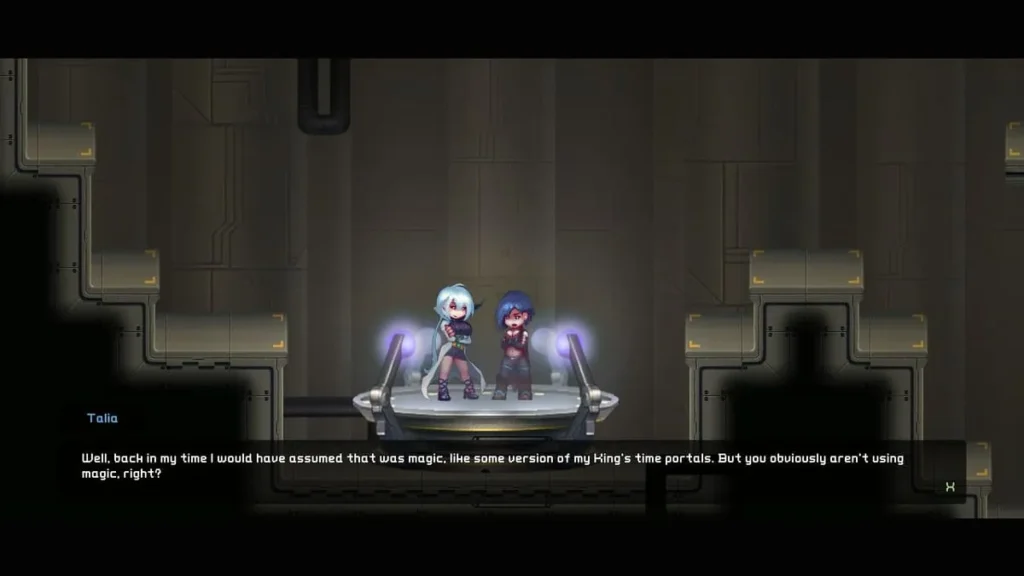
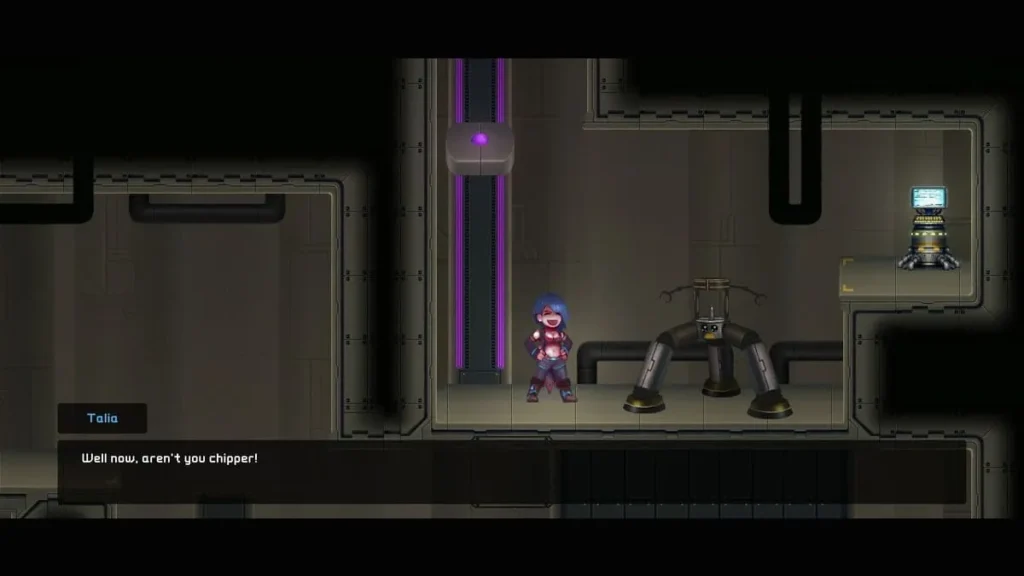
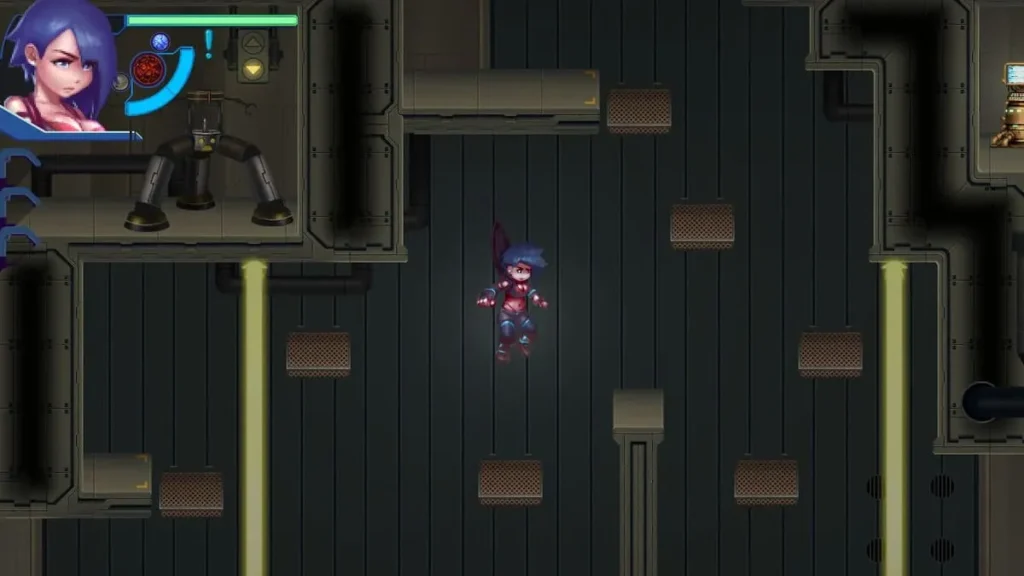
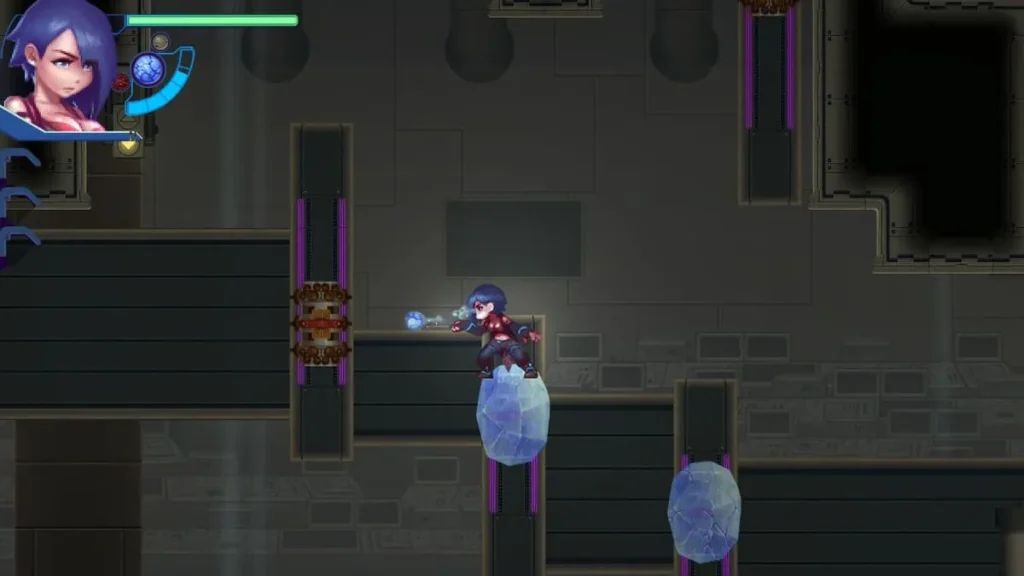
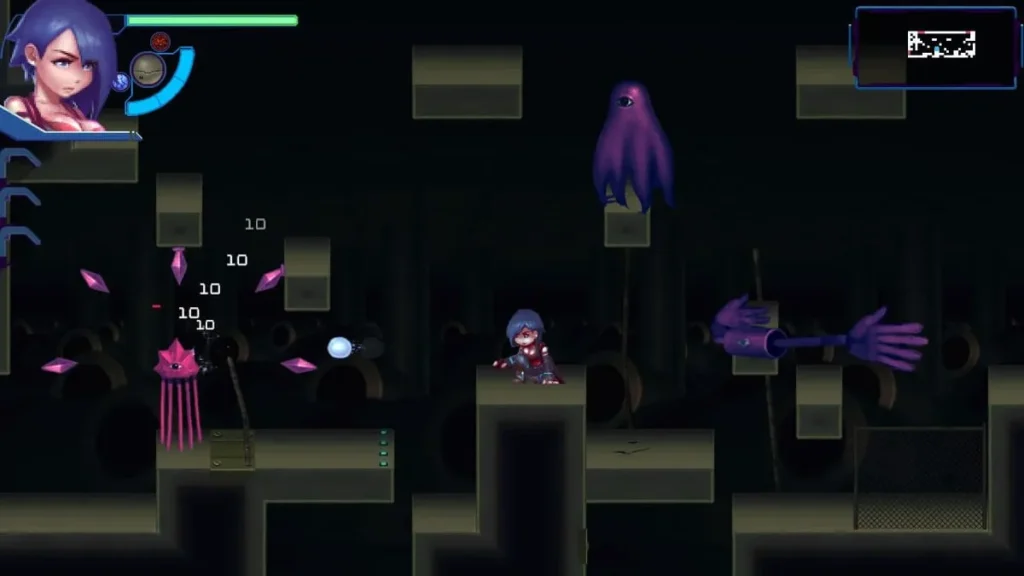
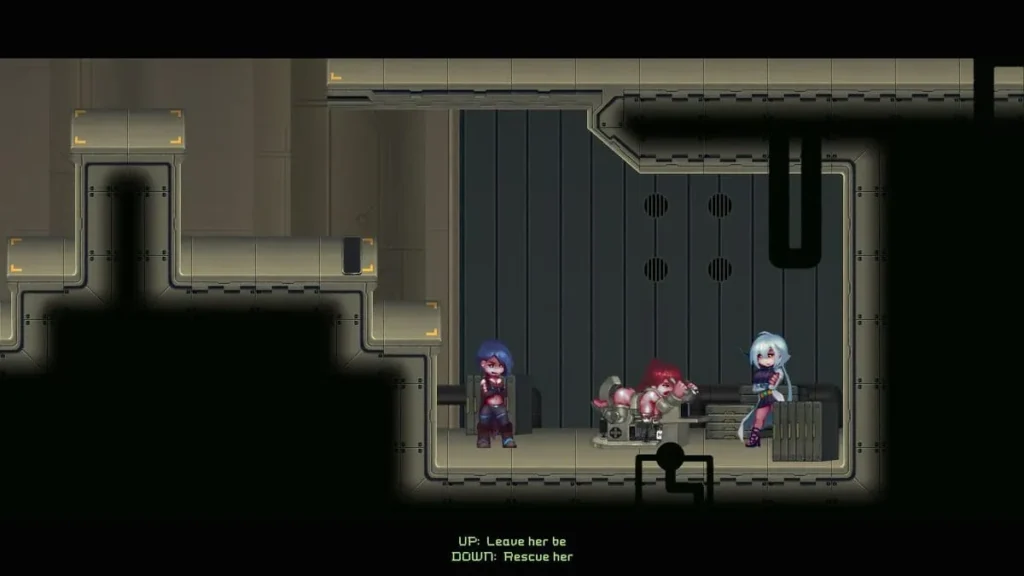
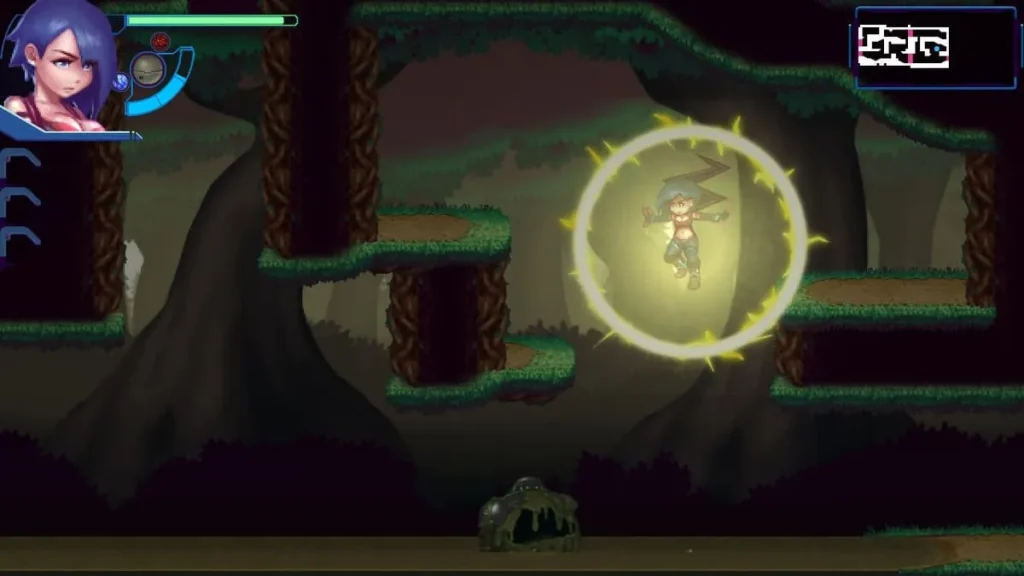
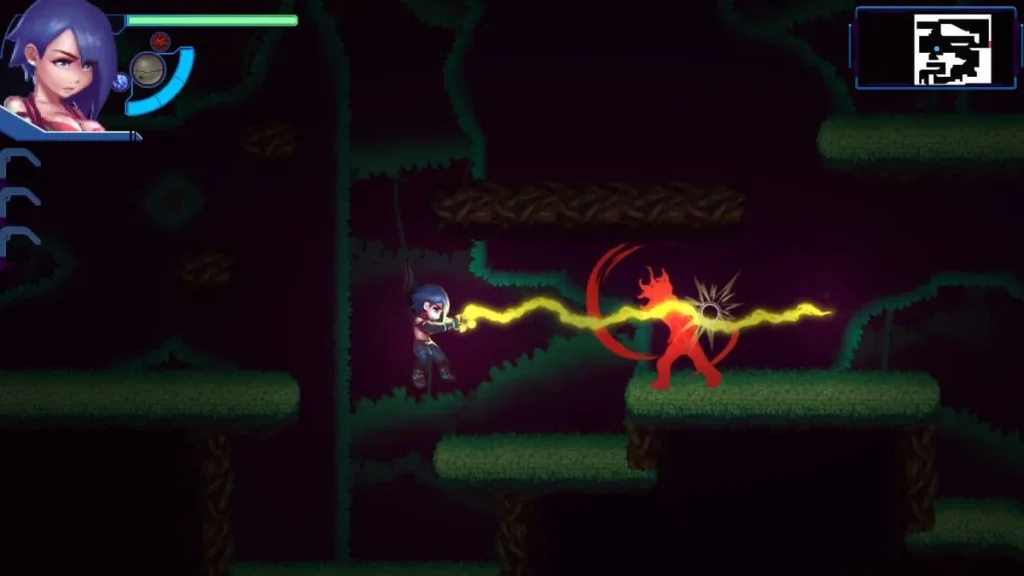
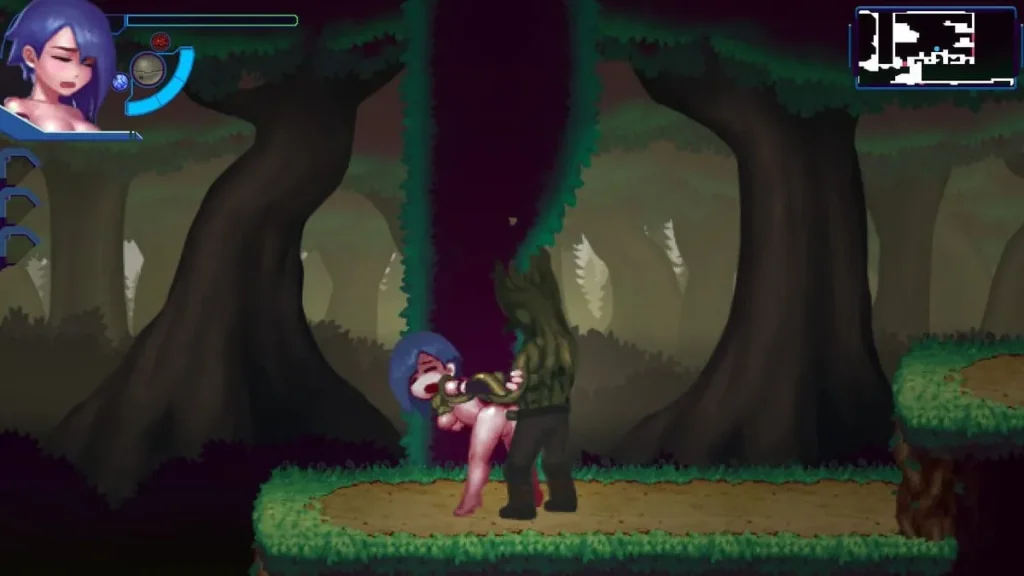

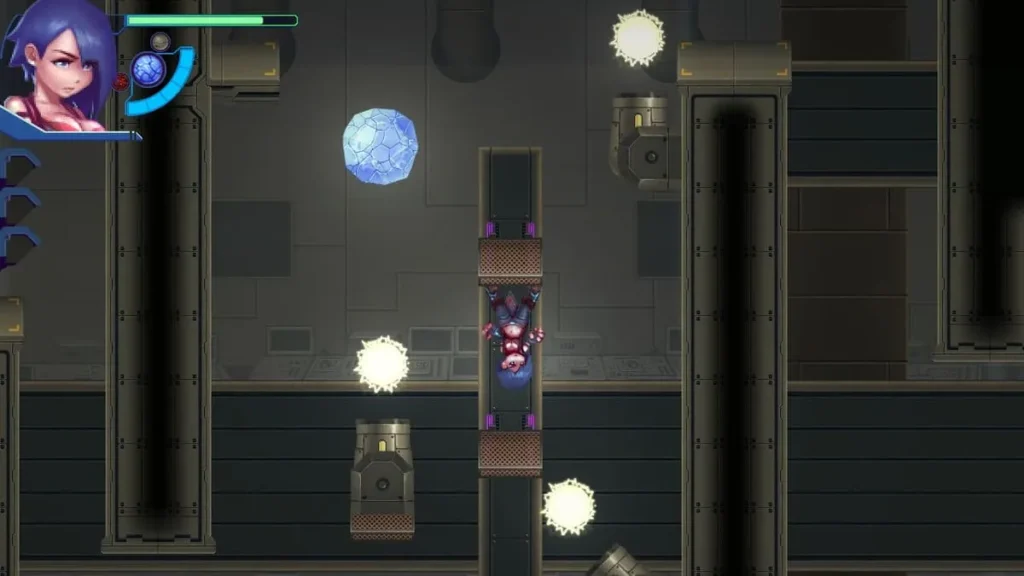
Future Fragments review
Explore the action-platformer RPG hybrid with branching narratives and player choice
Future Fragments stands out as a modern action-platformer RPG hybrid that blends multiple genres into a cohesive gaming experience. Developed by HentaiWriter, TriangulatePixels, and FrougeDev, this title transports players to a magical kingdom facing existential threats in the year 1000. The game distinguishes itself through its branching storyline where player choices genuinely impact narrative outcomes, English voicework, and genre-mixing gameplay mechanics. Whether you’re interested in understanding the game’s unique mechanics, character development systems, or narrative structure, this guide provides everything you need to know about what makes Future Fragments a compelling gaming experience.
Understanding Future Fragments: Game Overview and Core Mechanics
So, you’ve heard the buzz about Future Fragments and you’re wondering what all the fuss is about? 🎮 Let me paint you a picture. You boot up this game expecting a slick action-platformer, but within the first hour, you’re making a choice that genuinely stops you in your tracks. Do you save a civilian trapped under rubble, costing you precious time and a health kit, or do you press on toward your mission objective? I chose to save them on my first run, and two hours later, that character’s brother showed up to unlock a secret path for me. That’s when I realized Future Fragments isn’t just playing with a gimmick—it’s built a whole world where your decisions carve the path forward.
At its heart, Future Fragments is a passion project brought to life by a dedicated three-person team, and it shows in every carefully crafted detail. It’s set in a stunning, yet beleaguered, magical kingdom on the brink of collapse. You don’t just run and gun through levels; you live a story where every jump, every combat encounter, and every conversation is a thread in a larger tapestry you’re weaving yourself. This action-platformer RPG hybrid takes the tight controls and challenge of a classic platformer and brilliantly marries them with deep role-playing systems and a story that bends to your will. Forget what you know about linear adventures; this is a narrative-driven platformer where you hold the pen.
What Makes Future Fragments a Unique Gaming Experience?
What separates Future Fragments from the crowd isn’t just one feature, but a powerful fusion of elements you rarely see together. 🧩 First, there’s the sheer audacity of its genre-mixing game design. It’s not a platformer with a few RPG stats tacked on; it’s a true synthesis where each part feeds into the others. The Future Fragments mechanics are designed to make your playstyle feel uniquely yours, whether you prefer agile evasion or brute force.
Then, there’s the narrative ambition. The branching storyline gameplay is the game’s north star. We’re not talking about cosmetic dialogue changes or a different ending slide. We’re talking about entire zones, bosses, allies, and story arcs that can be completely altered, missed, or unlocked based on a cascade of decisions both big and small. This player choice mechanics system is woven into the very fabric of exploration and combat.
Finally, the presentation elevates everything. The game features full English voicework for its core cast, which is a massive standout for a project of this scale, bringing a surprising level of depth and personality to your companions and foes. It’s important to note that Future Fragments carries an adults-only rating, dealing with mature themes and intense situations that complement its serious, high-stakes story. This isn’t a whimsical fairy tale; it’s a gritty fight for survival in a beautiful, dying world.
When you start the Future Fragments game, expect to be challenged, not just by enemies and jumps, but by your own morals and strategy. You’ll manage resources, build relationships, and constantly wonder, “What if I had chosen differently?” That question is the engine for the game’s incredible replayability.
Genre-Mixing Gameplay: How Action, Platforming, and RPG Elements Combine
The magic of Future Fragments lies in how seamlessly its parts work together. This isn’t a layer cake of genres; it’s a smoothie. 🍹 Each sip gives you a taste of everything. The action-platformer RPG hybrid label is a promise the game keeps from the very first moment.
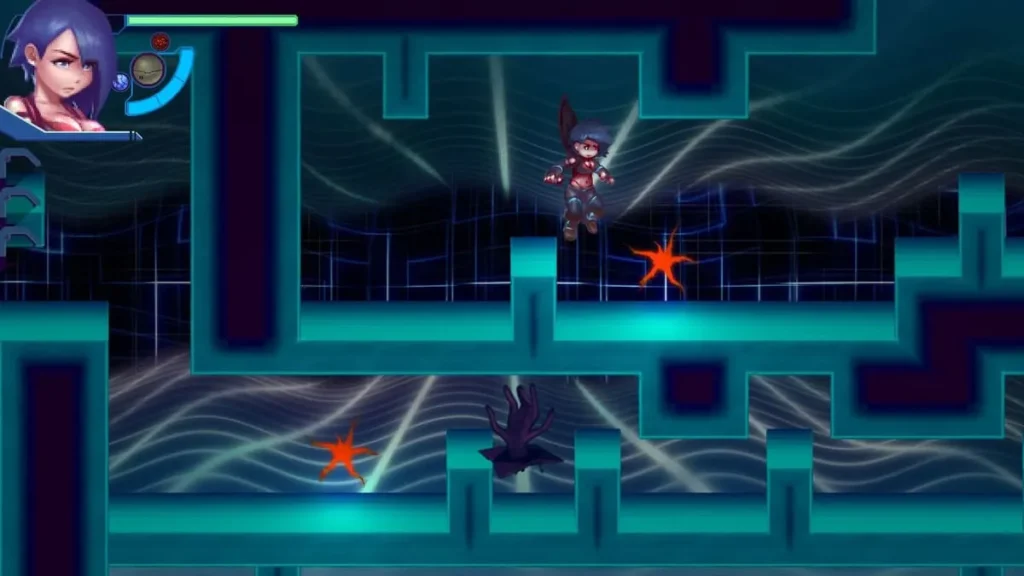
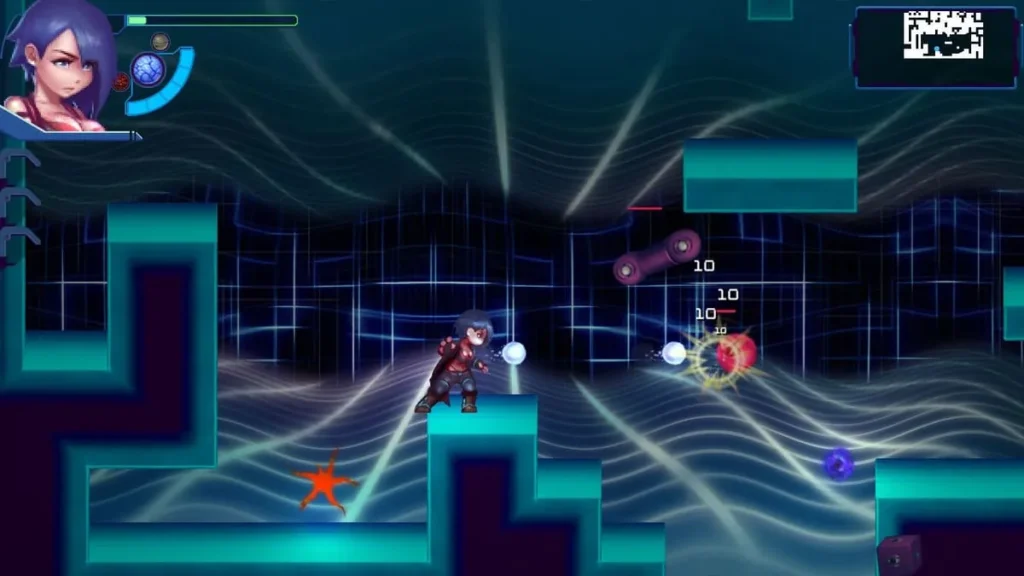
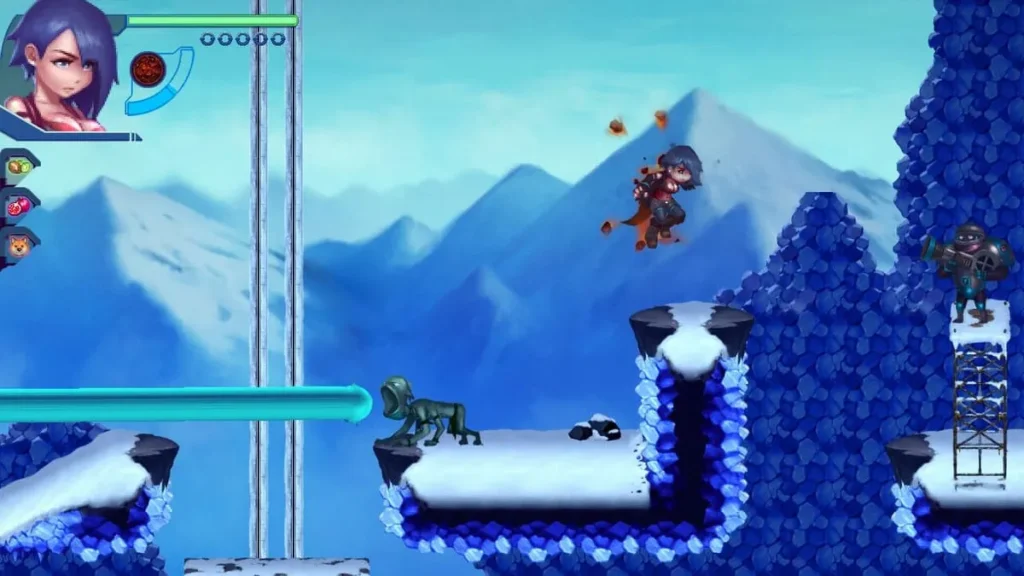
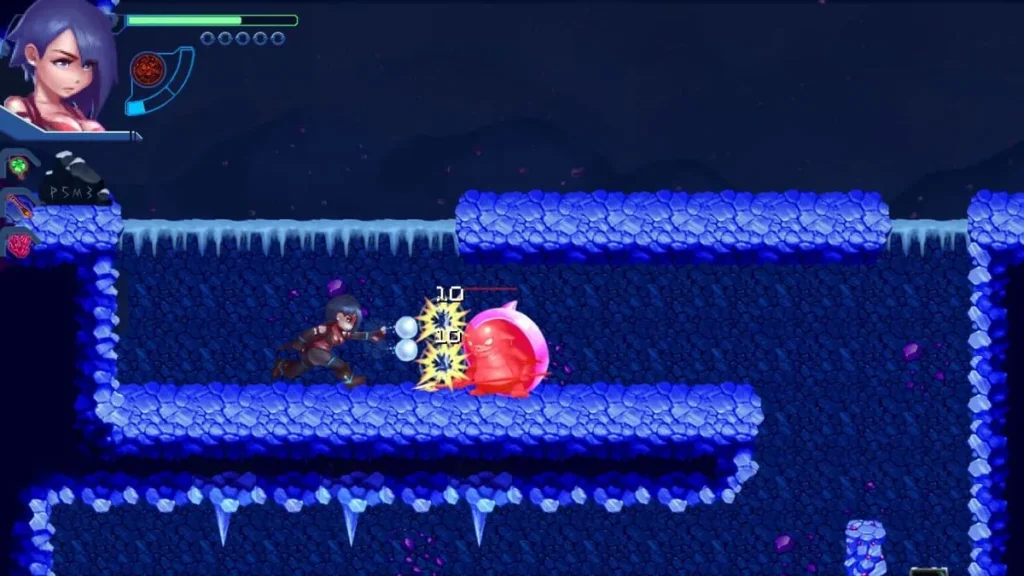
The action is fast, fluid, and demands precision. You have a versatile moveset with melee combos, ranged attacks, and special abilities that feel impactful. Enemy patterns require you to learn and adapt, making every encounter a test of skill. The platforming is equally demanding, with expertly designed levels that integrate traversal challenges directly into the combat flow. You might be dodging laser grids one second and wall-jumping over a chasm while returning fire the next.
Where the Future Fragments game truly evolves the formula is with its RPG heart. As you progress, you earn experience and resources to upgrade your character in meaningful ways. This isn’t just “more health” or “stronger attack.” You can invest in skill trees that fundamentally change how you play. Prefer a stealthier approach? Unlock abilities for silent movement and backstab bonuses. Want to go in guns blazing? A different tree enhances your area-of-effect damage and defensive shields. Your build directly influences which narrative and exploration options are even feasible for you.
To visualize how this fusion works in practice, let’s break it down:
| Genre Pillar | Core Mechanic in Future Fragments | Gameplay Example |
|---|---|---|
| Action | Real-time combat with combos, dodges, and weapon switching. | Engaging a shielded enemy by first using a plasma whip to break their guard (melee), then quickly switching to energy pistols (ranged) to finish them off before rolling away from their allies’ counter-attack. |
| Platforming | Precision jumping, wall-running, and environment-based traversal. | Navigating the “Fading Spire” level requires chaining a dash-jump off a crumbling platform to a wall-run, followed by a grapple-hook swing over a bottomless pit, all while energy bolts are fired at you. |
| RPG | Character progression, stat allocation, and narrative skill checks. | Investing skill points into “Technomancy” unlocks the “Hack Console” ability. This now allows you to bypass a heavily guarded security door in the Tech-District, revealing a hidden questline with a faction you would have otherwise had to fight. |
This cohesive genre-mixing game design means your brain is always engaged on multiple levels. You’re not just executing reflexes; you’re thinking about resource management, build synergy, and how your current actions might open or close doors for you story-wise down the line. It’s a wonderfully dense and satisfying loop that makes the world of Future Fragments feel alive and reactive.
The Role of Player Choice in Shaping Your Story
This is where the Future Fragments game transitions from being a great hybrid to a truly memorable experience. The player choice mechanics here have real teeth. 🐺 Every major narrative beat, and many minor ones, present you with options that send ripples through the entire campaign. The branching storyline gameplay ensures that no two players will have an identical journey.
Choices range from grand, ethical dilemmas to seemingly minor interpersonal moments. Helping a stranded merchant might give you a discount for the rest of the game, but it also might mark you as a “soft touch” to more predatory characters later. Conversely, a ruthless decision to seize resources by force could grant you a powerful weapon early on but will turn entire factions against you, locking you out of peaceful solutions and companion storylines.
The genius of the Future Fragments mechanics is that these choices are often timed or tied to your in-game abilities. You might need a high enough “Charisma” stat to persuade a guard, or a specific “Archaeology” skill to decipher an ancient warning, letting you avoid a trap. This ties the RPG progression directly back into the narrative, making your build choices part of your storytelling.
Personal Insight: On my second playthrough, I decided to play a cynical, efficiency-focused character. It was shocking how different the game felt. Areas I previously explored through diplomacy were now war zones. Characters who were friends became reluctant allies or outright enemies. It felt like a completely different game built on the same map.
Let’s look at a concrete example of how an early choice can spiral:
The Example: The Wounded Scout
In the second chapter, you encounter a scout from a neutral faction, the “Ironwood Wardens,” who is badly injured. You have a limited medical supply.
* Choice A (Spend Medkit): You use one of your precious medkits to stabilize her. This costs a resource you might need for an upcoming boss.
* Choice B (Give Basic Aid): You offer some rudimentary help but save your medkit for yourself.
* Choice C (Ignore/Threaten): You demand information and leave her, or take her supplies.
The Consequences:
* If you chose A, the scout survives and reports your kindness to the Ironwood Wardens. Later, when you need to cross their heavily fortified forest, they recognize you as a friend. You gain safe passage, access to their unique vendor with rare gear, and the scout herself may appear later as a temporary AI companion in a tough fight.
* If you chose B, she survives but is wary. The Wardens remain neutral. The forest becomes a stealth/puzzle section to avoid patrols. You miss the vendor and the potential ally.
* If you chose C, she dies or becomes hostile. The Wardens declare you an enemy. The forest level becomes a relentless combat gauntlet against elite hunters. Any quests related to this faction are permanently failed, but you might loot unique gear from the enemies you now have to fight.
This is just one decision. Imagine this level of consequence woven throughout a 20+ hour adventure. The branching storyline gameplay creates a powerful sense of ownership over your story. You’re not watching a tale unfold; you’re arguing, bartering, fighting, and empathizing your way through it. The narrative-driven platformer truly earns its title, as the story is the primary driver for your exploration and combat.
When you combine this profound narrative flexibility with the tight, rewarding genre-mixing game design, you get an experience that stands out in a crowded field. Future Fragments is more than the sum of its parts. It’s a testament to what a small, passionate team can achieve with a clear vision: a world that feels alive, challenges that test both your thumbs and your conscience, and a story that is, without question, your own. It’s a game that doesn’t just want to be played once; it demands to be lived through multiple times, each run a new fragment of a possible future. ✨
Future Fragments represents a thoughtful approach to genre-blending game design, successfully merging action-platformer mechanics with meaningful RPG progression and a narrative structure where player choices genuinely matter. The game’s setting in a magical kingdom threatened by the oppressive WORM system provides a compelling backdrop for exploring themes of individual freedom, resistance, and personal agency. Through characters like Talia, Faye, and Vie, players experience character development that responds to their decisions, creating multiple narrative paths and encouraging replay value. The combination of combat sequences, platforming challenges, and story-driven moments creates a balanced gameplay experience that appeals to players seeking both mechanical challenge and narrative depth. Whether you’re drawn to the game’s unique genre fusion, its branching storyline, or its thematic exploration of control and freedom, Future Fragments offers a distinctive gaming experience that stands apart from traditional platformers and action games. For players ready to engage with mature storytelling and meaningful choice-driven gameplay, Future Fragments delivers a memorable adventure worth experiencing.