Desert Stalker
Play Desert Stalker
Desert Stalker Screenshots



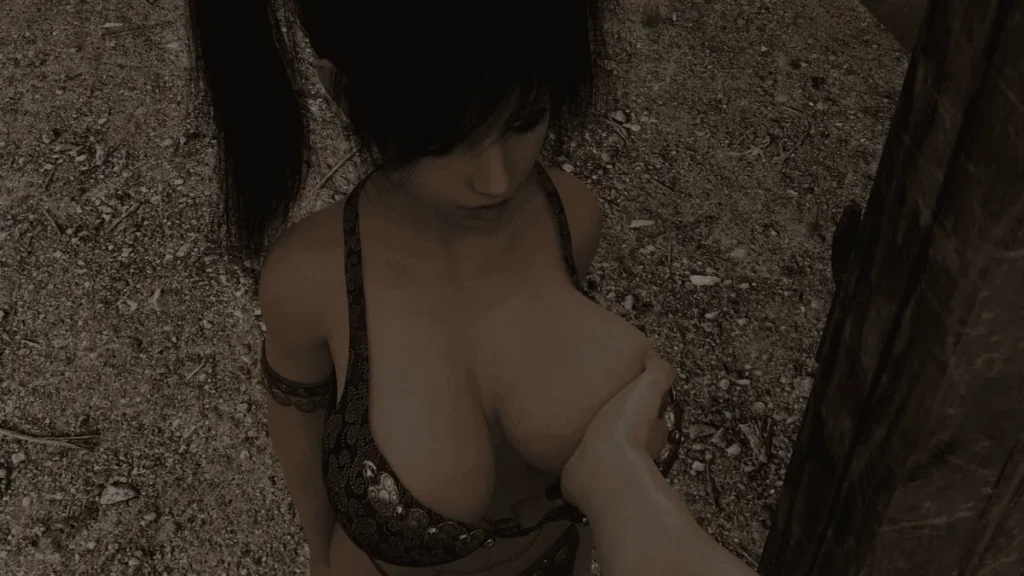
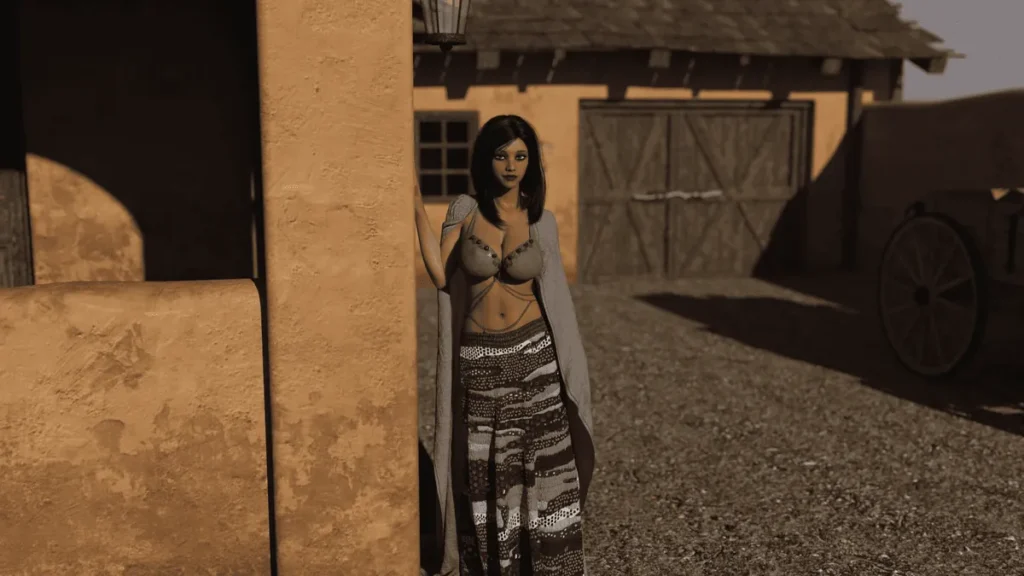

Desert Stalker review
Explore gritty choices, harem dynamics, and immersive storytelling in this standout visual novel
Ever stumbled into a game that hooks you with a brutal post-apocalyptic world, meaningful choices, and steamy encounters? That’s Desert Stalker for you. As a seasoned scavenger in the ruins of Egypt, you hunt rare artifacts that could reshape your fate. I remember my first playthrough—uncovering that game-changing relic flipped my whole strategy, leading to intense relationships and moral dilemmas. This visual novel blends gritty dystopian adventure with harem-building elements, free-roam exploration, and cinematic immersion. Whether you dominate the wasteland or build tender bonds, Desert Stalker delivers a personalized erotic tale. Dive in to discover why players rave about its story depth and polish.
What Makes Desert Stalker Stand Out in Post-Apocalyptic Gaming?
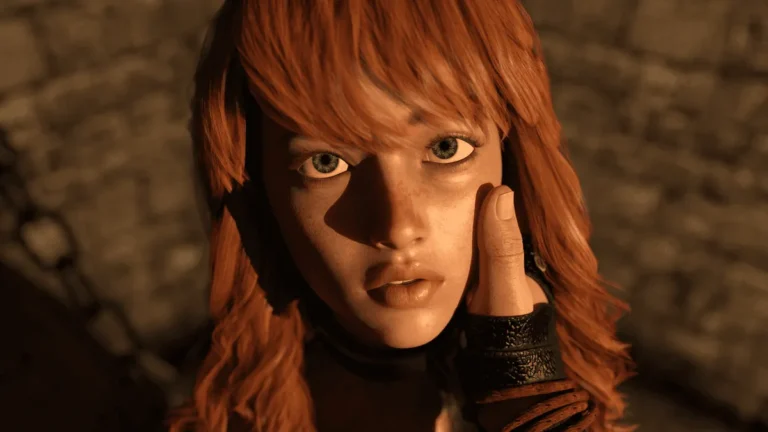
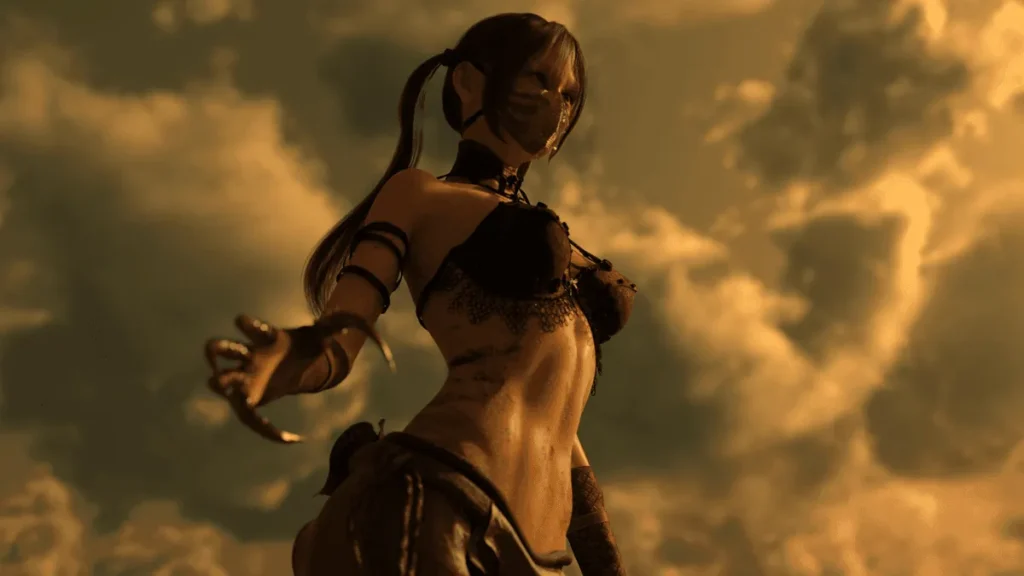
I’ll be honest, I almost scrolled right past it. 🏜️ Another post-apocalyptic game in a sea of gritty, gray-brown worlds. But something about the screenshot—a stunning render of a scavenger standing against a vibrant, sun-bleached Egyptian ruin—made me pause. That’s how I discovered Desert Stalker, and frankly, it redefined what I thought a post-apocalyptic visual novel could be. It wasn’t just another story about survival; it was an invitation to live a life of consequence in a beautifully shattered world.
If you’re wondering what is Desert Stalker at its core, let me put it this way: it’s the feeling of sand in your boots, the weight of a rare artifact in your pack, and the heavy silence before you make a choice that will change someone’s life. You are the Stalker, a hunter and scavenger navigating a fantastical version of post-cataclysm Egypt. This isn’t a passive read; it’s an immersive experience built on stunning Daz3D visuals, a gripping narrative, and a profound sense of agency. You’re not just following a story—you’re carving your own path through the dunes.
Why Choose Desert Stalker Over Other Visual Novels?
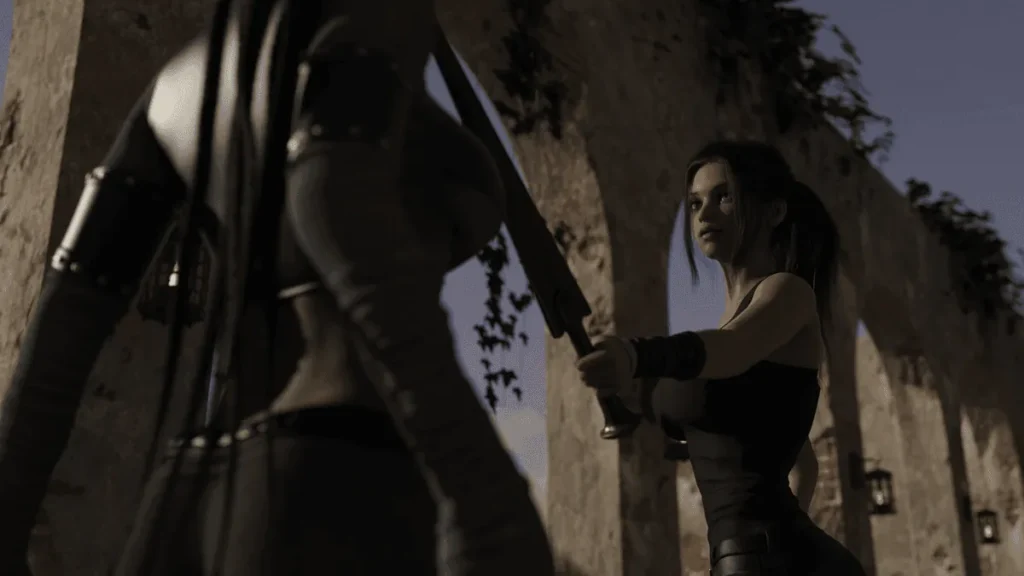
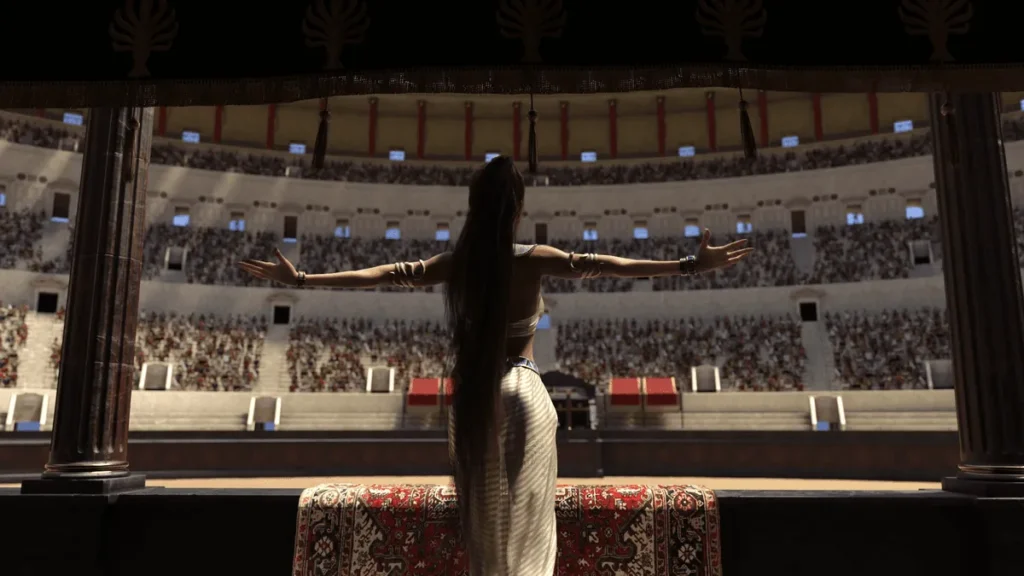
So, why does this game deserve your time in a crowded genre? 🎯 It comes down to polish, purpose, and player freedom. Many visual novels offer choices, but few make them feel as tangible and impactful as Desert Stalker gameplay does. From the moment you start, the quality is evident. The renders are cinematic, the lighting is dramatic, and the character models are expressive, conveying emotion without a single line of voice acting. The soundtrack and sound effects do the heavy lifting, creating an atmosphere so thick you can almost feel the desert heat.
But the real magic is in its construction. The developer has masterfully blended two styles: linear, cinematic story sequences that push the epic narrative forward, and a no-grind, open-ended exploration system. You’re never forced to endlessly click through repetitive tasks. Instead, the Desert Stalker free roam segments are about meaningful discovery, finding Desert Stalker artifacts, taking on side quests for factions, and building relationships at your own pace. It respects your time while offering deep, optional content.
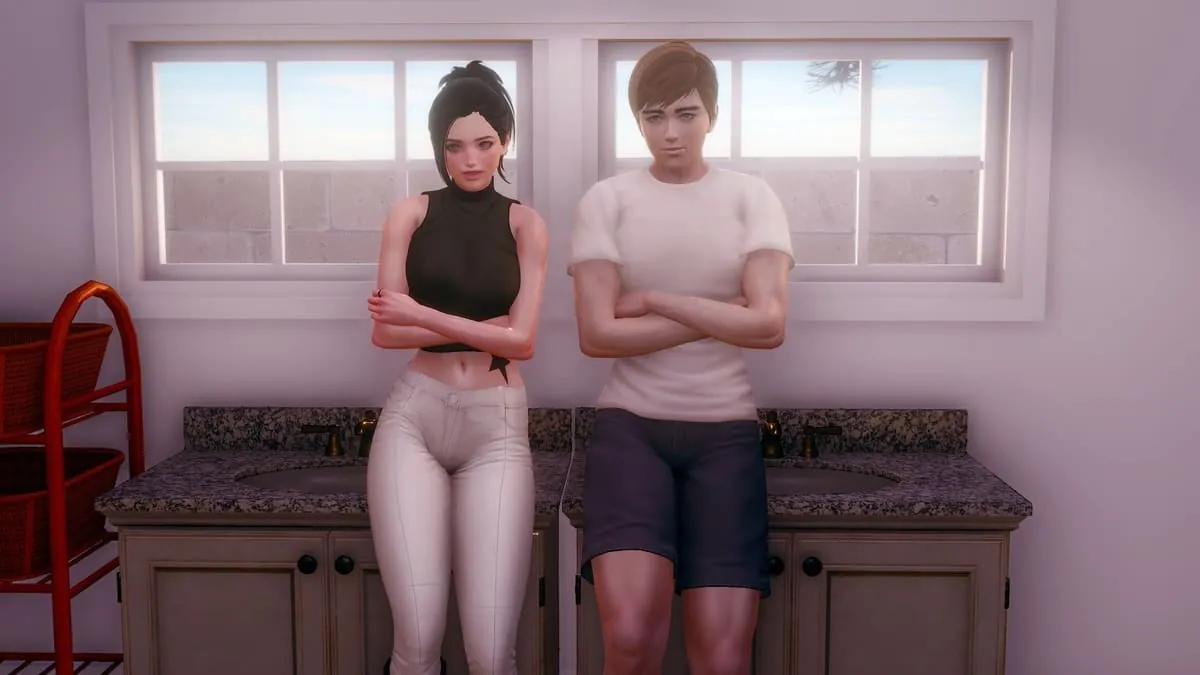
Furthermore, it embraces tonal range. One moment you’re in a tense, life-or-death firefight or negotiating with ruthless raiders, and the next, you might be sharing a surprisingly wholesome moment with your family at your home base, the Oasis. This includes optional, character-driven “harem” relaxation scenes that are less about conquest and more about connection and respite from the harsh world. It’s this balance—gritty action alongside genuine humanity—that makes the world feel alive and your role within it multifaceted.
Core Gameplay: Free Roam vs Linear Storytelling
The heartbeat of Desert Stalker gameplay is the elegant dance between two modes: the directed narrative and the open exploration. Understanding this flow is key to enjoying the game.
Think of it like this: The main story is a gripping TV series episode. It’s scripted, full of drama, key revelations, and major anti-hero RPG choices that shape your relationships and the political landscape. Will you be a protector, a dominator, or something in between? These sequences are on rails, and that’s their strength—they deliver a powerful, cohesive narrative punch.
Then, the episode ends, and you’re dropped back into your “life.” This is the Desert Stalker free roam mode. The map opens up. You can:
* Scout different zones for resources and Desert Stalker artifacts, which are crucial for progression and trade.
* Revisit locations to complete side quests or find hidden scenes.
* Return to the Oasis to interact with your family and other characters, triggering those quieter, character-building moments.
* Manage your inventory, use found artifacts, and prepare for the next story beat.
This structure eliminates filler. You explore because you want to see what’s over the next dune, not because you need to farm 10 wolf pelts. The artifacts you find aren’t just vendor trash; they’re pieces of the old world, often tied to lore, character upgrades, or special events.
To see how these elements work together, here’s a breakdown:
| Feature | Linear Storytelling | Free-Roam Exploration | Player Benefits |
|---|---|---|---|
| Primary Focus | Advancing the core narrative, major plot twists, and critical character decisions. | World exploration, resource/artifact gathering, and optional side content. | Enjoys a tight, well-paced story without sacrificing the joy of discovery. |
| Player Agency | High-impact narrative choices (e.g., spare or execute, ally or betray). | Complete freedom in where to go, what to collect, and when to engage with side characters. | Feels powerful in both story moments and during downtime, shaping the world and the Stalker’s life. |
| Content Type | Cinematic, high-stakes scenes with preset renders and outcomes based on choices. | Environmental exploration, inventory management, and triggerable relaxation/interaction scenes. | Provides variety, preventing gameplay from becoming monotonous. |
| Progression | Unlocks new story chapters and permanently alters relationship statuses. | Unlocks new areas on the map, provides artifacts for upgrades, and reveals character backstories. | Creates a tangible sense of growth both in the plot and in the protagonist’s capabilities and home. |
Customization Options for Your Perfect Playthrough
This is where Desert Stalker truly shines as an anti-hero RPG. Your playthrough is uniquely yours. The game provides the tools and the canvas, but you decide what kind of picture to paint. 🎨 This starts before you even click “New Game,” with thoughtful content filters that let you tailor the experience to your preferences.
Your first major customization is through your anti-hero RPG choices. The game never judges you for picking a ruthless path or a protective one. Want to be a hard-edged survivor who takes what he wants and dominates the wasteland? You can. Prefer to be a reluctant guardian, shielding the innocent and forging alliances through mercy? That’s equally valid. These aren’t simple “good vs. evil” picks; they’re complex decisions that ripple out, affecting who trusts you, what opportunities arise, and ultimately, which of the best Desert Stalker paths you unlock for your ending.
Finding the best Desert Stalker paths for you is about honesty in what you enjoy. Are you here for the dystopian adventure and lore? Focus on exploration, artifact hunting, and the main faction politics. More interested in the character dynamics and harem elements? Prioritize spending your free-roam time at the Oasis, completing character-specific quests, and choosing dialogue options that deepen those bonds. The beauty is that you can blend these approaches.
Let me describe a recent session of mine: After a tense linear chapter where I had to make a brutal call that angered a powerful faction, I was back in free roam. I decided to lay low and explore a ruined temple sector I’d previously ignored. The ambient music shifted to something mysterious and ancient. Clicking through the detailed renders, I found a hidden chamber not marked on my map—jackpot. Inside was a unique Desert Stalker artifact, a strange, glowing orb. This wasn’t just a checkmark; it triggered a mini-flashback scene, adding a piece to the world’s history, and it was a gift I knew a certain character back at the Oasis would love. One exploration loop gave me lore, a game mechanic item, and a relationship opportunity. That’s the Descent Stalker gameplay loop in a nutshell.
The final layer of customization is the visual and audio presentation itself. You can adjust the intensity of certain scenes, enjoy the breathtaking renders, and lose yourself in a soundtrack that perfectly captures the epic scope and intimate moments. The developer’s polish is evident in every pixel and note, making your personalized journey feel premium and cared for.
My Practical Tip for Starting: Don’t try to “win” or see everything in one go. Pick a role that feels natural and live in it. Save often in different slots, especially before free-roam sessions and big story choices. This isn’t a game you simply complete; it’s a world you experience, and the most rewarding moments come from committing to your Stalker’s personality.
In the end, what is Desert Stalker if not an invitation to immersive storytelling? It stands out by offering unparalleled agency in a breathtaking, deadly world. It proves that a post-apocalyptic visual novel can have both heart-pounding action and genuine heart, all wrapped in a package of incredible artistic polish. Whether you’re uncovering secrets in the sand or navigating the complex dynamics of your home, you are never just a passenger. You are the Stalker, and the desert awaits your legacy.
Your Desert Stalker Quick-Fire FAQ
How long is a typical playthrough?
This greatly depends on your style! A main-story-focused run can take several hours, but if you engage with all the Desert Stalker free roam exploration, side quests, and character events, you can easily double or triple that time. It’s built for replayability to see different choice outcomes.
Is there a grind or repetitive gameplay?
Absolutely not! 🙅♂️ This is a core strength. The Desert Stalker gameplay loop is about meaningful exploration and story. You explore to find specific artifacts or trigger scenes, not to mindlessly collect resources. The game respects your time.
What tools are used to create the visuals?
The game uses Daz3D for its character models and environments, which are then expertly posed, lit, and rendered to create the stunningly cinematic visuals. The result is a consistently high-quality and immersive visual style.
Do I need to focus on the “harem” elements to enjoy the game?
Not at all. While building relationships is a part of the world and offers character-driven scenes, the core appeal is the post-apocalyptic visual novel adventure. The main story of survival, faction conflict, and artifact hunting is completely engaging on its own. The optional filters let you customize this aspect to your taste.
Are choices really consequential?
Yes, significantly. Anti-hero RPG choices in major story moments can lock or unlock entire story branches, change how characters treat you permanently, and lead to vastly different endings. Your path through the desert is uniquely shaped by your decisions.
Desert Stalker masterfully blends post-apocalyptic survival, player-driven choices, and intimate relationships into an unforgettable experience. From scavenging ruins for powerful artifacts to building your harem or forging unlikely alliances, every decision shapes your gritty tale. I stayed up nights replaying paths, torn between domination and redemption—it’s that engaging. If you’re craving a visual novel with real stakes, emotional highs, and polished immersion, grab Desert Stalker now. Start your adventure, make bold moves, and see how you leave your mark on this wasteland. Your epic story awaits—what path will you choose?