
Companion of Darkness
Play Companion of Darkness
Companion of Darkness Screenshots



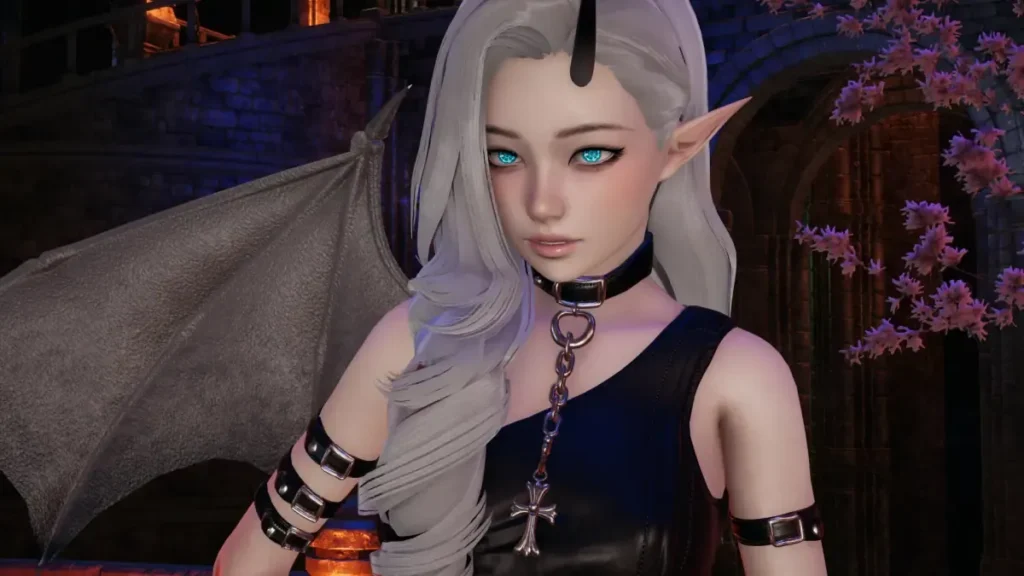
Companion of Darkness review
Explore the interactive narrative experience with complex factions and political intrigue
Companion of Darkness stands out as a captivating interactive game that combines rich storytelling with complex faction systems and engaging political intrigue. This interactive narrative experience offers players an immersive journey through a world filled with meaningful choices and intricate character relationships. Whether you’re new to the game or looking to deepen your understanding of its mechanics and lore, this guide provides essential insights into what makes Companion of Darkness a compelling gaming experience. Discover how the game’s unique approach to storytelling and player agency creates a memorable adventure.
Understanding Companion of Darkness: Core Gameplay and Mechanics
Forget everything you think you know about narrative games. 😮 You know the feeling: you’re presented with a big, dramatic choice, you agonize over it, only to find out it changes a single line of dialogue or leads you to the same cutscene as everyone else. It’s enough to make you wonder if your decisions really matter at all. I’ve been there, and I was ready to write off the genre until I plunged into the shadows of Companion of Darkness gameplay.
This isn’t just another choose-your-own-adventure. It’s a living, breathing political engine where every whispered secret, every forged alliance, and every broken promise is a brick in the path you’re building—or destroying. 🧱 The core of this experience is a interactive narrative game mechanics system so deep and reactive that you’ll spend hours after a session just thinking about what you could have done differently. The game’s genius lies in making you feel the weight of power, the sting of betrayal, and the thrill of a perfectly executed scheme, all through systems that put you in the director’s chair of your own political thriller.
### What Makes Companion of Darkness Unique? 🎭
At its heart, Companion of Darkness is a symphony of interconnected systems where story is gameplay. The traditional barriers between “dialogue section” and “action section” dissolve completely. Every conversation is a battlefield, every social gathering is an intelligence-gathering opportunity, and every faction missive is a potential weapon.
Pro Tip: Don’t rush through dialogues. The game’s character relationship mechanics are always listening. A casual compliment to one noble might be overheard as an insult by their rival, planting a seed of consequences that blooms hours later.
Here are the key pillars that define the Companion of Darkness gameplay experience:
- The Consequence Engine: Choices aren’t binary “good/evil” flags. They’re nuanced decisions that modify character dispositions, faction reputations, and world states in a massive, hidden web of cause and effect.
- Faction as Character: The major factions aren’t just groups you join; they are complex entities with their own goals, internal fractures, and memory. Your actions define their destiny as much as your own.
- Relationship-Driven Progression: Your combat strength, access to secrets, and political influence are often directly tied to the depth and nature of your bonds with other characters. You progress by connecting, not just by grinding.
- The “Echo” System: Major decisions create “Echoes”—persistent world-state changes that follow you across the entire game, ensuring no two stories are truly alike.
To give you a clearer picture of how these systems interact, let’s look at a typical gameplay scenario:
| Your Action | Immediate Reaction | Long-Term “Echo” | Systems Involved |
|---|---|---|---|
| Publicly support a faction heir during a succession crisis. | +25 reputation with the “Crimson Veil” faction. The heir thanks you privately. | The losing faction plots your downfall. New “agent” NPCs appear in hubs, sent to discredit you. The heir’s rule changes available quests in their territory. | Faction System, Character Relationship, Branching Storylines |
| Use a secret you learned about a companion to blackmail them for help. | They comply immediately, but their Trust meter plummets to “Resentful.” | They may betray you at a critical moment, leak your secrets to enemies, or become unavailable for their unique story mission, locking you out of content. | Character Relationship Mechanics, Consequence-Driven Narrative |
| Spy on a meeting between two rival guilds instead of interrupting. | You gain crucial intelligence on their secret alliance and weak points. | Unlocks new dialogue options to dismantle the alliance later. Creates a hidden “Informed” status that certain characters will recognize and respect (or fear). | Player Choice Systems, Political Intrigue, Interactive Narrative |
This seamless blend is what makes the Companion of Darkness gameplay loop so addictive. You’re not playing through a story; you’re engineering it from the inside out. 🔧
### Interactive Narrative and Player Choice Systems 🧭
If you’ve ever felt like a passenger in a game’s story, Companion of Darkness hands you the wheel, the map, and lets you choose whether to even use the roads. 🗺️ This is the pinnacle of player choice branching storylines. The game achieves this through what I like to call “The Ripple Design.”
There are no meaningless dialogue options. A simple question about the weather in a tense court setting might be seen as a calming gesture by one lord and a dismissive insult by another, depending on their personality and your past interactions. The game’s interactive narrative game mechanics track everything: tone, topic, past promises, and even who is within earshot.
My most memorable moment was during a treaty signing. I had spent hours building trust with the stoic general of the Solar Legion. In a private chat the night before, he confessed his distrust of the merchant guild’s envoy. During the public ceremony, I had a choice: endorse the guild’s terms (beneficial for my short-term goals) or subtly voice a concern that echoed the general’s sentiment. I chose the latter. The treaty still went through, but the general later pledged his personal guard to my cause—a military asset I never would have gotten otherwise. That single, quiet choice branched my entire military strategy.
This is the core of interactive game character development. Your character develops not through a linear skill tree, but through the reputation you carve into the world. Are you the Honest Broker, whose word is iron? The Silent Shadow, who knows all and reveals nothing? The game’s systems reflect this back at you. NPCs will reference your past deeds in conversation. Shopkeepers might offer you discounts or inflated prices based on your faction ties. This reactive world makes every Companion of Darkness story paths feel genuinely personal and earned.
The brilliance is in the balance. While you have staggering agency, the game isn’t a blank slate. It provides a strong, compelling premise and richly drawn characters with their own unwavering motives. Your power isn’t to change who they are, but to change how their stories intersect with yours. This creates a delicious tension between your agency and the world’s stubborn reality.
### Faction Dynamics and Political Intrigue ⚔️
Welcome to the real game. While your personal story is compelling, the faction system political intrigue is the vast, churning ocean upon which your ship sails. 🚢 This isn’t about picking a team and wearing their colors. It’s about navigating a landscape of shifting loyalties, hidden agendas, and proxy wars.
The major factions—like the mystic Order of the Eclipse, the mercantile Silverspur Syndicate, and the revolutionary Dawn’s Fire—are ecosystems. Each has internal factions: a hawkish wing, a diplomatic corps, idealists, and corrupt pragmatists. Gaining influence isn’t just about doing quests for the faction leader. It’s about deciding which part of the faction you empower through your actions. Do you help the Syndicate’s idealists reform their practices, or empower the ruthless smugglers to increase their profits? Your choice will reshape the faction’s behavior on the global stage.
The political intrigue manifests in endless, thrilling ways. You’ll intercept coded letters, decode them with skills you’ve invested in (or with the help of a companion who trusts you), and use the information to sabotage a trade deal or warn an ally of an impending arrest. You might plant evidence to turn two factions against each other, saving your resources, or broker a fragile peace that requires you to constantly maintain balance. The faction system political intrigue is a puzzle you solve not with a lockpick, but with whispers, alliances, and timely betrayals.
I learned this the hard way. In my first playthrough, I tried to be friends with everyone. I did favors for the Order and the Syndicate, thinking I could bridge their ideological gap. The game’s systems saw this not as diplomacy, but as duplicity. Both factions eventually labeled me an unreliable opportunist. I was locked out of their inner circles, their best quests, and their unique rewards. My “perfect” playthrough was, in fact, a failure of political understanding. It was a harsh but brilliant lesson: in the world of Companion of Darkness, neutrality is a stance that has its own severe consequences. 😅
This dense web ensures massive replay value. One Companion of Darkness story paths might see you as the Syndicate’s puppet master, controlling the realm’s economy. Another might see you as the champion who united the Dawn’s Fire and the common folk to overthrow the entrenched powers. The Companion of Darkness gameplay truly begins when you realize you’re not just playing a character in a political world—you are a political force yourself.
FAQ: Navigating the Shadows 🕯️
Q: How long is a single playthrough, and is replaying really that different?
A: A thorough first playthrough can easily take 40-50 hours if you engage with the depth of the systems. Replays are fundamentally different. With new faction allegiances, different companion relationships, and access to whole questlines and areas that were previously locked, a second run can feel like a 70% new game. The player choice branching storylines are that extensive.
Q: Can I “fail” or get locked into a bad story path?
A: You can’t fail in a traditional “Game Over” sense, but you can absolutely create a narrative that feels like a tragedy or a dead end. The game is about consequences, not corrections. A series of poor diplomatic choices might leave you isolated and hated, forcing you to survive as a lone wolf in a hostile world. This is a valid, if challenging, Companion of Darkness story paths.
Q: Are the character relationships just about romance?
A: Absolutely not! Romance is a small, optional part of a much larger system. The character relationship mechanics are about building Trust, Respect, Fear, or Leverage. A companion who Respects you will follow you into a fair fight. One who Fears you will obey under threat. One you have Leverage over might betray you the moment they can clear their debt. These dynamics directly affect combat performance, quest availability, and the advice they give you.
Q: Is the game all dialogue and politics, or is there action?
A: There is action, but it is contextual. Combat, chases, and heists are major set pieces that occur as direct results of your political and social maneuvering. The fight happens because you exposed a conspiracy, not just because you walked into a dungeon. The Companion of Darkness gameplay makes the action feel earned and narratively vital.
Q: How do I keep track of all the plots and schemes?
A: The game provides a brilliant “Web of Intrigue” menu in your journal. It visually maps known connections between characters, factions, and plots based on what you’ve discovered. It doesn’t give you answers, but it helps you see the connections your choices can manipulate. Using this tool is key to mastering the faction system political intrigue.
Companion of Darkness delivers a compelling interactive experience that prioritizes narrative depth and player agency. The game’s intricate faction system, political intrigue, and consequence-driven storytelling create an engaging world where your choices genuinely matter. With its beautiful character models, immersive animations, and complex plot structure, the game offers a unique adventure for players seeking meaningful interactive narratives. Whether you’re drawn to the political elements, character relationships, or the overall world-building, Companion of Darkness provides an experience that rewards exploration and multiple playthroughs. Start your journey today and discover how your choices shape the story.