City of Broken Dreamers
Play City of Broken Dreamers
City of Broken Dreamers Screenshots















City of Broken Dreamers review
Explore the story, mechanics, and features of this acclaimed narrative-driven experience
City of Broken Dreamers stands out as a narrative-driven interactive experience that combines compelling storytelling with immersive character dynamics. Players assume the role of Ghost, an elite bounty hunter navigating a complex world filled with moral ambiguity and personal demons. This guide explores what makes City of Broken Dreamers a standout title, from its intricate relationship system to its visually stunning environments. Whether you’re interested in the branching narrative paths, character interactions, or the game’s unique stat mechanics, this comprehensive overview covers everything you need to know about this acclaimed experience.
Understanding City of Broken Dreamers: Core Gameplay & Story
So you’ve booted up City of Broken Dreamers, the rain is slick on neon-lit streets, and you’re staring down the barrel of a cyberpunk narrative that’s as deep as it is dark. 🎮 Where do you even begin? I remember my first playthrough—I was so focused on the main mission I completely missed the subtle dance of character connection, and my Ghost ended up a lonely, angry mess by the end. It was a powerful story, but it wasn’t my story.
That’s the magic of this game. The City of Broken Dreamers gameplay isn’t about reflexes or loot; it’s about the choices you make in conversation and the relationships you nurture or burn. This guide is here to pull back the curtain on those systems, so you can craft an experience that truly feels personal. Let’s dive into the core of what makes this visual novel a masterpiece of interactive storytelling. 🤖
What is City of Broken Dreamers and Who is the Protagonist?
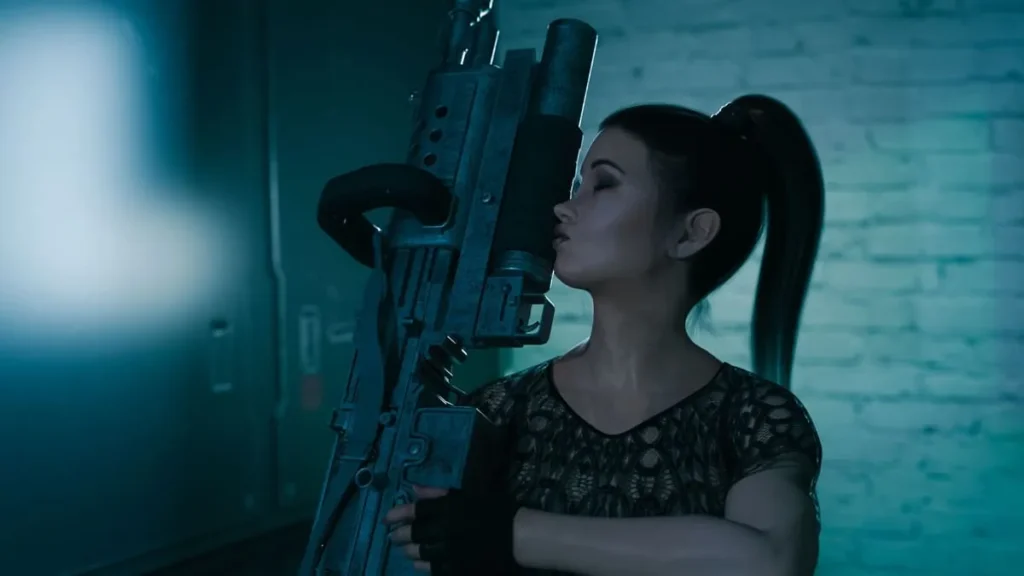
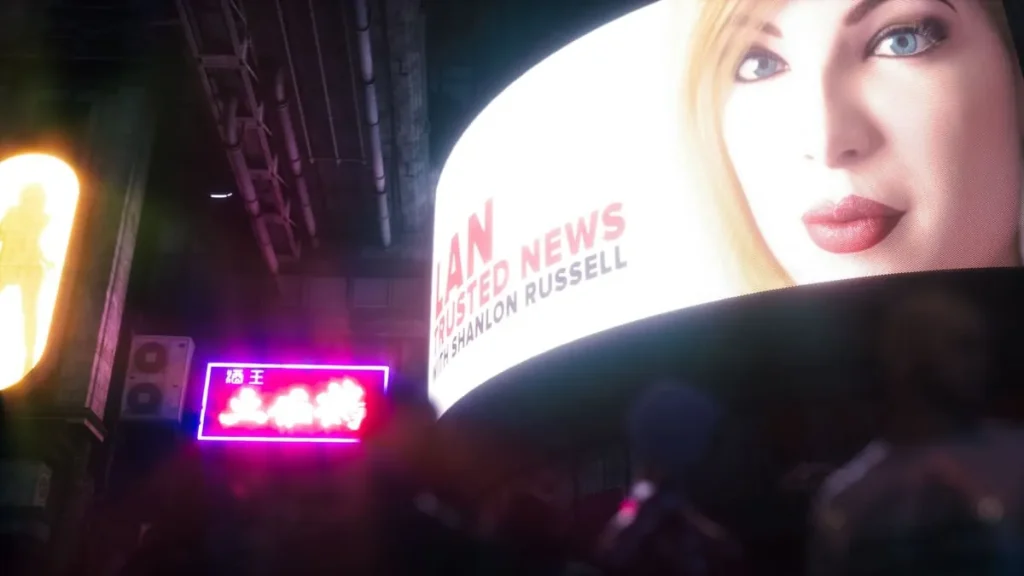
At its heart, City of Broken Dreamers is a gritty, narrative-driven adventure set in a dystopian Los Angeles of the future. Think Blade Runner’s atmosphere meets a hard-boiled detective thriller, where every shadow holds a secret and every smile might hide a knife. The City of Broken Dreamers story is a web of corporate espionage, conspiracy, and deeply personal trauma, and you’re right at the center of the storm.
You step into the worn-out boots of a man known only as Ghost, the quintessential Ghost protagonist bounty hunter. He’s not a hero in a shiny cape; he’s a weathered professional, one of the best in the biz, operating in the legal gray areas for clients with deep pockets and dubious morals. Ghost is a tool, for hire to the highest bidder, and he’s built a reputation on getting the job done, no questions asked—until now.
His latest contract seems straightforward: find a missing young woman. But this is where the City of Broken Dreamers gameplay truly begins, because this girl isn’t just another target. She’s the key to a secret so dangerous it forces Ghost to face the ghosts of his own past (pun somewhat intended 😉). This mission becomes a personal quest, blurring the lines between the hunter and the hunted. As the Ghost protagonist bounty hunter, you’ll navigate this morally complex world, deciding whether to stick to the cold, professional code or let buried humanity—and rage—bubble to the surface.
Tip: Don’t rush the main plot. Some of the best world-building and character development in the City of Broken Dreamers story happens in optional scenes and side conversations. Talk to everyone, and revisit locations after key events.
The game masterfully uses its cyberpunk setting not just as a backdrop, but as a character itself. The oppressive cityscape mirrors Ghost’s internal struggle, making every dialogue choice feel heavy with consequence. This connection between the outer world and your inner state is what sets the stage for the game’s brilliant mechanical systems.
How Do Relationship Mechanics Shape Your Experience?
This is where City of Broken Dreamers separates itself from a simple “choose your own adventure.” The relationship mechanics character interaction are the soul of the game. Every significant character, especially the women Ghost meets, has a dynamic, evolving relationship with you based entirely on your character dialogue choices.
Here’s the breakdown: each character has two key metrics tracked behind the scenes.
- Relationship Score: This is the classic measure of affinity. Are you kind, supportive, and trustworthy? Do you help them with their problems? This score opens up deeper conversations, romantic paths, and crucial alliances. A high relationship score might mean someone risks their life to give you vital information or stands by you in a fight.
- The Lust Value System: 🫦 This is the more controversial, but integral, mechanic. Separate from emotional connection, the lust value system tracks physical attraction and desire. Certain flirtatious or intimate character dialogue choices will raise this value for specific characters. Reaching key lust thresholds unlocks special scenes and can sometimes open alternative paths or insights into a character, but it doesn’t necessarily mean a deeper emotional bond. You can have a high lust value with a low relationship score, leading to purely physical interactions fraught with tension.
The genius is how these systems intertwine. You can pursue a pure romantic route by focusing on the relationship score, a purely physical one via the lust value system, or a complex mix of both. Your approach to the relationship mechanics character interaction defines who Ghost is in this world. Is he a compassionate protector, a cynical seducer, or a lonely man seeking genuine connection amidst the chaos?
I learned this the hard way with the character Ellen. In one playthrough, I pursued a high lust path, thinking it was the “fastest” route to an alliance. I got the scenes, sure, but when the story hit a critical emotional crisis, she had no real trust in me. My Ghost was just another user in her eyes. On a later run, I prioritized her relationship score through supportive talks, and the payoff was a far more powerful and narratively satisfying partnership.
To visualize how these choices branch out, here’s a look at how interacting with key characters can affect your journey:
| Character | Primary Relationship Path | Lust Path Influence | Key Gameplay Outcome Example |
|---|---|---|---|
| Katie | Protector / Mentor. Built on trust and easing her trauma. | Can create a confused dependency; alters the tone of safe moments. | High relationship may give you critical info she withholds otherwise. High lust may lead to her making a risky, emotionally-charged decision. |
| Chandra | Professional Rivalry / Reluctant Alliance. Based on mutual respect. | Adds a layer of dangerous tension and potential betrayal. | Maximizing relationship can turn her into a steadfast ally in the finale. Pursuing only lust may result in a strategic double-cross. |
| Abby | Emotional Sanctuary. A connection to a simpler, kinder world. | Feels incongruent and can damage the genuine bond. | High relationship provides unique healing scenes that reduce negative stats. Lust choices often lock out the most meaningful dialogues with her. |
| Victoria | Power Dynamics & Manipulation. A high-stakes game of influence. | Is often the expected currency of interaction; directly tied to plot progression. | Managing both scores is key. Lust may grant immediate access, but relationship determines whose side she’s on when the veil drops. |
This intricate web of relationship mechanics character interaction ensures that no two players have the exact same experience. Your Ghost is uniquely yours.
Exploring the Hidden Anger Stat System
While you’re managing relationships and lust, there’s another, quieter force simmering beneath the surface: the hidden anger stat. This is the game’s stroke of psychological brilliance. 🧠 Unlike the visible relationship scores, this stat is completely concealed from the player. It represents Ghost’s buried trauma, his frustration with the city, and his dwindling patience.
The hidden anger stat passively influences your available character dialogue choices and can trigger automatic reactions in certain tense situations. It’s shaped by:
* Your choices in key story moments (e.g., opting for violent solutions over diplomatic ones).
* How you handle personal provocations and insults.
* Failing to find peaceful resolutions or experiencing betrayal.
* Certain background events in the City of Broken Dreamers story that weigh on Ghost.
A low anger stat keeps Ghost cool and collected, often unlocking calm, analytical, or empathetic dialogue options. A high hidden anger stat will start to color his worldview. You might find formerly available polite choices greyed out, replaced with sarcastic, aggressive, or outright hostile responses. Ghost might snap at someone without you choosing to, because internally, he’s reached his breaking point.
Real Example: In a mid-game scene, you’re interrogating a low-level informant in a bar. He’s scared and holding back.
* With a Low Hidden Anger Stat, your character dialogue choices might include: [Calmly reassure] “Just talk, and you walk out of here.” or [Offer a Deal] “I can make your problem disappear. For a price.”
* With a High Hidden Anger Stat, those cooler options might vanish. Instead, you see: [Grab his collar] “Stop wasting my time!” or [Slam his head on the table] “You think this is a game?!” Choosing the violent option will further increase the anger stat, creating a feedback loop.
This system is what gives the City of Broken Dreamers gameplay its incredible emotional depth. You’re not just deciding what Ghost says; you’re shaping who he is at a fundamental level. Are you managing his trauma, or are you letting it consume him? I once did a “rage” playthrough, always picking the most aggressive option. By the final chapter, my Ghost was a hair-trigger brute, alienating allies and barreling through problems with fury. The ending I got was cathartic but deeply tragic, a direct result of that unchecked hidden anger stat.
Balancing this hidden metric with the visible relationship mechanics character interaction is the ultimate player skill. Can you pursue justice without succumbing to rage? Can you navigate the seductive lust value system without losing sight of genuine connection? This interplay is the core of the City of Broken Dreamers experience.
Ultimately, understanding these systems—the role of the Ghost protagonist bounty hunter, the nuanced relationship mechanics character interaction, the strategic lust value system, and the psychological hidden anger stat—transforms how you engage with the City of Broken Dreamers story. It stops being a story you watch and becomes a life you inhabit, one fraught with meaningful character dialogue choices that resonate long after the credits roll. Your journey through this stunning, broken city awaits. Make it count. ✨
City of Broken Dreamers represents a thoughtfully crafted experience that successfully merges compelling narrative with technical excellence. The game’s strength lies in its ability to engage players through meaningful character relationships, a hidden stat system that rewards varied playstyles, and a story that balances action with emotional depth. The visual presentation, from meticulously designed environments to expertly animated sequences, elevates the overall experience and demonstrates genuine care in production. Whether you’re drawn to narrative-driven games, character-focused storytelling, or simply seeking an experience that respects player agency and choice, City of Broken Dreamers delivers on multiple fronts. The game’s pacing keeps engagement high while avoiding filler content, and the relationship mechanics ensure that your approach to characters meaningfully impacts your experience. For those considering whether to invest time in this title, the consensus among players is clear: the comprehensive content, production quality, and narrative depth make it a worthwhile experience that justifies its value.